
If you’ve ever typed a question into Google and clicked on one of the first results, you’ve already experienced the power of SEO in action. But what is SEO, exactly, and why does it matter so much for websites, businesses, and content creators? In this guide, we’ll break it all down in a way that’s easy to understand — no technical jargon required.
SEO Definition: What Does SEO Stand For?
SEO stands for Search Engine Optimization. It is the practice of improving a website’s visibility on search engines like Google, Bing, and Yahoo so that it appears higher in organic (non-paid) search results. The higher your page ranks, the more likely people are to find and visit your website.
Think of search engines as massive digital libraries. When someone searches for information, the search engine scans billions of pages and decides which ones are most relevant and trustworthy. SEO is how you communicate to those search engines that your content deserves to be at the top of the list.
How Do Search Engines Work?
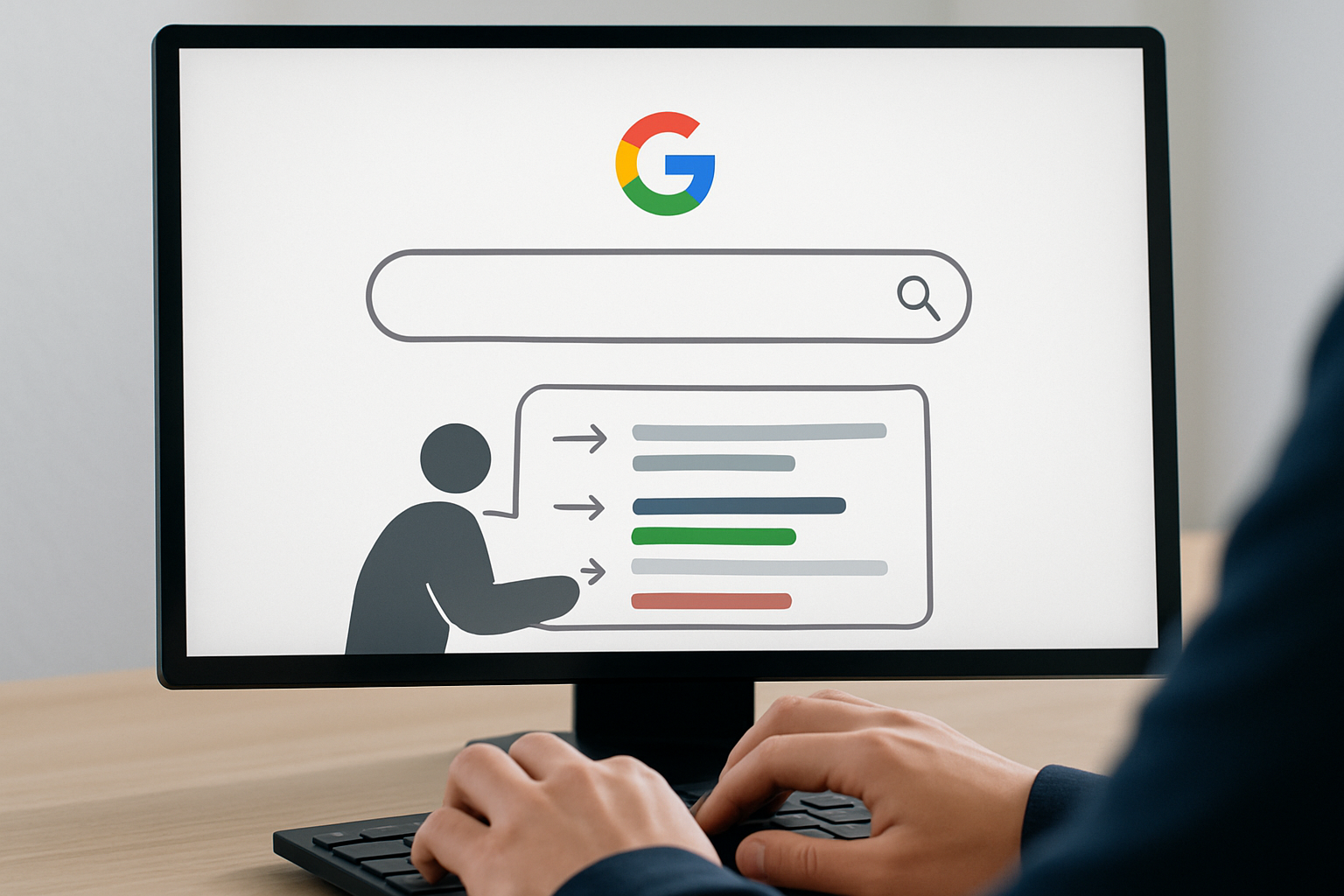
Before diving deeper into SEO, it helps to understand what’s happening behind the scenes when you perform a search. Search engines follow a three-step process:
- Crawling: Search engines use automated bots, often called “spiders” or “crawlers,” to browse the web and discover new or updated pages.
- Indexing: Once a page is crawled, it gets stored in a massive database called the index. This is the library of all pages the search engine knows about.
- Ranking: When a user types a search query, the search engine analyzes its index and ranks the most relevant, high-quality pages at the top of the results.
SEO helps ensure your pages are properly crawled, accurately indexed, and ranked as highly as possible for your target keywords.
Why Is SEO Important?
You might be wondering — can’t you just pay for ads instead? While paid advertising certainly has its place, SEO offers some unique and powerful advantages:
- Long-term visibility: A well-optimized page can bring in traffic for months or even years without ongoing costs.
- Trust and credibility: Users tend to trust organic results more than paid advertisements.
- Cost-effectiveness: Unlike pay-per-click ads, organic traffic doesn’t cost you every time someone clicks.
- Better user experience: Good SEO practices naturally improve how easy and enjoyable your website is to use.
- Competitive advantage: Businesses that invest in SEO consistently outperform competitors who ignore it.
According to research, over 53% of all website traffic comes from organic search. That’s a massive audience you could be missing out on without a solid SEO strategy.
The Main Types of SEO
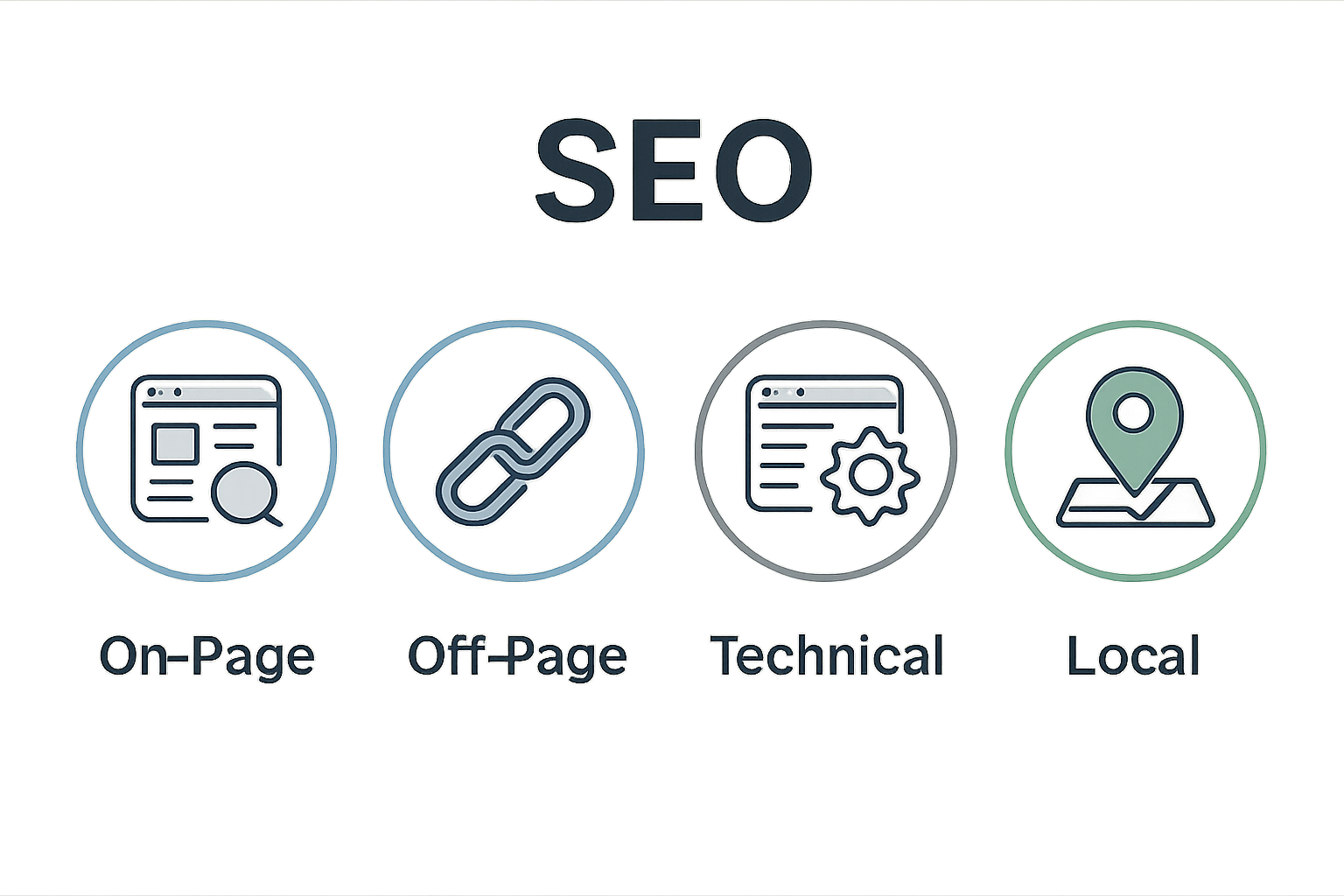
SEO isn’t just one single thing — it’s an umbrella term that covers several different strategies and techniques. Here are the main categories you should know:
1. On-Page SEO
On-page SEO refers to everything you do directly on your website to improve its rankings. This includes optimizing your content, headings, meta descriptions, image alt text, and internal links. The goal is to make sure both users and search engines clearly understand what each page is about.
2. Off-Page SEO
Off-page SEO involves actions taken outside of your own website to build its authority and reputation. The most well-known off-page tactic is link building — earning links from other reputable websites that point back to yours. These backlinks act like votes of confidence in the eyes of search engines.
3. Technical SEO
Technical SEO focuses on the behind-the-scenes elements of your website that affect how search engines crawl and index it. This includes site speed, mobile-friendliness, secure connections (HTTPS), structured data, and clean URL structures.
4. Local SEO
Local SEO is especially important for brick-and-mortar businesses. It helps your business show up in local search results and on Google Maps when nearby customers are searching for products or services you offer.
Key SEO Concepts You Should Know
Whether you’re brand new to SEO or just refreshing your knowledge, these are the core concepts that form the foundation of any successful strategy:
- Keywords: The words and phrases people type into search engines. Great SEO starts with understanding which keywords your target audience is using.
- Search Intent: The reason behind a search query. Are users looking to learn, buy, or find a specific website? Your content should match their intent.
- Content Quality: Search engines reward content that is genuinely helpful, accurate, well-written, and comprehensive.
- Backlinks: Links from other websites to yours. High-quality backlinks remain one of the strongest ranking signals.
- Page Experience: Google considers how users experience your pages, including loading speed, interactivity, and visual stability.
- E-E-A-T: Stands for Experience, Expertise, Authoritativeness, and Trustworthiness — a framework Google uses to evaluate content quality.
How to Get Started With SEO
If you’re ready to start optimizing, here’s a simple roadmap to follow:
- Do keyword research: Use tools like Google Keyword Planner, Ahrefs, or Ubersuggest to find relevant keywords with good search volume.
- Create high-quality content: Write content that truly answers your audience’s questions better than anyone else.
- Optimize your pages: Include your target keyword in the title, headings, meta description, and naturally throughout the body text.
- Improve your site’s technical health: Make sure your website loads fast, works on mobile devices, and is easy to navigate.
- Build backlinks: Reach out to other websites, write guest posts, and create shareable content to earn valuable links.
- Track your progress: Use tools like Google Search Console and Google Analytics to monitor your rankings and traffic.
SEO Is a Long-Term Investment
One of the most important things to understand about SEO is that it takes time. Unlike paid ads that deliver immediate results, SEO is a marathon, not a sprint. Most websites begin to see meaningful improvements within three to six months of consistent effort. But the payoff — sustainable, compounding organic traffic — is absolutely worth it.
Whether you’re a blogger, a small business owner, or a large corporation, understanding and applying SEO fundamentals can transform your online presence. Start small, stay consistent, and watch your visibility grow.
[FAQ_START]
Frequently Asked Questions About SEO
What is SEO in simple terms?
SEO, or Search Engine Optimization, is the process of improving your website so it appears higher in search engine results pages like Google. The higher you rank, the more people can find your site organically — without you paying for ads.
How long does SEO take to show results?
SEO is a long-term strategy. Most websites start seeing noticeable improvements within 3 to 6 months, though it can take up to a year to achieve highly competitive rankings. The timeline depends on your niche, competition level, and consistency of effort.
Is SEO free?
The traffic you earn through organic SEO is free — you don’t pay per click like you do with ads. However, SEO does require an investment of time, effort, and sometimes money for tools, content creation, or hiring an SEO specialist.
What’s the difference between SEO and SEM?
SEO focuses on earning organic (unpaid) traffic through optimization, while SEM (Search Engine Marketing) typically refers to paid search strategies like Google Ads. Many businesses use both together for maximum visibility.
Do I need an expert to do SEO?
Not necessarily. Many basic SEO practices can be learned and applied by beginners. However, for more competitive industries or complex technical issues, working with an experienced SEO professional can save time and deliver faster, more impactful results.
What is the most important factor in SEO?
While SEO involves many factors, high-quality, relevant content and authoritative backlinks are consistently considered among the most important ranking signals. A great user experience and strong technical foundation also play critical roles.
[FAQ_END]