
Improving your website ranking is one of the most valuable investments you can make for your business in 2026. Higher rankings mean more visibility, more organic traffic, and ultimately more revenue — without paying for every single click. Whether you are just getting started or looking to sharpen an existing strategy, this guide walks you through exactly what works today.
What Does Website Ranking Actually Mean?
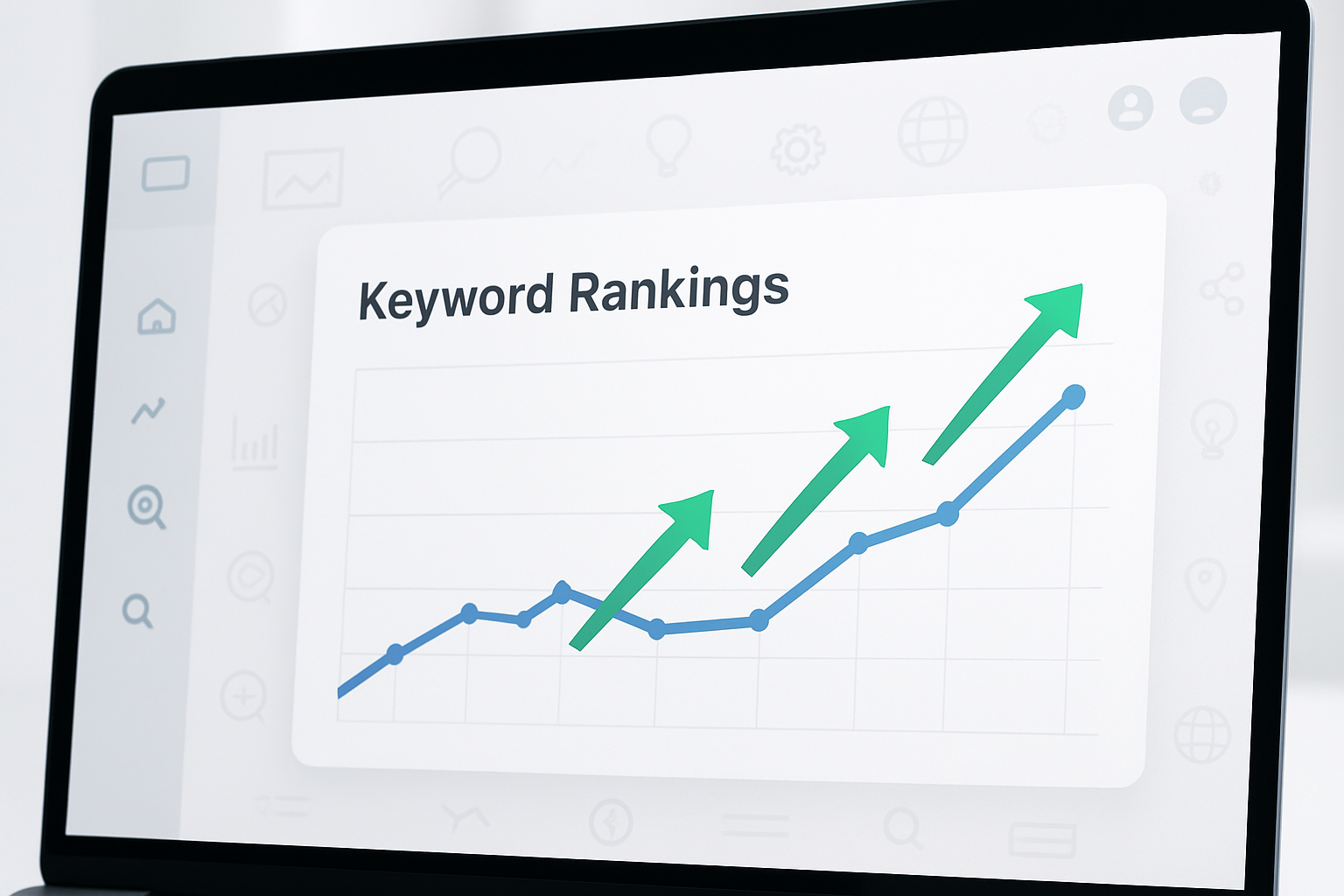
Website ranking is defined as the position your web page holds on a search engine results page (SERP) for a specific keyword or search query. The higher your ranking, the more likely users are to find and visit your site. A page ranked number one receives significantly more clicks than any other position on the page.
Studies show that the first organic result on Google earns an average click-through rate of 27.6%, while the tenth result earns less than 2.5%. This dramatic difference makes ranking improvement not just a technical goal, but a genuine business priority. Understanding how rankings work is the foundation of any successful SEO strategy.
Search engines like Google use complex algorithms with hundreds of ranking signals to determine which pages deserve the top spots. These signals include content quality, backlink authority, page speed, user experience, and much more. If you are new to this topic, our article on what SEO is and how it drives organic traffic gives you a strong starting foundation before diving deeper.
Why Does On-Page SEO Matter for Ranking?
On-page SEO is defined as the practice of optimizing individual web pages to rank higher and earn more relevant traffic from search engines. It includes everything you control directly on your own website, from your content and headings to your meta tags and internal linking. Getting on-page SEO right is one of the fastest ways to improve website ranking without waiting months for backlinks to accumulate.
How Should You Optimize Your Content for Search Engines?
The best way to optimize content is to focus on answering the searcher’s intent thoroughly and naturally. Every page on your site should target a specific keyword or topic cluster, and that keyword should appear in your title tag, H1, first paragraph, at least one subheading, and throughout the body naturally. Avoid keyword stuffing — Google’s algorithm is sophisticated enough to reward relevance over repetition.
- Place your primary keyword in the page title, H1 heading, and meta description
- Use related keywords and synonyms throughout the body content
- Write content that thoroughly answers the user’s question
- Use clear subheadings (H2, H3) to organize your content logically
- Include internal links to related pages on your site
- Add descriptive alt text to all images
How Long Should Your Content Be?
Content length is not a ranking factor on its own, but depth and comprehensiveness are. Research published in 2025 by content analytics researchers found that top-ranking pages for competitive keywords averaged 1,800 to 2,500 words. However, a focused 800-word article that fully answers a specific question can outrank a bloated 3,000-word article that rambles without purpose.
The key is to write content that is as long as it needs to be to satisfy the reader. Cover the topic completely, include examples, answer follow-up questions, and use structured formatting to make scanning easy. Quality always wins over quantity in modern SEO.
How Do Backlinks Help You Improve Website Ranking?
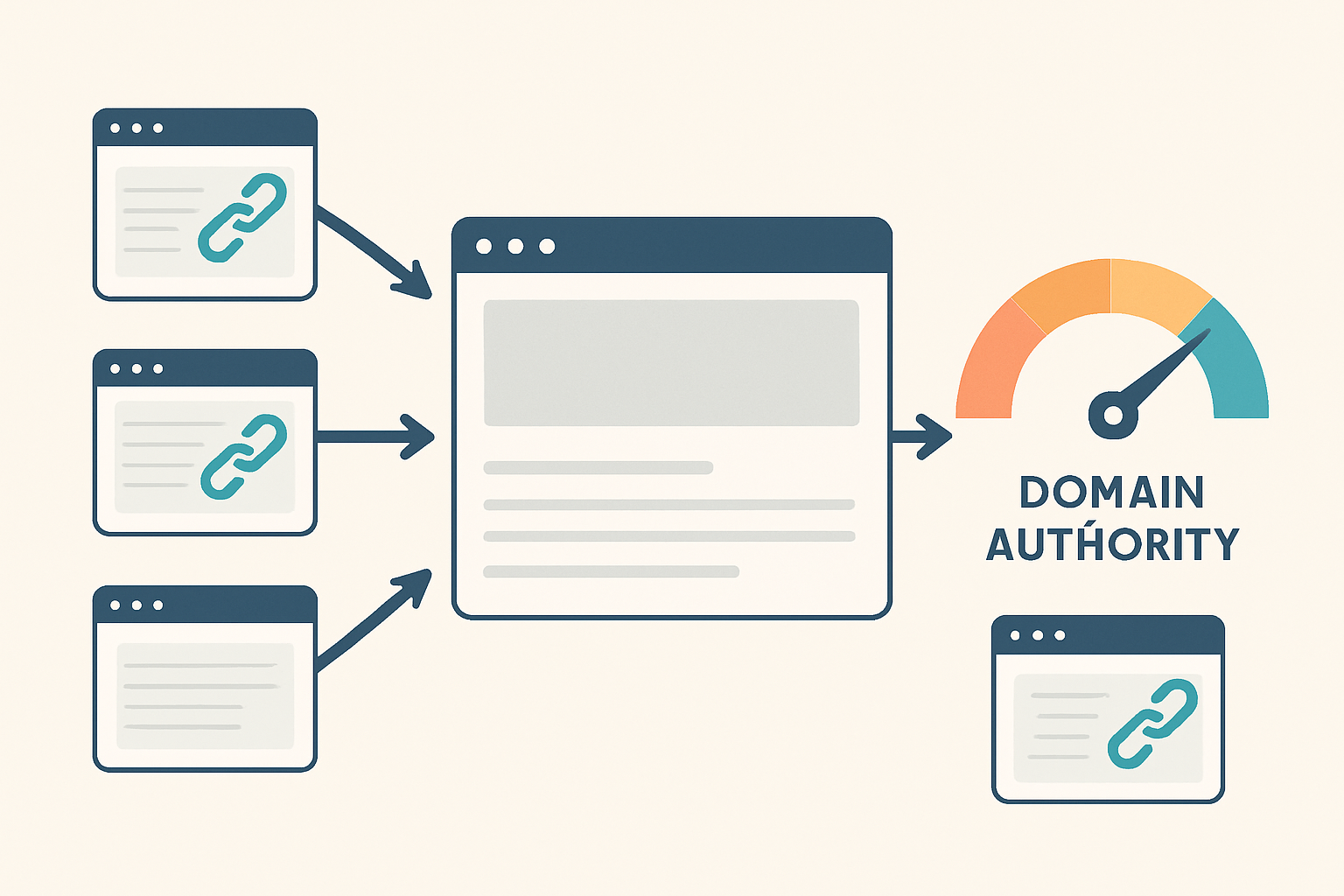
Backlinks are defined as links from external websites that point to pages on your site, signaling to search engines that your content is trustworthy and authoritative. Google has confirmed that backlinks remain one of its top three ranking factors even in 2026. Earning high-quality backlinks from reputable websites in your industry can dramatically accelerate your ranking improvements.
Studies show that pages ranking in position one have an average of 3.8 times more backlinks than pages ranking in positions two through ten. This statistic highlights how important link building remains even as SEO continues to evolve. You do not need thousands of links — you need the right links from relevant, authoritative sources.
What Are the Most Effective Ways to Build Backlinks?
- Create original research or data: Publishing unique statistics, surveys, or case studies gives other websites a reason to link to you as a source.
- Guest posting: Writing articles for reputable websites in your niche builds authority and earns relevant links back to your site.
- Digital PR: Getting your brand featured in news articles, podcasts, or industry publications naturally generates high-authority backlinks.
- Link reclamation: Find unlinked mentions of your brand online and reach out to request that the mention be turned into an actual link.
- Broken link building: Identify broken links on authoritative sites in your niche and offer your content as a replacement.
Building backlinks takes time and consistency, but the long-term ranking benefits are substantial. Even earning five to ten high-quality links per month from relevant websites will compound into significant ranking improvements over time.
How Does Technical SEO Affect Your Search Rankings?
Technical SEO is defined as the process of optimizing your website’s infrastructure so search engines can crawl, index, and understand your content efficiently. Even the best content will struggle to rank if technical issues prevent Google from properly accessing your site. Addressing technical SEO is a non-negotiable step if you are serious about improving your website ranking.
What Technical SEO Issues Should You Fix First?
The most impactful technical SEO improvements to prioritize include page speed, mobile-friendliness, and proper indexing. Google’s Core Web Vitals — which measure loading performance, interactivity, and visual stability — are confirmed ranking signals that directly impact your position in search results. A page that loads in under 2.5 seconds has a measurably lower bounce rate than one that takes 5 seconds or more.
- Page Speed: Compress images, use a content delivery network (CDN), and minimize unnecessary scripts to improve load times
- Mobile Optimization: Google uses mobile-first indexing, meaning it ranks your site based on the mobile version of your content
- HTTPS Security: Ensure your site has a valid SSL certificate, as Google treats HTTPS as a trust signal
- Crawlability: Submit an XML sitemap to Google Search Console and fix any crawl errors or broken internal links
- Structured Data: Implement schema markup to help Google understand your content and potentially earn rich results in SERPs
- Canonical Tags: Use canonical tags to prevent duplicate content issues from harming your rankings
Running a regular technical audit of your website helps you catch and fix issues before they negatively impact your rankings. Many site owners ignore technical SEO and wonder why their content is not performing — often, the answer is hidden in their site’s code and structure.
Why Is User Experience a Critical Ranking Factor?
User experience (UX) is defined as the overall experience a visitor has when interacting with your website, including how easy it is to navigate, how fast pages load, and how satisfying the content is. Google measures UX through behavioral signals like bounce rate, dwell time, and pages per session. A website that keeps visitors engaged sends positive signals to search engines that the content is valuable and worthy of higher rankings.
The best way to improve user experience is to design your website with the visitor’s journey in mind, not just your own preferences. Clear navigation, readable fonts, logical content structure, and fast page speeds all contribute to a positive UX. When users stay on your site longer and visit more pages, Google interprets this as a sign that your site deserves more visibility.
How Do You Reduce Bounce Rate and Improve Engagement?
- Match your content directly to the intent behind the keywords you target
- Use compelling introductions that immediately confirm the user has found what they need
- Break up long text with subheadings, bullet points, and images
- Include internal links to related content to encourage deeper exploration
- Ensure your calls to action are clear and relevant to what the user is seeking
How Can AI and Modern SEO Tools Help You Rank Faster?
AI-powered SEO tools have fundamentally changed how businesses approach ranking improvement in 2026. Where traditional SEO tools once required hours of manual data analysis and guesswork, modern AI platforms can identify keyword opportunities, audit content gaps, track ranking changes, and generate optimization recommendations in minutes. This speed advantage gives businesses that embrace AI a significant competitive edge.
X is the gap that separates teams using legacy platforms from those using intelligent, automated SEO solutions — and that gap is widening every month. If you want to understand how AI is reshaping content and SEO strategy, our guide on how to use AI to write SEO articles for your business is an excellent next step. AI does not replace good strategy — it amplifies it.
What Should You Look for in an SEO Platform?
The best SEO platforms in 2026 combine keyword research, rank tracking, content optimization, and technical auditing in a single unified interface. You should look for tools that provide actionable recommendations rather than just raw data, because data without context does not improve rankings. Automation features that handle repetitive tasks like daily rank tracking and crawl monitoring are especially valuable for growing teams.
- Integrated keyword research and content gap analysis
- Automated rank tracking with trend visualization
- AI-generated content recommendations and optimization scoring
- Technical SEO audit with prioritized fix recommendations
- Backlink monitoring and link-building opportunity discovery
- Scalable pricing that fits small businesses and enterprise teams alike
For businesses that want a smarter, more affordable alternative to bloated legacy platforms, our article on affordable SaaS SEO solutions for digital marketing teams explores exactly what to look for in a modern platform.
What Is the Role of Content Strategy in Long-Term Ranking Success?
Content strategy is defined as a planned approach to creating, publishing, and managing content that aligns with both your audience’s needs and your SEO goals. Without a content strategy, most websites publish inconsistently and fail to build the topical authority that Google rewards with sustained rankings. A well-executed content strategy compounds over time, with each new article reinforcing the authority of the ones that came before it.
Building topical authority means covering a subject area comprehensively across multiple interlinked articles, demonstrating to search engines that your site is the definitive resource on that topic. For example, a business blog that covers SEO basics, keyword research, link building, and technical SEO — and links these articles together — will outrank a site that publishes one isolated article per topic. Consistency and interconnectedness are the keys to content-driven ranking growth.
How Often Should You Publish New Content?
Publishing frequency matters less than publishing quality and consistency. A schedule of two to four well-researched, thoroughly optimized articles per month will outperform publishing ten thin, low-effort articles every week. What matters most is that every piece of content you publish genuinely serves your target audience and targets a specific, achievable keyword opportunity.
Updating existing content is also a powerful and underutilized ranking strategy. Refreshing articles with new data, improved formatting, and expanded information can cause previously stagnant pages to jump significantly in rankings. Google’s algorithm rewards freshness, especially for topics where information changes regularly.

How Do You Monitor and Track Your Ranking Progress?
Tracking your rankings is essential for understanding what is working and where to focus your optimization efforts. Without consistent monitoring, you cannot identify ranking drops before they cost you significant traffic, and you cannot recognize which strategies are delivering results. Modern rank tracking tools provide daily position updates, historical trend data, and competitor visibility insights all in one place.
Key metrics to track when monitoring your website ranking improvement include organic keyword positions, organic traffic volume, click-through rate from search results, and the number of keywords ranking in the top ten positions. These numbers tell a holistic story about your SEO health over time. Our detailed guide on AI keyword tracking and organic visibility explains how to set up automated monitoring that saves time and surfaces insights faster.
Pro Tip: Set up Google Search Console alerts for any significant traffic drops or manual actions on your site. Early detection of problems prevents small issues from becoming major ranking setbacks.
What Are the Most Common Mistakes That Hurt Website Rankings?
The most damaging mistakes in SEO are often the ones that go unnoticed for months. Duplicate content, slow page speeds, keyword cannibalization, and neglected technical errors can silently suppress your rankings while you continue investing in content creation. Conducting regular audits ensures these issues are caught and corrected before they cause lasting damage.
- Keyword cannibalization: Multiple pages on your site competing for the same keyword, splitting ranking potential
- Thin content: Pages with little substantive information that fail to satisfy user intent
- Ignoring mobile optimization: Providing a poor experience for the majority of web users who browse on mobile devices
- Buying low-quality backlinks: Earning links from spammy or irrelevant sites that trigger Google penalties
- Neglecting existing content: Allowing older articles to become outdated without refreshing them
- No internal linking strategy: Failing to connect related content, leaving link equity isolated on individual pages
If you are just building your SEO foundation and want to avoid these pitfalls from day one, our beginner-friendly resource on SEO tips for beginners starting to rank on Google is the perfect starting point. Avoiding common mistakes early saves you months of recovery time later.
—
Frequently Asked Questions
How long does it take to improve website ranking on Google?
Most websites begin to see meaningful ranking improvements within 3 to 6 months of implementing consistent SEO strategies, though competitive keywords may take 6 to 12 months or longer. The timeline depends on your site’s current authority, the competition level of your target keywords, and the consistency of your optimization efforts.
What is the most important factor for improving website ranking?
There is no single most important factor — Google uses hundreds of signals — but content quality, backlink authority, and technical site health are consistently among the most impactful. Focusing on all three simultaneously delivers the fastest and most sustainable ranking improvements.
Does publishing new content regularly help improve rankings?
Yes, publishing high-quality content consistently helps search engines discover new pages to index and signals that your site is active and authoritative. However, quality and strategic keyword targeting matter far more than publishing frequency alone.
Can I improve my website ranking without building backlinks?
Yes, it is possible to rank well for lower-competition keywords through strong on-page SEO and content quality alone. However, for competitive keywords, backlinks remain a critical factor, and sites without any external links will struggle to compete against established, well-linked competitors.
How do I know which keywords to target to improve my website ranking?
Start by researching keywords that are relevant to your business, have measurable search volume, and reflect realistic competition levels for your site’s current authority. Look for question-based keywords, long-tail phrases, and topics where your competitors have content gaps — these represent the fastest opportunities to improve website ranking.
—
Start Improving Your Website Ranking Today
Improving your website ranking is not a one-time task — it is an ongoing process of optimizing content, building authority, fixing technical issues, and monitoring your results. The good news is that every improvement you make compounds over time, and the businesses that invest consistently in SEO are the ones that dominate their markets for years to come.
If you are ready to accelerate your results with a smarter, AI-powered approach, RankBloom SEO is built for exactly that. RankBloom SEO combines intelligent keyword tracking, content optimization, and technical auditing in one streamlined platform — giving you the insights and automation you need to improve website ranking without the complexity or cost of bloated legacy tools.
Stop guessing and start ranking. Explore what RankBloom SEO can do for your website today and take the next step toward the visibility your business deserves.