
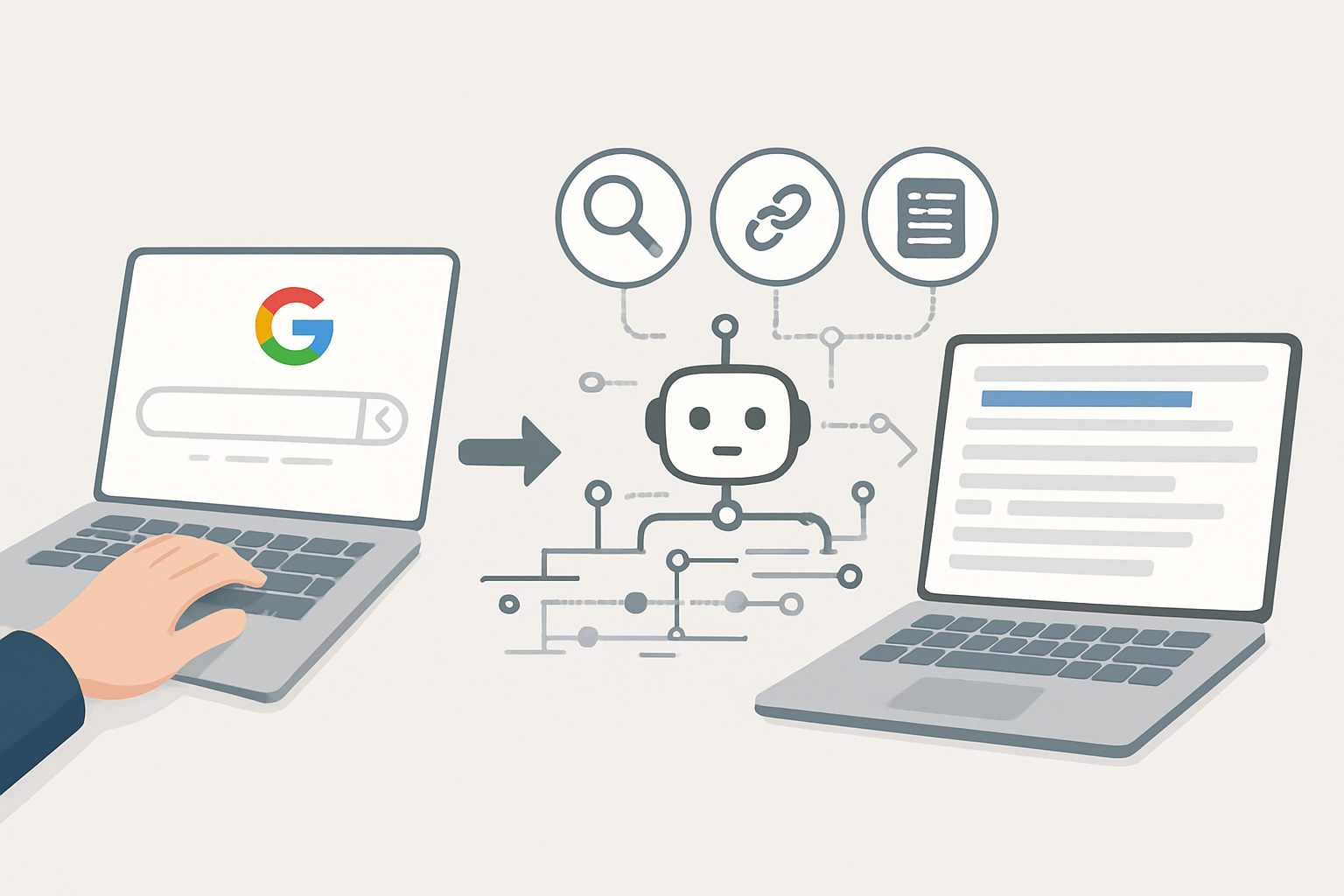
SEO, or Search Engine Optimization, is the practice of improving your website so that it appears higher in search engine results pages (SERPs) like Google, Bing, or Yahoo. When someone types a question or phrase into a search engine, SEO is what determines which websites show up first. Businesses that invest in SEO consistently attract more visitors, generate more leads, and grow faster than those that rely solely on paid advertising.
What Exactly Does SEO Mean?
SEO is defined as the set of strategies and techniques used to increase the quantity and quality of organic (unpaid) traffic to a website through search engine results. The word “organic” is key here — it means you are not paying for each visitor like you would with Google Ads. Instead, you earn your position by making your website more relevant, trustworthy, and useful than competing pages.
Search engines like Google use complex algorithms to decide which pages deserve to rank at the top. These algorithms evaluate hundreds of factors — from the words on your page to the number of other websites linking to yours. Understanding and working with these factors is what SEO is all about.
SEO is not a one-time task. It is an ongoing process of creating content, earning links, improving technical performance, and monitoring your results over time.
How Do Search Engines Actually Work?
Search engines work through three core stages: crawling, indexing, and ranking. Crawling is when automated bots (often called “spiders” or “crawlers”) scan the internet to discover new and updated web pages. Indexing is when those pages are stored and organized in the search engine’s massive database. Ranking is when the search engine decides which indexed pages best answer a user’s query and in what order to display them.
Googlebot, Google’s crawler, visits billions of pages every day. It follows links from one page to another, reading the content and metadata to understand what each page is about. If your website is hard to crawl — due to broken links, slow speed, or poor structure — Google may not index your pages at all.
Ranking is determined by the algorithm, which weighs factors like content relevance, page experience, mobile-friendliness, and the authority of your domain. The better you perform across these factors, the higher your pages rank.
What Are the Main Types of SEO?
SEO is typically divided into three main categories: on-page SEO, off-page SEO, and technical SEO. Each plays a distinct role in your overall search visibility strategy. Most successful websites work on all three simultaneously.
On-Page SEO
On-page SEO refers to everything you optimize directly on your website pages — including written content, headings, keyword placement, meta titles, and meta descriptions. It is the most directly controllable form of SEO. A well-optimized page clearly tells both users and search engines what the page is about and why it is valuable.
Strong on-page SEO means using your target keywords naturally within your content. It also means structuring your content with proper headings (H1, H2, H3) so it is easy to read and scan. Internal linking — connecting related pages on your own site — is another powerful on-page tactic.
Off-Page SEO
Off-page SEO is defined as any action taken outside of your website to improve its authority and reputation in the eyes of search engines. The most important off-page signal is backlinks — links from other websites pointing to yours. When reputable websites link to your content, Google interprets this as a vote of confidence.
Building backlinks requires producing content that others want to reference, forming partnerships, guest posting on industry blogs, and earning press mentions. Social media signals and brand mentions also contribute to off-page SEO, even when they don’t include a direct link. The more authoritative your off-page profile, the harder it is for competitors to outrank you.
Technical SEO
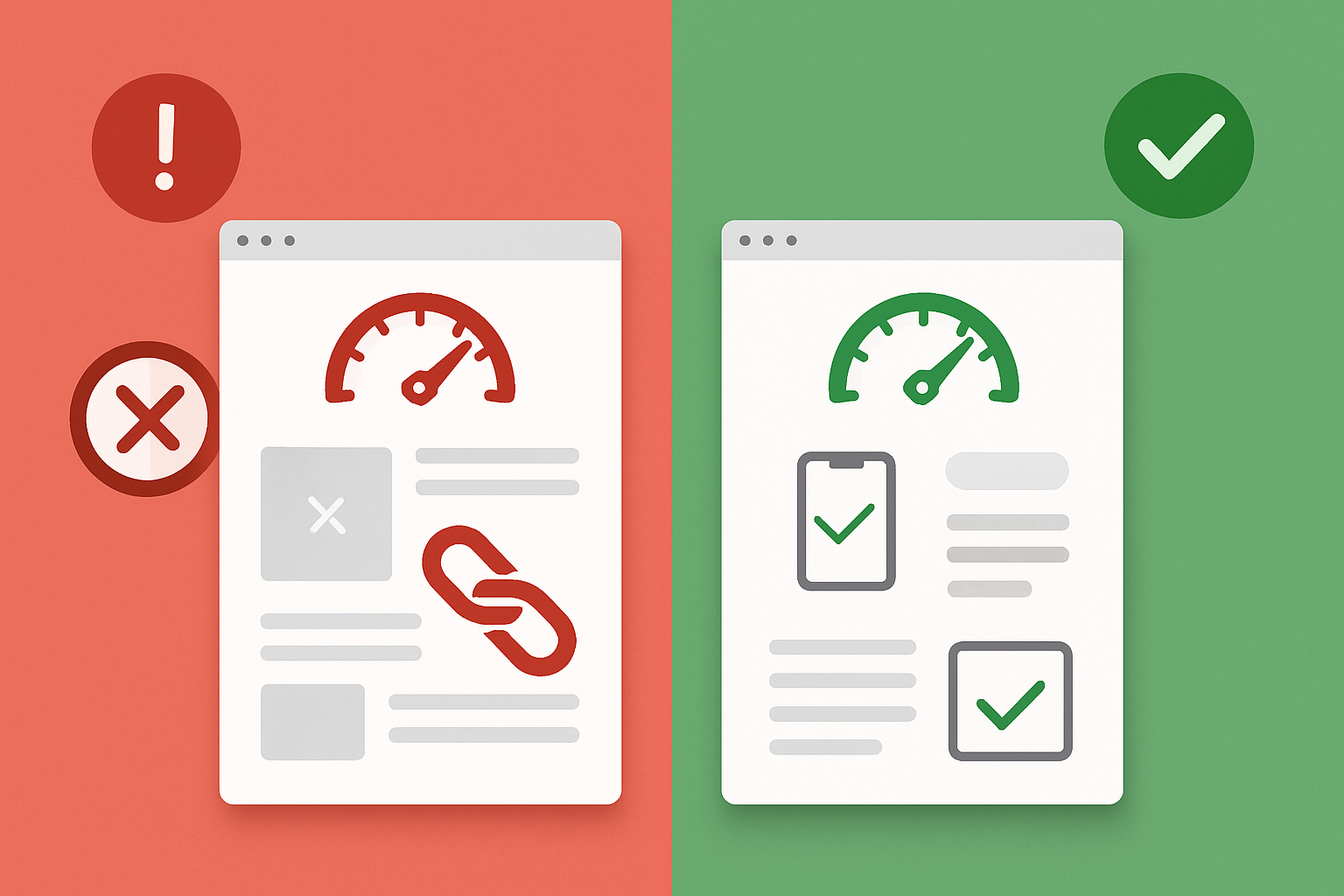
Technical SEO is defined as the process of optimizing the infrastructure of your website so that search engines can crawl and index it efficiently. It covers areas like site speed, mobile responsiveness, secure HTTPS connections, structured data (schema markup), and clean URL structures. A technically sound website gives all your on-page and off-page work a solid foundation to perform on.
Studies show that 53% of mobile users abandon a website that takes longer than three seconds to load. This means page speed is not just a technical preference — it directly affects your ranking and your revenue. Google officially uses Core Web Vitals as ranking signals, measuring real-world loading, interactivity, and visual stability.
Why Does SEO Matter for Your Business?
SEO matters because organic search is one of the highest-converting sources of traffic available online. According to BrightEdge research, organic search drives approximately 53% of all website traffic across industries. Unlike paid ads that stop the moment you stop spending, SEO builds compounding value — content that ranks today can bring in traffic for years.
The best way to understand SEO’s business value is to compare the cost-per-click in paid advertising versus organic search. Competitive keywords in industries like insurance, legal, and finance can cost $50 to $100 per click through paid ads. A single well-ranked blog post can capture those same clicks for free, month after month, once it achieves a strong position.
SEO also builds credibility. Users trust organic search results more than paid ads — research consistently shows that the majority of clicks go to organic results, not the sponsored listings at the top of the page. Ranking high tells potential customers that your business is authoritative and trustworthy.
How Has SEO Changed in the Age of AI?
SEO has evolved dramatically since its early days of keyword stuffing and link farming. Today, Google’s algorithm uses sophisticated machine learning models — including systems like BERT and MUM — to understand the meaning and intent behind search queries, not just the exact words used. This shift means that quality, depth, and relevance now matter far more than keyword frequency.
The rise of AI-generated search features — like Google’s AI Overviews (formerly Search Generative Experience) — has introduced a new dimension called Generative Engine Optimization (GEO). GEO is the practice of structuring your content so that AI-powered search engines and chatbots cite your website as a trusted source. This includes writing clear definitions, answering specific questions directly, and using structured formats like FAQs and lists.
If you want to learn how to use modern AI tools in your content creation process, read this detailed guide on how to use AI to write SEO articles for your business and rank on Google. It covers practical steps for integrating AI into your SEO workflow without sacrificing quality.
What Are the Most Important SEO Ranking Factors?
Google has confirmed over 200 ranking factors, but some carry significantly more weight than others. Understanding the top signals helps you prioritize your efforts and see results faster.
- Content quality and relevance: Your content must comprehensively answer the user’s search intent. Thin, vague, or outdated content rarely ranks well.
- Backlinks from authoritative sites: The number and quality of websites linking to yours remains one of the strongest ranking signals.
- Page experience signals: Core Web Vitals, mobile usability, and HTTPS security all influence how Google scores your pages.
- E-E-A-T (Experience, Expertise, Authoritativeness, Trustworthiness): Google evaluates whether your content demonstrates real expertise, especially in sensitive topics like health, finance, and legal advice.
- User engagement signals: Metrics like click-through rate, time on page, and bounce rate give Google indirect signals about whether users find your content valuable.
- Internal linking structure: Clear internal links help Google understand your site hierarchy and distribute ranking authority across your pages.
- Keyword optimization: Using your target keywords naturally in titles, headings, and body content remains essential — but context and semantic relevance matter more than repetition.
How Do You Start an SEO Strategy?
The best way to start an SEO strategy is to begin with keyword research — identifying the exact terms and questions your target audience types into search engines. Once you know what people are searching for, you can create content that directly answers those queries and optimize existing pages to better match user intent.
- Conduct keyword research: Find keywords with a balance of search volume and competition that match your business offerings.
- Audit your existing website: Identify technical issues, thin content, and missing metadata that may be holding back your rankings.
- Create or optimize content: Write or update pages that match the search intent behind your target keywords.
- Build backlinks: Reach out to relevant websites, write guest posts, and create link-worthy resources like original data or research.
- Track your rankings and traffic: Monitor your progress so you can double down on what works and fix what isn’t performing.
- Refine and repeat: SEO is cyclical — publish, analyze, improve, and publish again.
Many businesses that are scaling fast are also turning to AI-powered content systems to execute this strategy efficiently. You can explore how agencies and marketing teams are doing this by reading about how digital marketing agencies are scaling content production with AI SEO tools.
How Long Does SEO Take to Show Results?
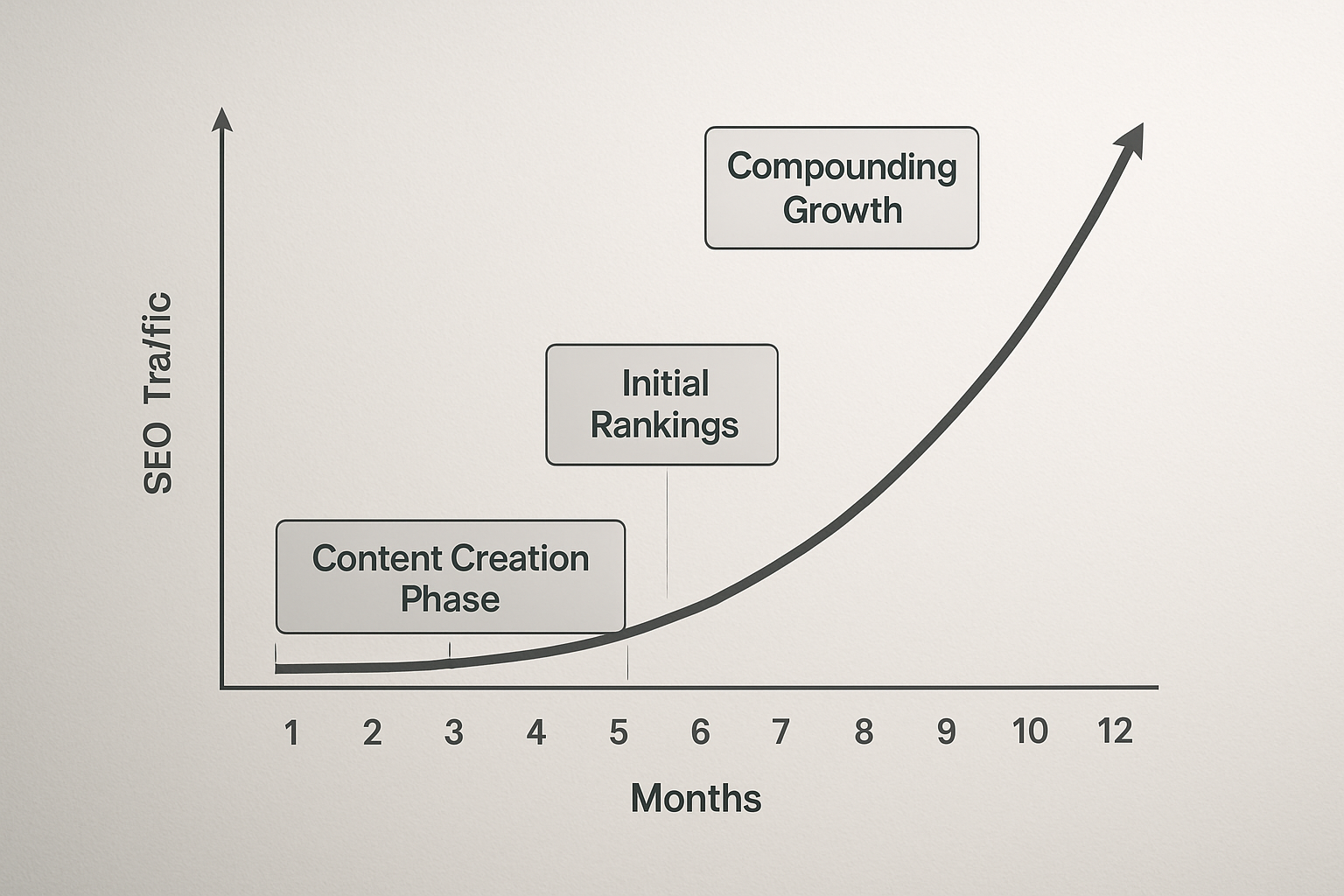
SEO typically takes between three to six months to show meaningful results, though this varies based on your domain authority, competition level, and how aggressively you publish and promote content. Newer websites with no backlink history often take longer, while established domains can see improvements within weeks of optimization. Patience is not optional in SEO — it is built into the process.
According to a study by Ahrefs, less than 6% of pages rank in the top 10 search results within a year of being published. The pages that do rank quickly tend to have strong backlink profiles, address low-competition keywords, or benefit from an already-authoritative domain.
That said, compounding returns make SEO one of the best long-term investments available. A single high-ranking article can generate thousands of visitors monthly for years without additional spend. The earlier you start, the earlier you build that compounding momentum.
What Tools and Platforms Support Effective SEO?
Effective SEO requires tools that help with keyword research, rank tracking, site auditing, and content optimization. Many traditional SEO tools and legacy platforms offer broad functionality but come with steep learning curves, fragmented dashboards, and high price tags that make them inaccessible for small and mid-sized businesses.
Modern AI-powered platforms are changing this by combining multiple SEO functions into a single streamlined workflow. These tools can suggest keywords, generate optimized content drafts, track rankings automatically, and surface technical issues — all without requiring deep SEO expertise from the user. For teams focused on growth, this efficiency is a competitive advantage.
If your team is looking for a cost-effective solution, explore this breakdown of an affordable SaaS SEO solution for digital marketing teams that delivers smarter results without the bloated cost of traditional platforms.
What Is the Difference Between SEO and SEM?
SEO and SEM (Search Engine Marketing) are often confused, but they are not the same thing. SEO focuses exclusively on earning organic rankings through content, links, and technical optimization — without paying for placement. SEM is a broader term that includes both SEO and paid search advertising (like Google Ads), where you bid on keywords and pay each time someone clicks your ad.
The key advantage of SEO over paid SEM is long-term ROI. Paid ads deliver immediate traffic but stop the moment your budget runs out. SEO takes time to build but delivers sustained traffic without per-click costs. Most successful digital marketing strategies combine both — using paid ads for immediate results while SEO builds organic authority over time.
How Does Local SEO Differ from Standard SEO?
Local SEO is a specialized branch of SEO focused on helping businesses rank in geographically specific searches — like “dentist near me” or “best pizza in Austin.” It involves optimizing your Google Business Profile, collecting customer reviews, building local citations, and targeting location-based keywords. For any business with a physical location or service area, local SEO is essential.
Standard (national or global) SEO targets broader, non-location-specific keywords and competes across a wider geographic pool. Local SEO, by contrast, leverages your physical proximity to the searcher as a ranking advantage. Both types share the same foundational principles — quality content, strong links, and technical health — but local SEO adds location signals into the mix.
Frequently Asked Questions
What is SEO in simple terms?
SEO (Search Engine Optimization) is the process of improving your website so it appears higher in search engine results like Google, helping more people find your business without paying for ads.
How long does it take to see results from SEO?
Most websites begin seeing meaningful SEO results within three to six months, though highly competitive niches or brand-new domains may take longer to build authority and rankings.
Is SEO still relevant in 2026 with AI search becoming dominant?
Yes — SEO is more relevant than ever. AI-powered search tools still pull from indexed web content, and optimizing for AI citation (GEO) builds on the same fundamentals as traditional SEO, including quality content, clear structure, and authority signals.
What is the difference between on-page and off-page SEO?
On-page SEO refers to optimizations made directly on your website — like content, headings, and keywords — while off-page SEO refers to external signals like backlinks and brand mentions that build your site’s authority.
Can small businesses compete with large companies in SEO?
Yes — small businesses can compete effectively by targeting niche, long-tail keywords where competition is lower, creating highly specific and helpful content, and building local authority through Google Business Profile optimization and local backlinks.
Do I need to hire an SEO expert or can I do it myself?
Many business owners successfully manage basic SEO themselves using modern AI-powered tools that simplify keyword research, content creation, and rank tracking. Hiring an expert or agency becomes valuable when you want to scale faster or tackle complex technical issues.
Start Building Your SEO Foundation Today
SEO is not a luxury reserved for big-budget enterprises — it is one of the most accessible and high-return investments any business can make online. Whether you are just getting started or looking to scale an existing strategy, the fundamentals remain the same: understand your audience, create genuinely helpful content, earn authoritative links, and keep your website technically sound.
The landscape has evolved significantly with AI, but that evolution creates opportunity as much as challenge. Businesses that adapt — by embracing AI-assisted content creation, monitoring rankings intelligently, and optimizing for both search engines and generative AI systems — will build a durable competitive advantage in organic search.
RankBloom SEO is built for exactly this moment. It combines AI-powered content generation, keyword tracking, and site optimization into a single platform designed to help businesses of all sizes rank faster, smarter, and more affordably than relying on fragmented legacy tools. If you are ready to turn SEO from a mystery into a growth engine, RankBloom SEO gives you the tools to make it happen — starting today.