

A SaaS SEO platform is defined as a cloud-based software solution that gives digital marketers access to search engine optimization tools — including keyword research, backlink analysis, site audits, and rank tracking — through a subscription model. These platforms eliminate the need for complex local installations or one-time expensive software purchases. Instead, teams can log in from anywhere, collaborate in real time, and scale their SEO efforts alongside their business growth.
Studies show that companies using dedicated SEO software see up to 40% faster keyword ranking improvements compared to teams relying on manual methods or disconnected tools. The efficiency gains come from automation, centralized data, and actionable insights delivered directly within the platform. For digital marketers managing multiple clients or campaigns, that speed advantage is the difference between winning and losing competitive search positions.
The best way to understand why SaaS SEO platforms have become essential is to recognize how dramatically SEO itself has changed. Search algorithms now evaluate hundreds of ranking signals simultaneously. No single spreadsheet or manual audit can keep pace with that complexity — but a purpose-built SaaS SEO platform can.
What Is a SaaS SEO Platform and How Is It Different from Traditional SEO Tools?
A SaaS SEO platform is fundamentally different from traditional desktop software because it operates entirely in the cloud with no local installation required. Updates happen automatically, so marketers always have access to the latest algorithm-aware features without paying for new versions. This model also means your data is stored securely and accessible across your entire team from any device.
Traditional SEO tools were often siloed — one tool for keywords, another for backlinks, another for audits. A modern SaaS SEO platform consolidates all of these functions under one roof, reducing the time wasted switching between tabs and reconciling conflicting data. Integration is not just a convenience; it directly improves decision-making quality.
The subscription pricing model of SaaS platforms also makes enterprise-grade SEO capabilities accessible to smaller agencies and solo digital marketers. Plans typically scale based on the number of projects, keywords tracked, or users — so you only pay for what you actually need. This flexibility is a major reason the global SEO software market is projected to surpass $1.6 billion by 2027.
What Core Features Should Digital Marketers Look for in a SaaS SEO Platform?
The most important features in a SaaS SEO platform for digital marketers include keyword research, rank tracking, technical site auditing, backlink monitoring, and competitor analysis. These five pillars form the foundation of any successful SEO strategy. A platform missing even one of these areas forces marketers to patch the gap with an external tool — adding cost and friction.
Keyword Research and Opportunity Discovery
Effective keyword research within a SaaS platform goes far beyond showing monthly search volume. The best tools surface keyword difficulty scores, click-through rate estimates, SERP feature opportunities, and topic cluster recommendations. This depth allows digital marketers to prioritize keywords that are genuinely winnable — not just popular.
Look for platforms that include search intent classification, which is the automatic categorization of keywords as informational, navigational, commercial, or transactional. Understanding intent ensures your content matches what searchers actually want at each stage of their journey. Misaligned intent is one of the top reasons well-written pages fail to rank.
Technical SEO Auditing
Technical SEO auditing is defined as the automated process of crawling a website to identify issues that prevent search engines from properly indexing and ranking its pages. These issues include broken links, slow page speeds, duplicate content, missing meta tags, and crawl budget waste. A strong SaaS SEO platform will prioritize these issues by severity and provide specific fix recommendations.
Advanced platforms now integrate Core Web Vitals data directly into their audit dashboards, giving marketers a real-time picture of page experience performance. Google’s ranking systems actively use Core Web Vitals as a signal, so this integration saves significant diagnostic time. Regular automated audits catch regressions before they quietly damage your rankings.
Rank Tracking and Reporting
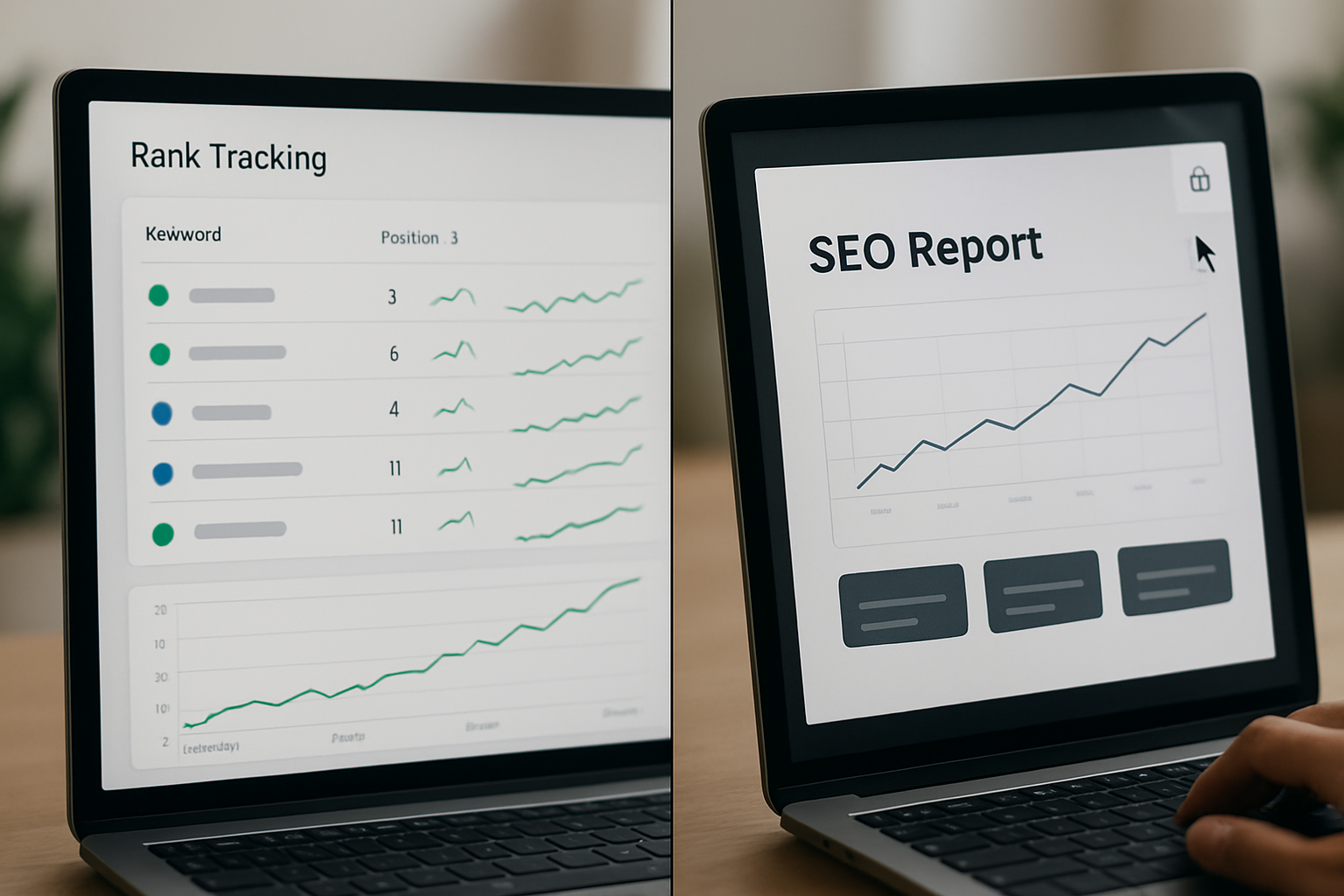
Rank tracking inside a SaaS SEO platform should update daily and cover rankings across multiple search engines, devices, and geographic locations. Digital marketers managing local SEO campaigns need city-level or even zip-code-level tracking to measure true performance. White-label reporting features are also critical for agencies that present results directly to clients.
How Does a SaaS SEO Platform Help Digital Marketers Work More Efficiently?
A SaaS SEO platform increases efficiency primarily through automation, centralized workflows, and real-time collaboration features. Tasks that once took hours — like pulling weekly ranking reports or running a full site audit — are completed automatically on a scheduled basis. Marketers can redirect that recovered time toward strategy and content creation, where human judgment adds the most value.
Team collaboration features inside modern SaaS platforms allow multiple users to work on the same project simultaneously without version conflicts. Agencies can assign specific keyword groups to individual team members, leave notes on audit findings, and set task priorities — all within the platform. This eliminates the chaotic back-and-forth of sharing spreadsheets by email.
AI-powered content optimization tools, now standard in leading SaaS SEO platforms, help writers produce content that matches search intent and competitive benchmarks before publishing. These tools analyze top-ranking pages and suggest optimal word counts, heading structures, semantic keywords, and readability improvements. The result is a dramatically higher first-draft ranking success rate.
Why Choose a SaaS SEO Platform Over Hiring an SEO Agency?
Choosing a SaaS SEO platform over an agency depends on your team’s internal expertise and your budget — but for many digital marketing teams, the platform model delivers faster iteration and greater control. With a platform, your team executes strategy directly and can pivot within hours when rankings shift. An agency relationship often involves communication delays and less transparency into the data driving decisions.
Cost is a significant factor: a full-service SEO agency engagement typically costs between $2,500 and $10,000 per month, while premium SaaS SEO platforms range from $99 to $999 per month depending on scale. For teams that have the in-house bandwidth to act on SEO insights, that cost difference is substantial. The platform investment pays for itself quickly when paired with a competent internal marketing team.
That said, SaaS SEO platforms and agencies are not always mutually exclusive. Many agencies themselves use SaaS platforms to power their client work. The most competitive digital marketing teams combine a powerful SaaS platform with skilled strategists who can interpret and act on the data the platform surfaces.
What Are the Best SaaS SEO Platforms for Digital Marketers Available Today?
The leading SaaS SEO platforms for digital marketers in the current market include Semrush, Ahrefs, Moz Pro, Surfer SEO, and Mangools. Each platform has distinct strengths that make it more or less suitable depending on your specific workflow and goals. Choosing the right one requires evaluating your team’s size, budget, and primary SEO focus areas.
- Semrush — Best for comprehensive all-in-one SEO, PPC, and content marketing workflows. Offers one of the largest keyword databases available.
- Ahrefs — Best for backlink analysis and competitive link-building research. Known for its accurate link index and intuitive interface.
- Moz Pro — Best for beginners and mid-sized teams who value ease of use and reliable domain authority metrics.
- Surfer SEO — Best for content-first SEO teams that prioritize on-page optimization and AI-assisted writing workflows.
- Mangools — Best for solo digital marketers and small agencies looking for an affordable, beginner-friendly entry point into SaaS SEO tooling.
No single platform is universally superior — the best SaaS SEO platform for digital marketers is the one that aligns with how your team actually works. Many professionals use a primary platform like Semrush or Ahrefs and supplement it with a content-optimization tool like Surfer SEO for specific workflows.
How Should Digital Marketers Evaluate and Compare SaaS SEO Platforms Before Buying?
Before committing to a SaaS SEO platform subscription, digital marketers should evaluate five key dimensions: data accuracy, feature breadth, ease of use, reporting flexibility, and customer support quality. Data accuracy is non-negotiable — a platform with inflated search volumes or inaccurate rank tracking will lead you to make poor strategic decisions. Always cross-reference a platform’s keyword data against Google Search Console during a free trial period.
Most reputable SaaS SEO platforms offer 7 to 14-day free trials or limited free-tier access that lets you pressure-test the core features before purchasing. Use this period to run a site audit on a real project, track a specific set of target keywords, and explore competitor research functionality. If the platform’s workflow feels unintuitive during the trial, it will feel worse when you’re under deadline pressure.
- Define your top three SEO workflow priorities before starting any trial.
- Invite at least one other team member to evaluate collaboration features.
- Export a sample report and assess whether client-facing deliverables meet your quality standards.
- Contact the support team with a real question and evaluate the response time and quality.
- Review the platform’s roadmap and changelog to assess how actively it’s being developed.

What Trends Are Shaping the Future of SaaS SEO Platforms for Digital Marketers?
Artificial intelligence integration is the dominant trend transforming SaaS SEO platforms right now. Platforms are moving beyond keyword data delivery to offering predictive ranking models, automated content briefs, and AI-generated optimization recommendations that update in real time. According to recent industry research, over 65% of digital marketers now use AI-powered features within their SEO tools on a weekly basis.
Generative Engine Optimization (GEO) is emerging as a critical new capability — GEO is defined as the practice of optimizing content to appear as cited sources within AI-generated search results from tools like Google AI Overviews, ChatGPT, and Perplexity. Leading SaaS SEO platforms are beginning to integrate GEO tracking, showing marketers how often their content surfaces in AI-generated answers. This represents the next major frontier in search visibility measurement.
Voice search optimization, multi-language SEO scaling, and real-time SERP feature monitoring are also evolving rapidly within platform roadmaps. Digital marketers who choose SaaS platforms with strong development velocity will naturally benefit from these capabilities as they roll out. Picking a platform is partly a bet on the team building it.
Frequently Asked Questions
What is the best SaaS SEO platform for digital marketers on a limited budget?
Mangools offers the most affordable entry point with solid keyword research and rank tracking, starting around $29 per month. Moz Pro and Semrush’s entry-level plans are also competitive options for budget-conscious teams.
Can a SaaS SEO platform replace Google Search Console?
No — Google Search Console provides first-party data directly from Google and should always be used alongside your SaaS SEO platform, not instead of it. SaaS platforms complement Search Console by adding competitor data, backlink analysis, and automated reporting that Google’s free tool does not offer.
How long does it take to see results after using a SaaS SEO platform?
Most digital marketers begin identifying actionable opportunities within the first week of using a SaaS SEO platform, but ranking improvements from implemented changes typically take 4 to 12 weeks to materialize in search results. Consistency and prioritization of high-impact fixes accelerate that timeline significantly.
Are SaaS SEO platforms suitable for e-commerce digital marketers?
Yes — most leading SaaS SEO platforms include features specifically valuable for e-commerce, such as product page auditing, category keyword clustering, and competitor price-page analysis. Semrush and Ahrefs are particularly well-regarded for e-commerce SEO workflows.
Is it safe to share SaaS SEO platform access with remote team members or clients?
Yes — reputable SaaS SEO platforms use enterprise-grade encryption and offer role-based user permissions that control what each team member or client can view and edit. Always use platform-native user management rather than sharing a single login to protect your account security and data.
Conclusion: The Right SaaS SEO Platform Transforms How Digital Marketers Compete
A SaaS SEO platform for digital marketers is no longer a luxury — it is the operational backbone of any team serious about sustainable organic growth. The right platform unifies your keyword intelligence, technical diagnostics, competitive insights, and reporting into a single, always-updated workspace. That consolidation alone saves dozens of hours per month and sharpens the quality of every SEO decision your team makes.
The market offers powerful options at every price point, from budget-friendly tools for solo marketers to enterprise platforms managing thousands of keywords across global campaigns. The most important step is matching the platform’s core strengths to your team’s specific workflow priorities — then committing to using it consistently. Occasional logins produce occasional results; daily engagement with your platform produces compounding ranking gains.
Ready to find your ideal SaaS SEO platform? Start with a free trial of the two or three platforms that best match your evaluation criteria, run them against a real live project, and let the data guide your decision. The best platform is the one your team will actually use — and use well. Your next rankings breakthrough is already waiting inside the data.