
SEO content scheduling is the strategic practice of planning, creating, and publishing optimized content on a consistent, pre-determined timeline to improve search engine rankings. It removes the chaos of ad-hoc publishing and replaces it with a system that search engines love. When done correctly, a strong content schedule can be one of the most powerful drivers of long-term organic traffic growth.
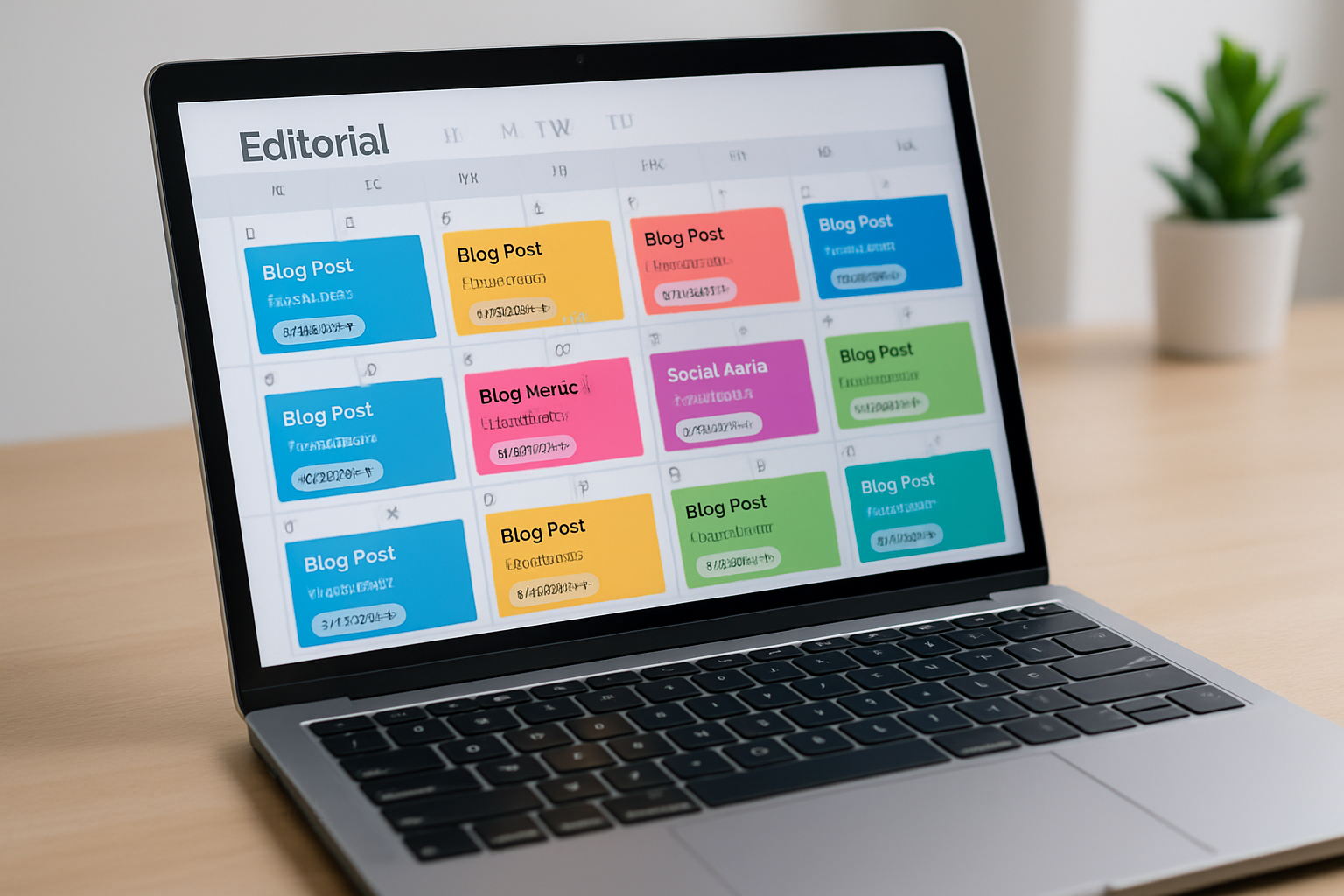
Studies show that businesses that publish blog content consistently generate 67% more leads per month than those that post irregularly. Consistency signals to Google that your website is active, authoritative, and worth ranking. Without a schedule, even the highest-quality content can underperform because it lacks the rhythm that search algorithms reward.
The best way to think about SEO content scheduling is as your website’s heartbeat. Every published post is a pulse that tells search engines you are alive, relevant, and growing. The faster and more consistently you publish quality, optimized content, the stronger that signal becomes over time.
What Exactly Is SEO Content Scheduling?
SEO content scheduling is defined as the systematic process of organizing, optimizing, and timing the publication of digital content specifically to maximize search engine visibility and ranking performance. It combines keyword strategy, content planning, and automated publishing into a single repeatable workflow. Think of it as the editorial backbone of your entire SEO strategy.
A proper content schedule answers three critical questions: What will you publish? When will you publish it? And which target keywords will each piece of content address? Without answering all three, your content efforts remain scattered and ineffective. A structured plan ensures every article, blog post, or page serves a deliberate SEO purpose.
Content scheduling is not just about picking dates on a calendar. It involves keyword research, competitor gap analysis, internal linking plans, and coordinated distribution across multiple channels. When all of these elements work together on a schedule, the cumulative SEO effect compounds over time.
Why Does Consistent Publishing Matter for SEO Rankings?
Google’s crawl frequency is directly tied to how often a website publishes fresh content. Websites that publish regularly are crawled more frequently, which means new pages get indexed faster. Faster indexing means your content can start ranking sooner — giving you a competitive advantage over slower-publishing competitors.
Studies show that companies publishing 16 or more blog posts per month receive 3.5 times more traffic than those publishing zero to four posts monthly. This data point alone illustrates why volume and consistency matter in SEO. More indexed pages mean more keyword opportunities, more backlink targets, and more entry points for organic traffic.
Topical authority is another major reason consistent scheduling matters. Topical authority is defined as the degree to which a website is recognized by search engines as a comprehensive, trustworthy source on a specific subject. Publishing a steady stream of interlinked, on-topic content builds this authority faster than any other method.
How Does an SEO Content Schedule Actually Work?
An effective SEO content schedule starts with a keyword research phase where you identify target search terms, their monthly search volumes, and their competitiveness. These keywords then get assigned to specific content pieces and slotted into a publishing calendar. Each piece is optimized with proper headings, meta descriptions, internal links, and structured data before it is scheduled for publishing.
- Keyword Research: Identify high-value, achievable target keywords for your niche.
- Content Planning: Map each keyword to a specific blog post, article, or page.
- Content Creation: Write fully SEO-optimized content for each scheduled piece.
- Scheduling: Assign each piece a specific publishing date and time.
- Auto-Publishing: Use a platform to automatically push content live with zero manual effort.
- Distribution: Automatically share each published piece to social media channels.
- Tracking: Monitor rankings, traffic, and engagement after each post goes live.
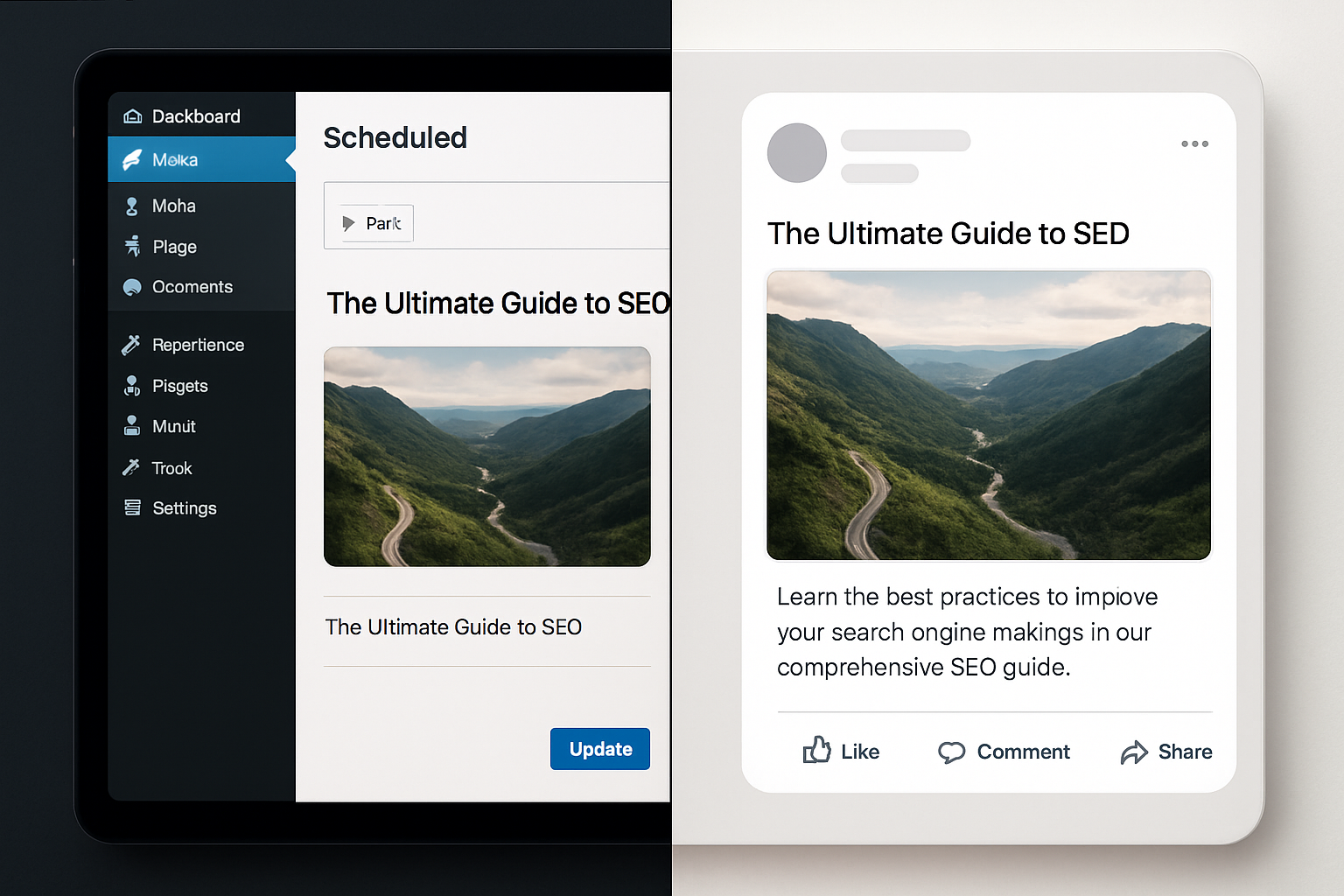
The most efficient version of this process uses automation to handle steps four through six without human intervention. Manual publishing is time-consuming, error-prone, and difficult to scale. Automation tools that integrate directly with your WordPress site and social channels eliminate these bottlenecks entirely.
What Are the Biggest Mistakes Businesses Make Without a Content Schedule?
The most common mistake is publishing content in bursts followed by long periods of silence. Search engines interpret this stop-start pattern as a sign of low reliability and reduce crawl frequency accordingly. Your rankings can actually drop during publishing gaps, even if your content quality is high.
- Publishing without keyword targeting, resulting in content nobody searches for
- Ignoring internal linking opportunities between scheduled posts
- Failing to distribute content to social channels after publishing
- Not tracking performance to refine future scheduling decisions
- Over-publishing low-quality content just to maintain frequency
- Under-publishing due to manual workflow bottlenecks
Another critical error is treating content creation and distribution as separate, disconnected tasks. Every time you publish a new piece of SEO content, it should simultaneously appear on your website and be shared across your social media presence. Missing this distribution step wastes a significant portion of each content investment.
How Does RankBloom SEO Solve the Content Scheduling Problem?
RankBloom SEO is a purpose-built SEO content scheduling platform designed to take the entire process off your plate, from content creation and optimization all the way through to automated publishing and social distribution. It integrates directly with WordPress, meaning your scheduled content goes live automatically — with zero manual intervention required. This level of automation is a game-changer for small businesses and agencies that cannot afford to hire full-time content teams.
What makes RankBloom SEO especially valuable is its affordability. Most enterprise-level content automation tools carry price tags that only large corporations can justify. RankBloom SEO was specifically built for small businesses and digital agencies that need professional-grade SEO automation at a price point that actually makes business sense.
Here is what RankBloom SEO delivers for its users:
- Auto-Publishing to WordPress: Scheduled content goes live on your site automatically, on time, every time.
- Social Media Distribution: Each published post is simultaneously shared to your connected social channels without any manual steps.
- SEO Optimization Built In: Content is structured with proper headings, meta tags, keywords, and schema data before scheduling.
- Affordable Pricing: Plans designed for small businesses and agencies — not enterprise budgets.
- Zero Manual Intervention: Once your schedule is set, the platform runs itself.
- Scalable Workflows: Easily manage content schedules for multiple websites or clients from a single dashboard.
For agencies managing multiple client websites, RankBloom SEO transforms what would normally require a full content operations team into a lean, automated system. Every client gets a consistent publishing schedule, every post gets social distribution, and every piece of content is built to rank. Visit RankBloom SEO to see exactly how it works.
Why Is Automation the Future of SEO Content Scheduling?
Manual SEO content scheduling does not scale. A single content manager can realistically handle content planning, creation, publishing, and distribution for perhaps two or three websites before the workload becomes unmanageable. Automation removes this ceiling entirely, allowing one person to manage content operations for dozens of websites simultaneously.
Research indicates that marketers who use automation for content publishing save an average of six hours per week per managed website. Multiply that across even five websites, and you are looking at 30 reclaimed hours per week — time that can be reinvested into strategy, client relationships, or growing the business. The ROI of automation in content scheduling is not just real; it is transformational.
Automated scheduling also eliminates human error. Missed publishing dates, forgotten social shares, improperly formatted meta tags — these small mistakes add up and quietly erode your SEO performance. A reliable automation platform like RankBloom SEO ensures every post goes out perfectly, every single time.
How Should Small Businesses Approach SEO Content Scheduling?
Small businesses should start with a realistic publishing frequency and build from there. Beginning with two to four high-quality, fully optimized posts per week is far more sustainable and effective than attempting daily publishing and burning out after three weeks. Consistency always outperforms intensity in long-term SEO strategy.
The ideal small business SEO content schedule includes a mix of evergreen content — articles that remain relevant indefinitely — and timely content that capitalizes on trending searches in your niche. Evergreen content is defined as search-optimized content whose value and search relevance do not diminish significantly over time. A balanced schedule of both types maximizes both immediate traffic spikes and long-term ranking stability.
Small businesses should also prioritize local SEO keywords within their content schedules. Including location-specific content pieces that target searches like “best [service] in [city]” can drive highly qualified local traffic that converts at significantly higher rates than generic organic traffic. RankBloom SEO makes it easy to schedule and publish this type of hyper-targeted content at scale.

What Metrics Should You Track to Measure Content Scheduling Success?
Tracking the right metrics is essential to understanding whether your SEO content schedule is actually working. The most important indicators include organic search traffic growth, keyword ranking improvements, pages indexed by Google, and the average time between publishing and indexing. These metrics tell you whether your schedule is producing the search engine visibility you are working toward.
- Organic Traffic: Month-over-month growth in sessions from search engines
- Keyword Rankings: Position improvements for your targeted keywords
- Index Coverage: Number of pages successfully indexed by Google
- Crawl Frequency: How often Googlebot visits your site
- Social Engagement: Shares, clicks, and interactions from distributed posts
- Content Velocity: Number of new pieces published per week or month
Reviewing these metrics monthly allows you to fine-tune your content schedule for maximum impact. If certain topic clusters are driving disproportionate ranking gains, you can adjust your schedule to publish more content in those areas. Data-driven scheduling decisions consistently outperform intuition-based ones.
—
Frequently Asked Questions
What is SEO content scheduling and how does it help rankings?
SEO content scheduling is the strategic planning and automated publishing of optimized content on a consistent timeline. It helps rankings by signaling to search engines that your site is active, authoritative, and regularly updated — which increases crawl frequency and keyword indexing.
How often should I publish content for the best SEO results?
Studies show that publishing 16 or more posts per month can generate up to 3.5 times more traffic, but even two to four high-quality posts per week will produce meaningful SEO gains for small businesses. Consistency matters more than raw volume — irregular publishing actively harms your rankings.
Can RankBloom SEO really publish to WordPress automatically without manual work?
Yes. RankBloom SEO is specifically designed to auto-publish scheduled content directly to WordPress and simultaneously share it across social media channels with absolutely zero manual intervention required. Once your schedule is configured, the platform handles everything automatically.
Is RankBloom SEO affordable for small businesses and freelancers?
RankBloom SEO was built specifically for small businesses, freelancers, and digital agencies that need professional SEO automation without enterprise-level pricing. Its affordable plans make consistent, automated content scheduling accessible to businesses of every size.
What is the difference between evergreen content and timely content in a schedule?
Evergreen content is defined as optimized content that remains relevant and continues attracting search traffic indefinitely, while timely content targets trending or seasonal searches for short-term traffic spikes. A well-balanced SEO content schedule includes both types to maximize long-term rankings and immediate visibility.
—
Start Automating Your SEO Content Schedule Today
SEO content scheduling is not optional for businesses that want to compete in organic search — it is essential. The difference between websites that grow steadily in the rankings and those that stagnate is almost always consistent, strategic content publishing. Every week without a schedule is a week your competitors are gaining ground.
RankBloom SEO gives small businesses and agencies the tools to compete at the highest level without the overhead of a full content team. Auto-publishing to WordPress, automatic social media distribution, built-in SEO optimization, and genuinely affordable pricing — everything you need to turn content scheduling from a painful manual task into a powerful automated growth engine.
Ready to take your SEO content scheduling to the next level? Visit https://www.rankbloomseo.com today and discover how RankBloom SEO can help your website rank higher, publish consistently, and grow your organic traffic — all on autopilot.