
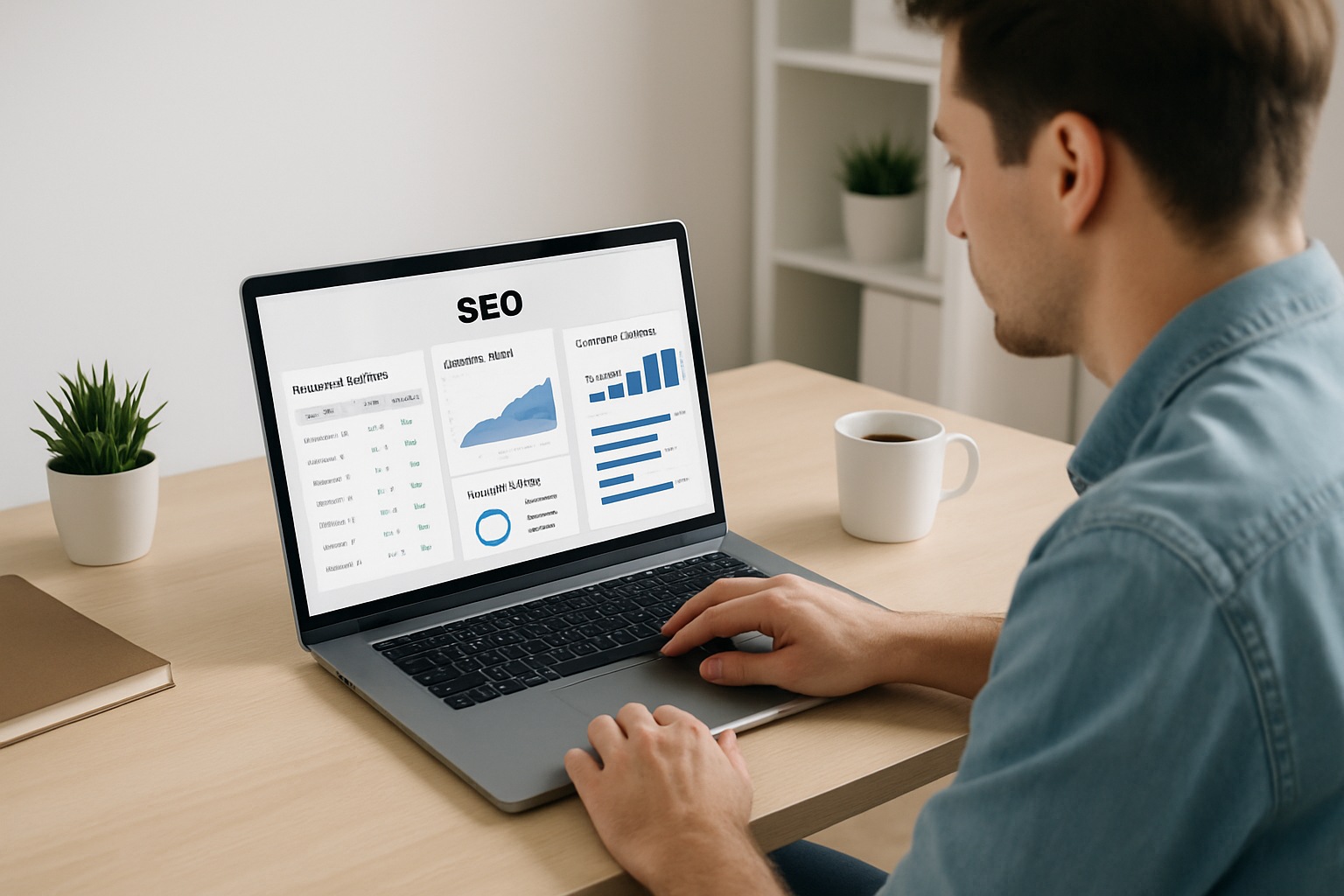
The best SEO tools for small business are affordable, easy to use, and built to deliver measurable results without requiring a full-time marketing team. Small business owners face a unique challenge — they need powerful SEO capabilities but often have limited budgets and technical expertise. The good news is that the SEO software market has matured significantly, offering excellent tools designed specifically for lean teams and solo operators.
Studies show that 68% of all online experiences begin with a search engine, making SEO one of the most cost-effective marketing channels available to small businesses. Organic search delivers sustainable, compounding traffic that paid ads simply cannot replicate over the long term. Investing in the right SEO tool from the start sets the foundation for years of reliable visibility.
According to BrightEdge research, organic search drives 53% of all website traffic across industries. For small businesses, this means ranking well on Google is not optional — it is essential for survival in competitive markets. The right tool helps you find opportunities, fix technical problems, and outrank competitors who may be spending far more on advertising.
What Are the Best SEO Tools for Small Business in 2026?
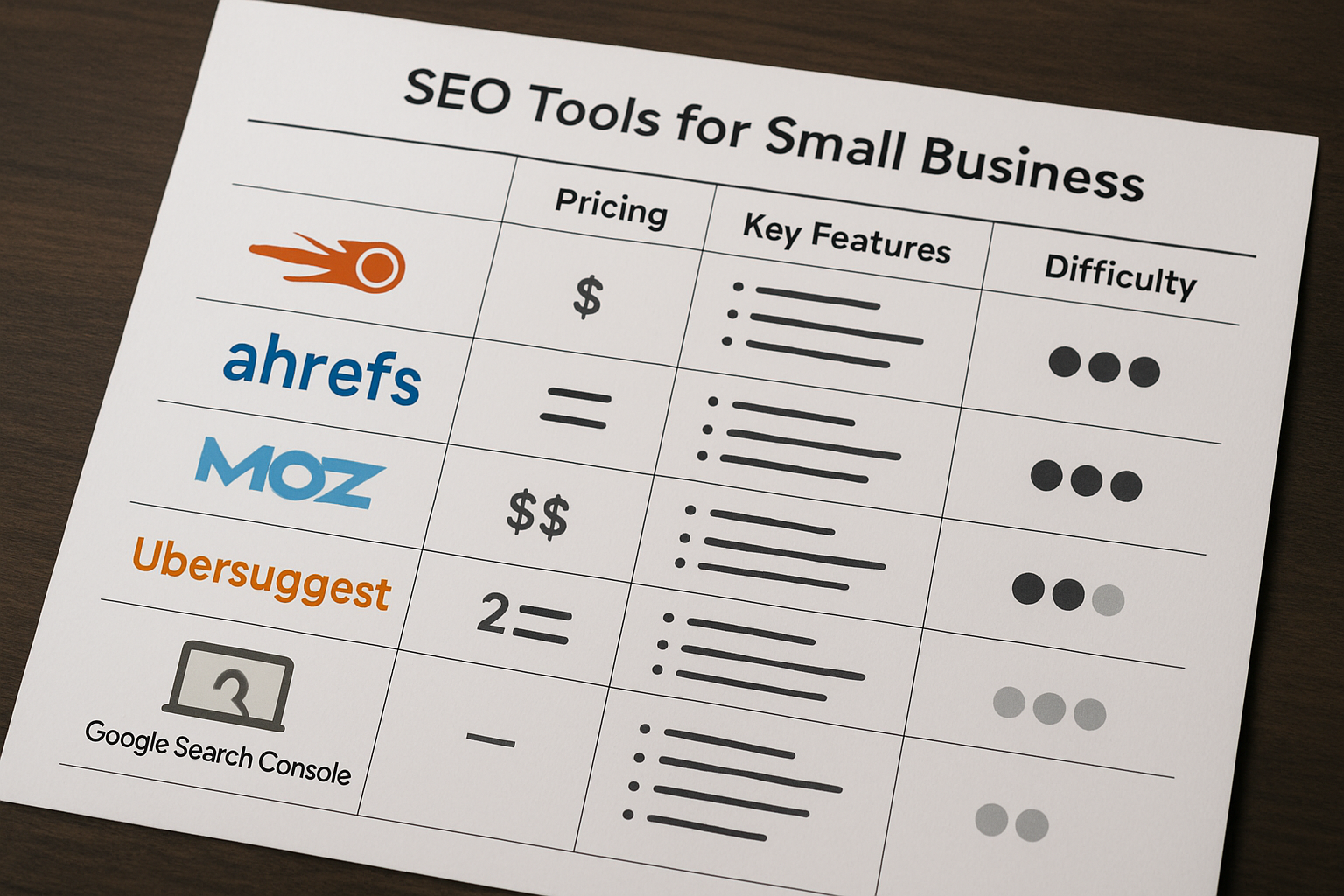
The best SEO tools for small business right now include Semrush, Ahrefs, Moz Pro, Ubersuggest, and Google Search Console. Each tool serves a different budget level and skill set, so the right choice depends on your specific goals and resources. Below is a breakdown of the top options to help you choose confidently.
- Google Search Console — Free, official data directly from Google
- Ubersuggest — Budget-friendly with solid keyword research features
- Moz Pro — Beginner-friendly interface with reliable metrics
- Semrush — Industry-leading all-in-one platform for growing businesses
- Ahrefs — Best-in-class backlink analysis and content research
- SE Ranking — Excellent value for money with accurate rank tracking
- Screaming Frog — Powerful technical SEO crawler at a low annual price
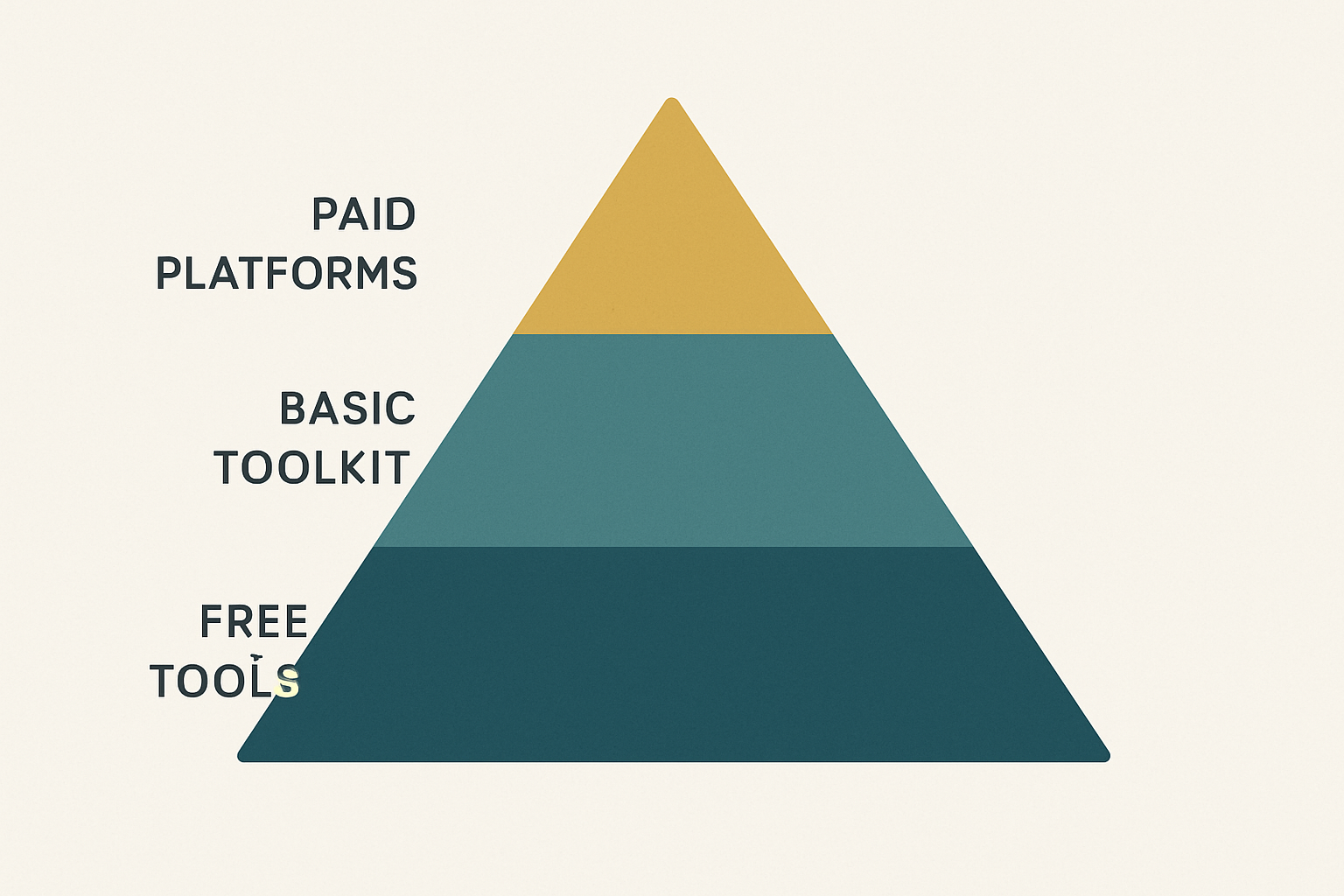
Each of these tools addresses a core pillar of SEO: keyword research, technical auditing, backlink analysis, and rank tracking. A small business does not need all of them simultaneously — one or two tools used consistently will deliver strong results. Start with free tools and upgrade as your revenue and needs grow.
Why Should Small Businesses Invest in SEO Tools?
SEO tools save small businesses enormous amounts of time by automating research and analysis that would otherwise take days to complete manually. Without a tool, identifying keyword opportunities, discovering technical errors, and monitoring competitor movements is nearly impossible at scale. Even a basic subscription pays for itself quickly when it leads to higher rankings and more customer inquiries.
Small businesses that use SEO tools consistently rank higher and attract more qualified traffic than those that rely on guesswork. A qualified visitor is someone who is already searching for exactly what you offer, making them far more likely to convert into a paying customer. SEO tools help you identify and target these high-intent searches with precision.
According to HubSpot’s 2025 State of Marketing report, businesses that prioritize SEO are 13 times more likely to see a positive return on investment compared to those that do not. This statistic alone justifies the monthly cost of even a premium SEO platform. The compounding nature of organic rankings means your investment grows in value over time, unlike paid advertising that stops the moment you cut the budget.
How Does Google Search Console Help Small Business SEO?
Google Search Console is defined as a free web service provided by Google that helps website owners monitor, maintain, and troubleshoot their site’s presence in Google Search results. It shows you exactly which keywords drive impressions and clicks to your website. No other tool gives you this level of direct, first-party data from the search engine itself.
Small businesses should treat Google Search Console as their SEO foundation before investing in any paid tool. It reveals which pages Google has indexed, flags crawl errors, and shows your average ranking position for every query. This data alone is enough to prioritize your content and technical fixes.
Setting up Google Search Console is free and takes less than 15 minutes using a simple DNS verification or HTML file upload. Once connected, you will begin receiving performance data within 48 hours. Many small businesses skip this step entirely and miss out on invaluable insights that would immediately improve their strategy.
What Is the Difference Between Semrush and Ahrefs for Small Businesses?
Semrush is defined as an all-in-one SEO and digital marketing platform that offers keyword research, competitor analysis, site auditing, rank tracking, and content marketing tools under one subscription. Ahrefs is defined as an SEO toolset that specializes in backlink analysis, keyword research, and content exploration with one of the largest link databases in the industry. Both are excellent, but they serve slightly different priorities.
Semrush is generally better suited for small businesses that want a comprehensive marketing hub, including PPC research, social media tools, and local SEO features. Ahrefs tends to be the preferred choice for businesses focused heavily on content marketing and link building. In terms of pricing, both platforms start around $129–$139 per month for their entry-level plans as of 2026.
For most small businesses, Semrush offers slightly more versatility at a comparable price point. However, if backlink analysis and competitor content research are your top priorities, Ahrefs wins that specific category. Many experienced SEOs use both tools together, treating them as complementary rather than competing platforms.
How Can Small Businesses Use SEO Tools on a Tight Budget?
The best way to use SEO tools on a tight budget is to start with free tools like Google Search Console and Google Analytics, then add one affordable paid tool as your business grows. Ubersuggest offers plans starting at just $12 per month, making it one of the most accessible paid options available. SE Ranking is another strong budget-friendly choice, with plans beginning around $44 per month.
Free trials are a powerful strategy that many small business owners overlook entirely. Semrush, Ahrefs, and Moz Pro all offer 7-to-14-day free trials that give you full access to their platforms. Use this trial period strategically to conduct a full site audit, download your keyword data, and analyze your top competitors before your trial expires.
Prioritizing the right features also helps stretch your budget further. Most small businesses need keyword research and rank tracking far more than they need advanced API access or white-label reporting. Choose a plan tier that matches your actual usage rather than paying for enterprise features you will not use for years.
Free SEO Tools Worth Using Right Now
- Google Search Console — Indexing data, keyword performance, and technical errors
- Google Analytics 4 — Website traffic behavior and conversion tracking
- Google Keyword Planner — Search volume data tied to Google Ads
- Bing Webmaster Tools — Similar to Search Console but for Bing traffic
- Answer The Public — Free tier for discovering question-based keywords
- Screaming Frog SEO Spider — Free version crawls up to 500 URLs
Why Is Local SEO Critical for Small Business Success?
Local SEO is the process of optimizing your online presence to attract more business from relevant local searches on Google and other search engines. For brick-and-mortar businesses and service area companies, local SEO is often more important than national organic rankings. Tools like Semrush’s Local module, BrightLocal, and Moz Local are specifically designed to help small businesses dominate their geographic market.
According to Google’s own data, 76% of people who search for something nearby on their smartphone visit a business within one day. This means appearing in the local map pack — the three business listings that appear under a map in search results — can directly drive foot traffic to your location. Local SEO tools help you manage your Google Business Profile, build local citations, and monitor local review signals.
BrightLocal is a standout tool specifically built for local SEO, with plans starting around $39 per month. It tracks your local rankings, monitors your reviews across platforms, and audits your citations for consistency. For any small business that depends on local customers, BrightLocal is one of the best investments available.
How Should Small Businesses Choose the Right SEO Tool?
Choosing the right SEO tool for your small business comes down to four factors: your budget, your technical skill level, your primary SEO goals, and the size of your website. A freelance consultant with a 10-page website has very different needs than a small e-commerce store with 500 product pages. Matching the tool to your specific situation prevents overspending and underutilizing.
Consider these questions before committing to any platform:
- Do you need keyword research, rank tracking, technical auditing, or all three?
- How comfortable are you with data and analytics interfaces?
- Do you need local SEO features or are you targeting a national audience?
- Are you doing link building and need detailed backlink data?
- How many websites or projects do you need to manage simultaneously?
Once you answer these questions, the right tool becomes obvious. A local plumber needs BrightLocal or Semrush Local far more than a complex technical crawler. A content-focused blogger needs Ahrefs or Ubersuggest more than an enterprise backlink monitoring suite.
Quick Comparison: Top SEO Tools for Small Business
- Semrush — Best all-in-one option, starts at ~$139/month
- Ahrefs — Best for backlinks and content, starts at ~$129/month
- Moz Pro — Best for beginners, starts at ~$99/month
- SE Ranking — Best value, starts at ~$44/month
- Ubersuggest — Best ultra-budget option, starts at ~$12/month
- BrightLocal — Best for local SEO, starts at ~$39/month
- Google Search Console — Best free foundation tool, $0
What Features Matter Most When Evaluating SEO Tools?
The most important features to evaluate in any SEO tool are keyword research accuracy, rank tracking reliability, site audit depth, and user interface simplicity. For small business owners who are not professional SEOs, a clean and intuitive dashboard matters as much as raw data power. A tool you actually use consistently will always outperform a more powerful tool that confuses or overwhelms you.
Rank tracking is especially important because it tells you directly whether your SEO efforts are working. Look for tools that track rankings at the local level, update frequently (daily is ideal), and allow you to monitor competitor positions alongside your own. Semrush, SE Ranking, and Ahrefs all offer reliable daily rank tracking at their standard tiers.
Site audit features help you identify and fix technical SEO issues that prevent your pages from ranking well. These include broken links, duplicate content, missing meta tags, slow page speed, and crawlability errors. Even a single ignored technical error can suppress your rankings across your entire website, making this feature non-negotiable for growing businesses.
“The best SEO tool is not the most expensive one — it’s the one you use consistently and actually understand.” — A principle shared by leading SEO professionals across the industry.
Frequently Asked Questions
What is the best free SEO tool for small businesses?
Google Search Console is the best free SEO tool for small businesses because it provides direct data from Google about your keyword rankings, indexed pages, and technical errors. It should be the first tool every small business sets up before spending money on paid platforms.
How much should a small business spend on SEO tools?
Most small businesses can build an effective SEO toolkit for between $44 and $139 per month, depending on their needs and growth stage. Starting with free tools like Google Search Console and Google Analytics costs nothing, and many businesses get excellent results before ever upgrading to a paid plan.
Is Semrush worth it for a small business?
Semrush is worth the investment for small businesses that are serious about growing their organic traffic and need an all-in-one solution for keyword research, competitor analysis, and site auditing. If the price is a concern, SE Ranking or Ubersuggest offer similar core features at a lower monthly cost.
Can I do SEO without any paid tools?
Yes, you can do effective basic SEO using only free tools like Google Search Console, Google Analytics 4, Google Keyword Planner, and the free version of Screaming Frog. However, paid tools significantly speed up the process and uncover opportunities that free tools often miss, especially for competitive keywords.
How long does it take to see results from SEO tools?
Most small businesses begin to see measurable improvements in keyword rankings within 3 to 6 months of consistent SEO work using the right tools. Significant organic traffic growth typically takes 6 to 12 months, though local SEO improvements can sometimes appear in as little as 4 to 8 weeks.
Start Building Your SEO Toolkit Today
The best SEO tools for small business are within reach for almost any budget, from completely free options to powerful all-in-one platforms under $150 per month. The key is starting now, even with basic free tools, and building a consistent habit of monitoring your rankings, fixing technical issues, and researching keywords your customers are actually searching for. Waiting for the perfect moment means your competitors are gaining ground while you hesitate.
Begin with Google Search Console and Google Analytics if you have zero budget — these two tools together will give you more insight than most small businesses ever use effectively. When you are ready to invest, SE Ranking and Ubersuggest offer excellent entry points that scale with your business. As your revenue grows, graduating to Semrush or Ahrefs gives you the full competitive intelligence needed to dominate your niche.
Take action today by setting up Google Search Console, running your first site audit, and identifying your top five target keywords. These three steps alone will put your small business ahead of the majority of your local and national competitors. Consistent effort with even modest tools will always outperform inconsistent effort with the most expensive platform on the market.