
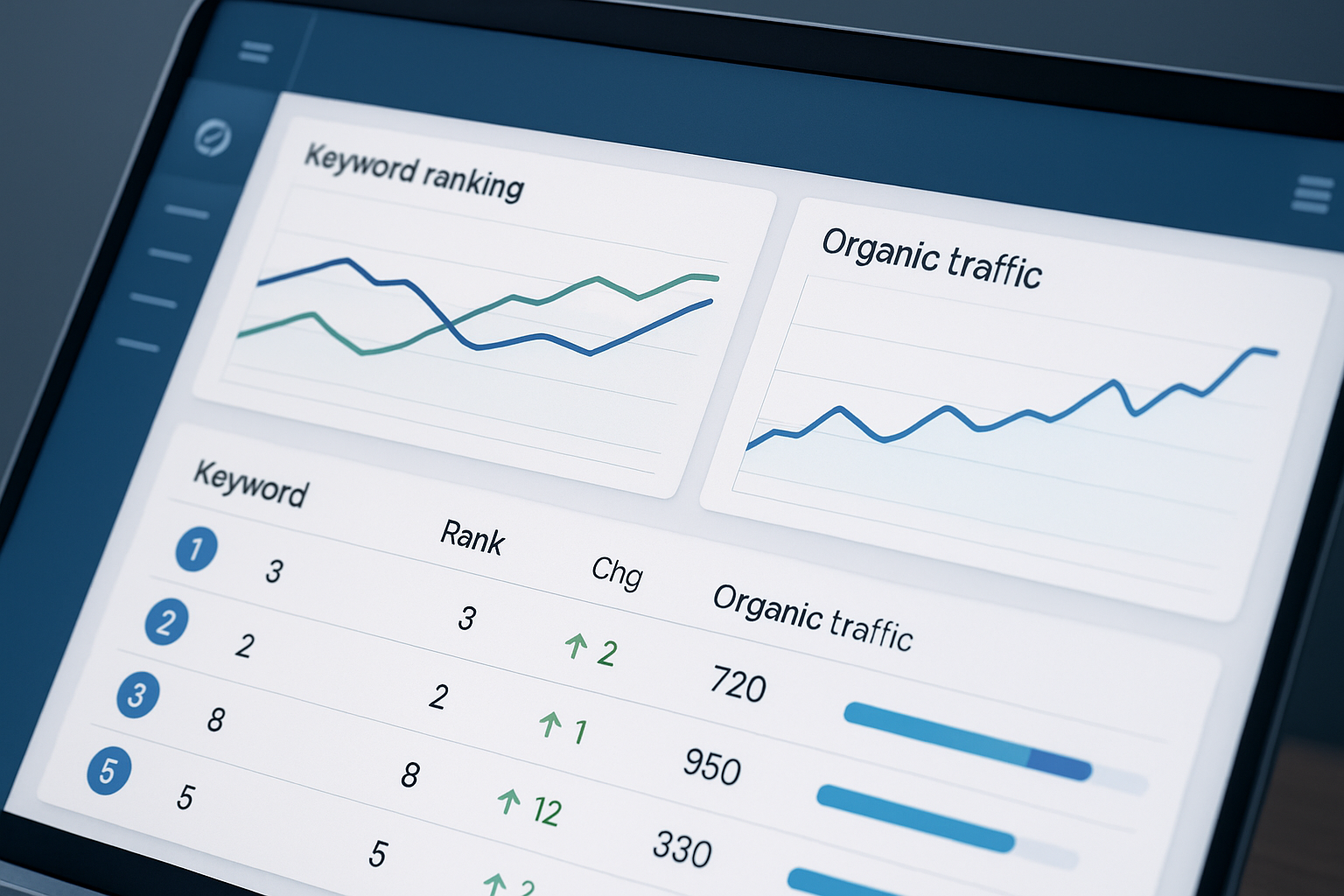
SEO software with keyword tracking and performance analytics is a category of digital tools designed to help businesses monitor their search rankings, measure organic traffic, and make data-driven decisions to improve visibility on Google and other search engines. These platforms combine rank tracking, competitor analysis, site auditing, and reporting into a single dashboard. Understanding what they offer — and how to choose the right one — can dramatically accelerate your SEO growth.
Studies show that businesses using dedicated SEO software see up to 53% more organic traffic growth compared to those relying on manual tracking methods alone. Keyword data without context is nearly useless — you need performance analytics to understand why rankings move and what actions to take next. The right platform turns raw data into a clear, actionable strategy.
The best way to choose SEO software is to align the tool’s features with your specific goals, whether that’s local SEO, e-commerce optimization, or content marketing at scale. Not every platform is built for every use case, and overpaying for features you never use wastes budget that could go toward content creation or link building. This guide breaks down exactly what to look for and which tools lead the market today.
What Is Keyword Tracking in SEO Software?
Keyword tracking is defined as the ongoing process of monitoring how specific search terms rank in search engine results pages (SERPs) over time for a given website. It tells you whether your SEO efforts are moving the needle or if a strategy needs to change. Most modern SEO software platforms update keyword positions daily or weekly depending on your subscription tier.
Good keyword tracking goes beyond simple position numbers. It also shows search volume, keyword difficulty, click-through rate (CTR) estimates, and SERP features like featured snippets or People Also Ask boxes. These data points together give you a full picture of each keyword’s opportunity and competitive landscape.
Advanced platforms also offer keyword grouping, which lets you cluster related terms together for more organized reporting. For agencies managing multiple clients, this feature alone saves hours of manual work every month. Tracking hundreds or thousands of keywords becomes manageable when they’re organized by topic, location, or campaign.
What Are Performance Analytics and Why Do They Matter?
Performance analytics is defined as the measurement and interpretation of SEO data points — including traffic, conversions, bounce rate, and ranking changes — to evaluate the effectiveness of an SEO campaign. Without performance analytics, you’re essentially flying blind, spending time and money on tactics that may not be working. This data layer transforms keyword positions from vanity metrics into business intelligence.
Performance analytics inside SEO software typically pulls data from multiple sources simultaneously. These include Google Search Console, Google Analytics 4, and the tool’s own crawling data. Combining these sources gives a more complete picture than any single integration alone could provide.
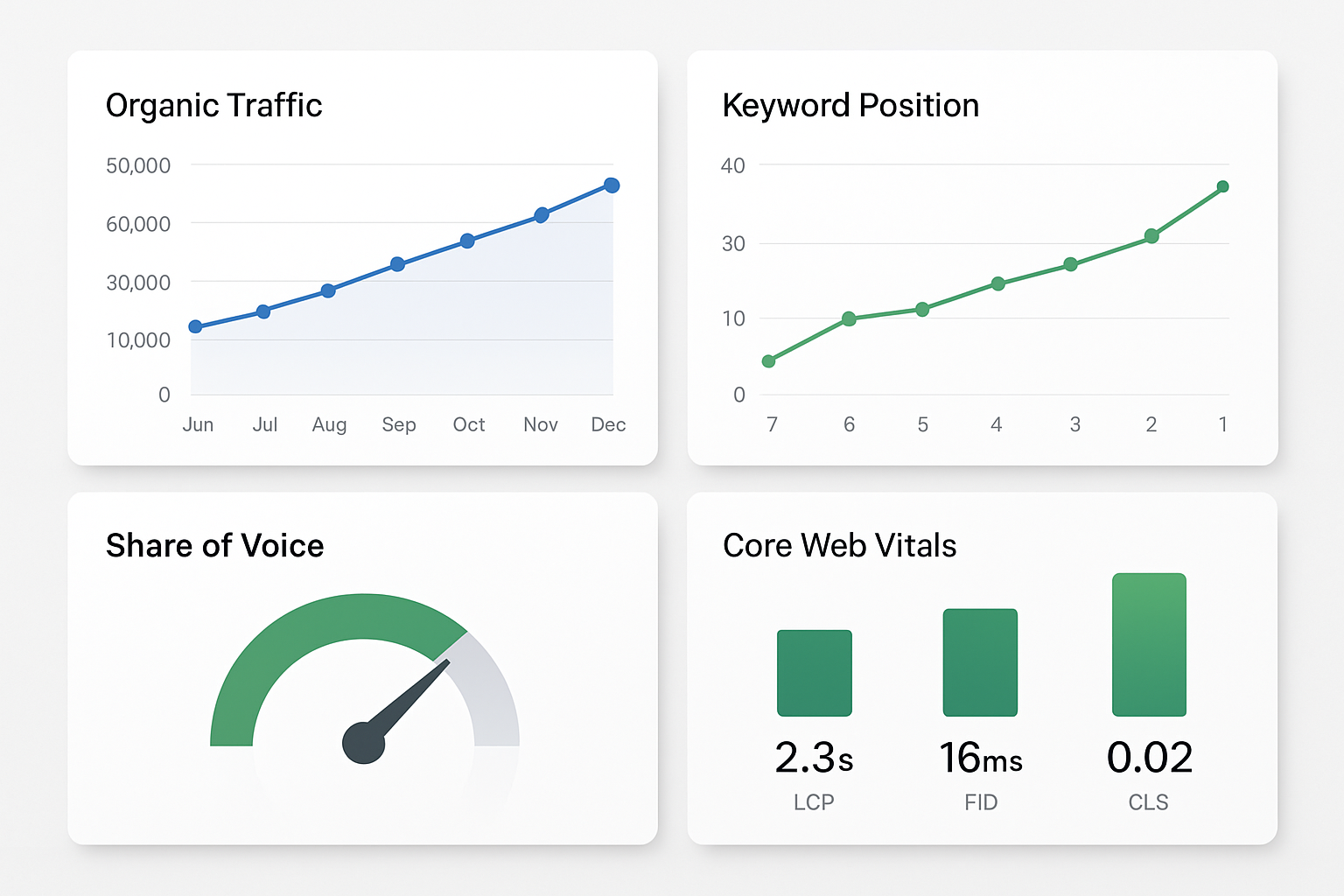
Key performance indicators (KPIs) tracked by these platforms include organic impressions, clicks, average position, crawl errors, backlink growth, and Core Web Vitals scores. Monitoring these KPIs consistently helps you identify trends before they become problems. For example, a sudden drop in impressions often signals a Google algorithm update or a technical issue like a broken sitemap.
How Does SEO Software with Keyword Tracking Work Step by Step?
Understanding the workflow of these tools helps you use them more effectively from day one. Here’s how most platforms operate once you set up your account:
- Project Setup: You add your website domain and connect Google Search Console and Google Analytics 4 for integrated data.
- Keyword Input: You enter the keywords you want to track, or import them from an existing list or your Search Console data.
- Competitor Configuration: You identify two to five competitors so the software can benchmark your rankings against theirs automatically.
- Crawling and Auditing: The software crawls your site to detect technical SEO issues like broken links, missing meta tags, or slow page speeds.
- Daily or Weekly Rank Checks: The platform checks your keyword positions on a set schedule and logs changes in a historical database.
- Reporting and Alerts: You receive automated reports and instant alerts when significant ranking changes occur.
Most platforms complete the initial setup in under 30 minutes for a new user. The learning curve is usually related to interpreting the data, not navigating the interface. Investing time in understanding your dashboard pays off quickly in smarter, faster decision-making.
Why Choose Dedicated SEO Software Over Free Tools?
Free tools like Google Search Console are powerful but limited in scope, historical data depth, and competitive intelligence. According to a 2025 industry survey by Databox, 68% of SEO professionals rated paid SEO software as “essential” or “highly important” to their workflow. Free tools are a starting point, but they rarely provide enough data for a competitive strategy.
Paid SEO software with keyword tracking and performance analytics offers several advantages that free tools simply cannot match:
- Deeper keyword data: Access to search volume, difficulty scores, and trend data not available in free tools
- Competitor tracking: See exactly which keywords your competitors rank for and where you’re losing ground
- Historical data: Track ranking changes over months or years to identify patterns and seasonality
- Automated reporting: Generate white-label reports for clients or stakeholders in minutes
- Technical SEO audits: Identify and prioritize site issues that are suppressing your rankings
- Backlink analysis: Monitor your link profile and spot toxic links before they cause penalties
The return on investment for a good SEO platform is typically measured in hours saved per week and organic revenue generated. A single keyword discovery that leads to a high-ranking article can generate thousands in revenue over its lifetime. That outcome alone often justifies an entire year of software subscription costs.
What Are the Best SEO Software Platforms with Keyword Tracking Available Today?
Several platforms lead the market in 2026, each with distinct strengths depending on your use case, team size, and budget. Here’s an honest overview of the top contenders:
Semrush
Semrush is widely considered the most comprehensive all-in-one SEO software with keyword tracking and performance analytics on the market. It tracks over 500 million keywords across 190 countries and provides daily rank updates for tracked terms. Its Position Tracking tool, combined with the Traffic Analytics module, makes it exceptionally powerful for competitive intelligence.
Ahrefs
Ahrefs is known for having the most robust backlink database in the industry, with over 35 trillion known links indexed as of 2025. Its Rank Tracker tool provides accurate daily keyword position monitoring with historical graphs. The Site Explorer feature gives deep insight into any domain’s organic traffic, top pages, and keyword portfolio.
Moz Pro
Moz Pro is a strong choice for small to mid-sized businesses looking for an approachable interface and reliable keyword tracking data. Its proprietary Domain Authority (DA) metric remains one of the most widely used SEO scoring systems in the industry. The Keyword Explorer provides volume, difficulty, and opportunity scores in a clean, beginner-friendly layout.
SE Ranking
SE Ranking offers flexible pricing and accurate rank tracking that rivals more expensive competitors. It’s particularly popular among freelancers and small agencies who need full functionality without enterprise-level pricing. The platform includes a white-label reporting module, making it ideal for client-facing SEO work.
Serpstat
Serpstat combines keyword research, rank tracking, backlink analysis, and site auditing into a cost-effective package. It’s a strong alternative for growing teams who want broad functionality at a lower price point than Semrush or Ahrefs. The cluster research tool is particularly useful for building topical authority through content planning.
How Should You Evaluate SEO Software Before Buying?
Choosing the wrong platform wastes money and creates data gaps that hurt your strategy. Use this checklist when evaluating any SEO software with keyword tracking and performance analytics:
- Accuracy of rank data: Test tracking on keywords you already know the position for and verify the tool’s output
- Keyword database size: Larger databases mean better coverage, especially for long-tail and niche terms
- Update frequency: Daily updates are critical for competitive niches; weekly may suffice for lower-competition markets
- Integration capability: Ensure it connects with Google Search Console, GA4, Google Ads, and your CMS
- Reporting flexibility: Look for customizable dashboards and exportable reports in PDF and CSV formats
- Customer support quality: Check review platforms like G2 and Capterra for support ratings before committing
- Trial availability: Most reputable platforms offer a 7 to 14-day free trial — always test before purchasing
Pricing ranges from approximately $49 per month for entry-level plans to over $500 per month for agency or enterprise tiers. The best approach is to start with the lowest tier that meets your current needs and upgrade as your keyword portfolio and client base grows. Avoid paying for keyword limits or features you won’t use within the first 90 days.
What Features Should You Prioritize for Performance Analytics?
Performance analytics features vary significantly between platforms, and knowing which ones matter most helps you avoid feature bloat. The three most impactful analytics features to prioritize are traffic trend visualization, ranking change alerts, and conversion attribution.
Traffic trend visualization shows you how organic sessions fluctuate over time alongside ranking data, so you can correlate content updates or link building efforts with real traffic outcomes. Ranking change alerts notify you immediately when a tracked keyword moves significantly up or down, allowing for faster response to algorithm changes or competitor moves. Conversion attribution connects keyword performance to actual business goals like form submissions, purchases, or phone calls.
Many platforms also offer share of voice reporting, which measures what percentage of total possible clicks in a keyword set your site is capturing. This metric is especially useful for competitive markets where gaining a full picture of market visibility matters more than individual keyword positions. Tracking share of voice monthly provides a high-level health check of your overall SEO program.
How Do You Get the Most Value from SEO Software with Analytics?
The most common mistake users make is tracking too many keywords without focusing on the ones most likely to drive revenue. Start by identifying your top 20 to 30 high-intent keywords and monitoring those before expanding your tracked set. Quality of insight matters far more than quantity of data.
Build a monthly review rhythm where you analyze ranking changes, update underperforming content, and adjust your keyword strategy based on what the performance analytics reveal. Consistent, scheduled reviews prevent the trap of checking data reactively only when something goes wrong. Proactive analysis is where the real competitive advantage lives.
Connect your SEO software to your content calendar so that every article or page you publish has clear keyword targets and success metrics defined in advance. This creates accountability and makes it easy to measure the ROI of individual content investments. Teams that operate this way typically see compounding results within six to twelve months of consistent execution.
Frequently Asked Questions
What is the difference between keyword tracking and keyword research in SEO software?
Keyword research is the process of discovering new terms to target, while keyword tracking monitors how your website ranks for chosen keywords over time. Both features are often included in the same SEO software platform but serve different strategic purposes.
How often should SEO software update keyword rankings?
For competitive industries, daily keyword rank updates are ideal so you can respond quickly to algorithm changes or competitor moves. For less competitive niches or smaller sites, weekly updates are typically sufficient and often available at lower subscription tiers.
Can SEO software with performance analytics replace Google Search Console?
No — SEO software complements Google Search Console rather than replacing it, as Search Console provides first-party data directly from Google that no third-party tool can fully replicate. The best approach is to integrate both so the software displays GSC data alongside its own tracking metrics.
How many keywords should I track in my SEO software dashboard?
Most SEO professionals recommend starting with 50 to 150 high-priority keywords and expanding as your strategy matures, rather than importing thousands of terms at once. Focused tracking leads to more actionable insights and cleaner performance reporting.
Is SEO software with keyword tracking worth the cost for small businesses?
Yes — even entry-level plans starting around $49 to $99 per month provide enough keyword tracking and analytics capability to meaningfully improve a small business’s SEO results. The time saved in manual reporting and the insights gained typically deliver a positive return on investment within the first three months.
Conclusion: Make Smarter SEO Decisions with the Right Software
SEO software with keyword tracking and performance analytics is no longer optional for businesses serious about organic growth — it’s foundational infrastructure for any modern digital marketing strategy. The platforms available today give you unprecedented visibility into your rankings, your competitors, and the actions that will move the needle most. Choosing the right tool and using it consistently is what separates businesses that dominate search results from those that struggle to be found.
Start by identifying your top priority keywords, connect your Google Search Console and GA4 accounts, and commit to reviewing your performance data on a regular monthly schedule. Small, consistent actions informed by real data compound into significant ranking improvements over time. The investment in the right SEO software pays for itself many times over when it guides you toward the content and optimizations your audience is actively searching for.
Ready to take your search rankings to the next level? Start a free trial with one of the leading SEO software platforms mentioned in this guide, track your most important keywords from day one, and let the performance analytics show you exactly where your biggest growth opportunities are hiding. Your competitors are already using these tools — now it’s your turn.