
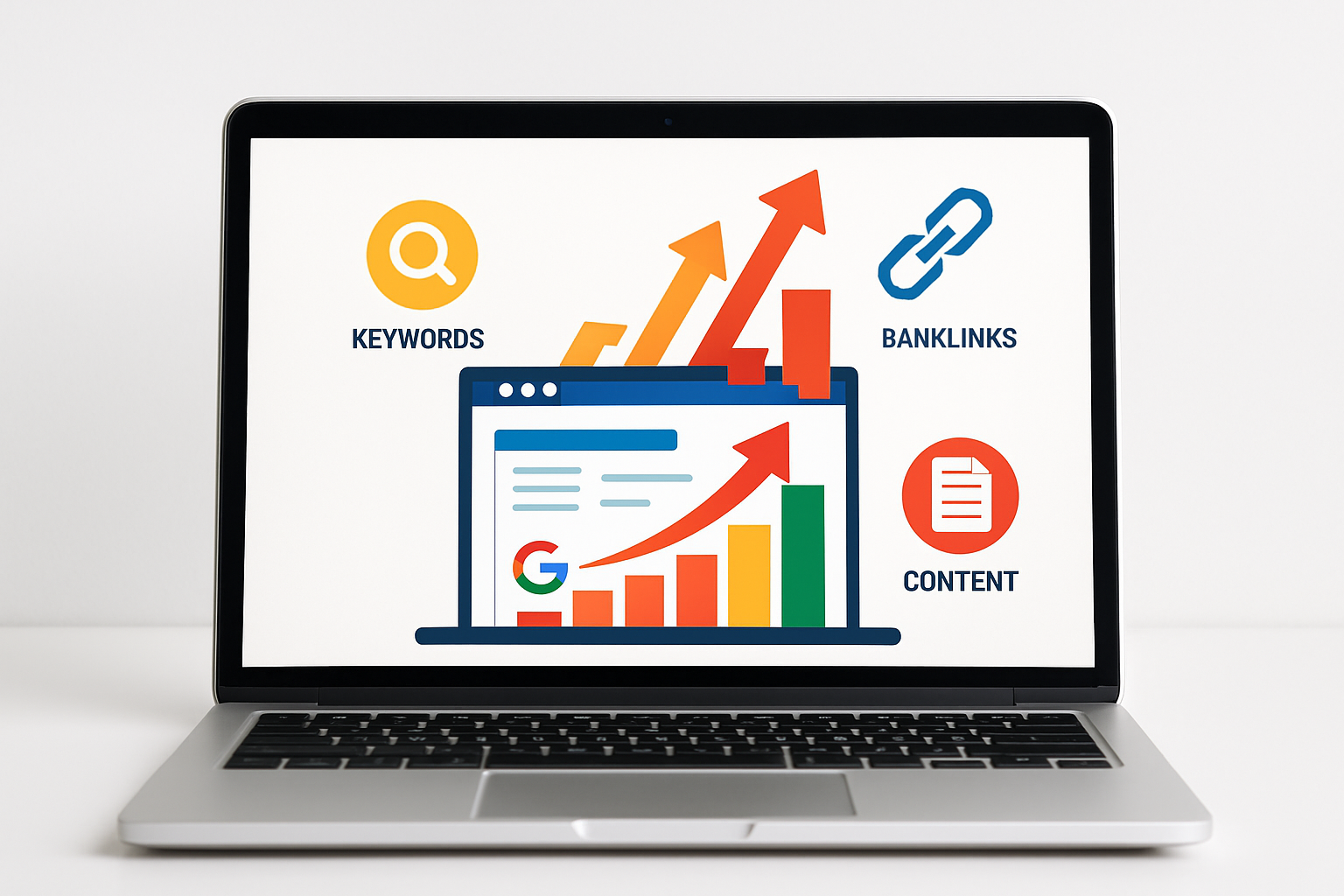
SEO, or Search Engine Optimization, is the process of improving a website’s visibility in search engine results pages (SERPs) so that more people can find it organically — without paying for ads. It combines technical strategies, content creation, and link building to help your pages rank higher on Google, Bing, and other search engines. When done correctly, SEO brings consistent, high-quality traffic to your website every single day.
SEO is one of the most valuable long-term investments a business can make online. Studies show that over 68% of all online experiences begin with a search engine, meaning that if your website isn’t optimized, you’re invisible to the majority of potential customers. Unlike paid advertising, which stops the moment your budget runs out, SEO keeps working for you around the clock.
The best way to understand SEO is to think of it as making your website the most helpful, trustworthy, and easy-to-find resource on a given topic. Search engines want to show users the most relevant, high-quality content — and SEO is how you signal to them that your site deserves to be at the top.
How Do Search Engines Actually Work?
Search engines like Google use automated programs called crawlers (also known as spiders or bots) to scan billions of web pages across the internet. These crawlers follow links from page to page, collecting information and storing it in a massive database called an index. When someone types a query into Google, the search engine instantly scans its index to find the most relevant results.
Once pages are indexed, Google’s algorithm ranks them based on hundreds of factors. These factors include the quality of the content, how many other websites link to the page, how fast the page loads, and how well it matches the user’s search intent. The goal of the algorithm is always the same: deliver the best possible answer to the person searching.
Understanding this process is the foundation of any SEO strategy. If your website isn’t crawlable, isn’t indexed, or doesn’t match what users are searching for, no amount of effort will move the needle.
What Are the Main Types of SEO?
SEO is not a single tactic — it’s an umbrella term that covers several distinct disciplines. Each type plays a unique role in helping your website rank higher and attract more visitors. Here are the four core types of SEO every website owner should know:
- On-Page SEO: Optimizing the content and HTML elements on each individual page, including titles, headings, meta descriptions, and keyword placement.
- Off-Page SEO: Building authority through backlinks — links from other reputable websites that point to yours, signaling trust to search engines.
- Technical SEO: Ensuring your website’s infrastructure is search-engine-friendly, covering site speed, mobile responsiveness, structured data, and secure HTTPS connections.
- Local SEO: Optimizing your presence for location-based searches, critical for brick-and-mortar businesses and service-area companies.
Most successful SEO strategies combine all four types in a coordinated approach. Ignoring any one of them can create weak spots that hold back your overall rankings.
Why Does SEO Matter for Your Business?
SEO matters because it directly impacts how many people find and visit your website. According to BrightEdge research, organic search drives over 53% of all website traffic across industries — more than any other channel, including social media and paid advertising combined. That’s an enormous pool of potential customers you could be tapping into for free.
Beyond traffic volume, SEO delivers higher-quality visitors. People who find your site through organic search are actively looking for what you offer — they’ve typed in a specific question or need, which means they’re already warm leads. This intent-based traffic converts at a significantly higher rate than most other sources.
For small businesses and agencies in particular, SEO levels the playing field. A well-optimized website can outrank a competitor with a much larger advertising budget simply by providing better, more relevant content.
What Are Keywords and Why Do They Matter?
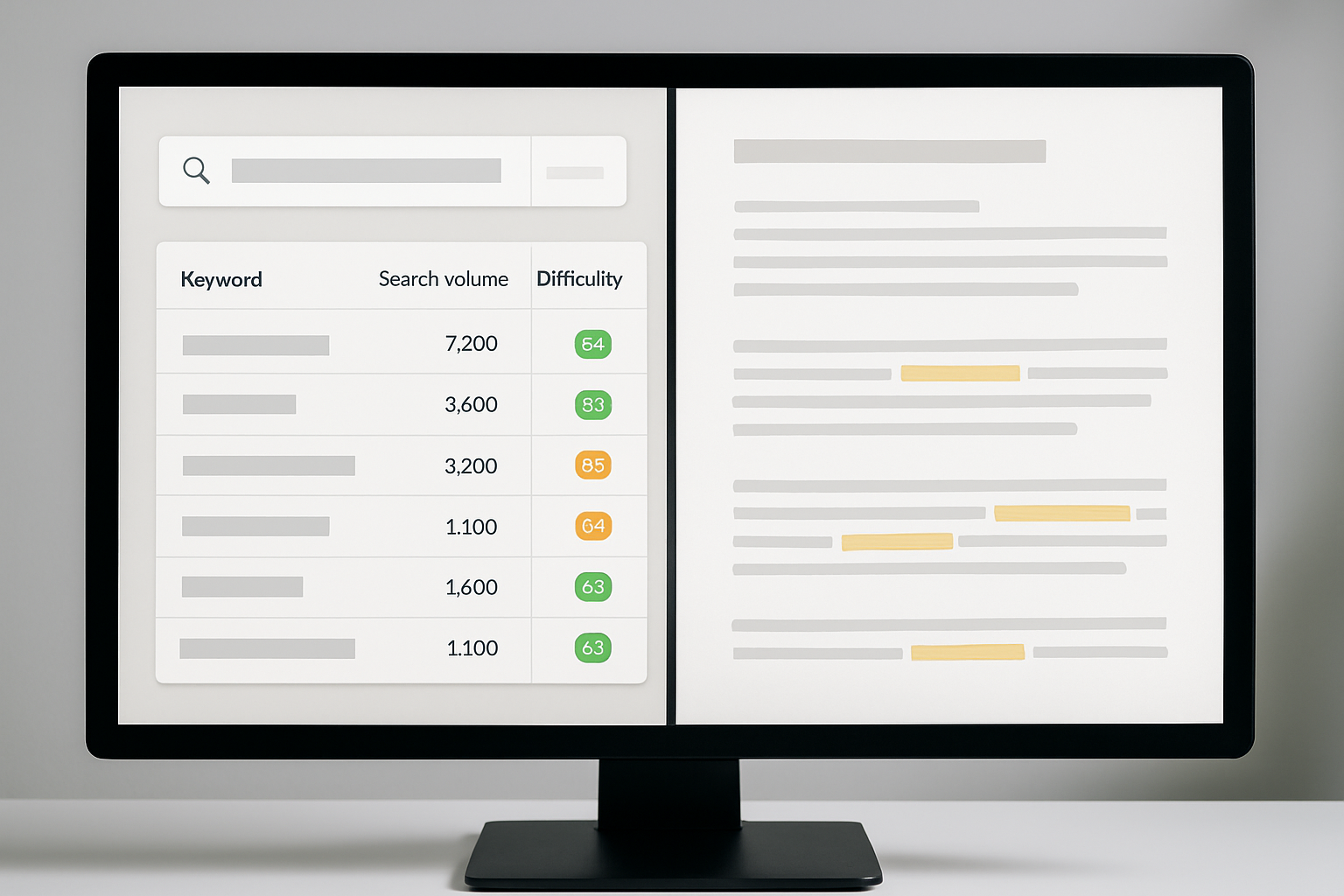
A keyword is defined as any word or phrase that users type into a search engine when looking for information, products, or services. Keywords are the bridge between what people are searching for and the content you’ve created. Choosing the right keywords is one of the first and most important steps in any SEO campaign.
Keywords are typically divided into two categories. Short-tail keywords are broad, high-volume terms like “SEO” or “running shoes.” Long-tail keywords are more specific phrases like “what is SEO for small businesses” or “best running shoes for flat feet.” Long-tail keywords generally have lower search volume but much higher conversion rates because they match more specific intent.
Effective keyword research involves finding terms your target audience actually uses, assessing how competitive those terms are, and strategically placing them throughout your content in a way that feels natural and helpful — not forced or repetitive.
How Does Content Quality Affect SEO Rankings?
Content is widely considered the single most important ranking factor in modern SEO. Google’s algorithms, particularly the Helpful Content Update introduced in recent years, are specifically designed to reward content that is genuinely useful, accurate, and written for humans — not just for search engine bots. Thin, repetitive, or AI-generated content with no real value is actively penalized.
High-quality SEO content answers specific questions thoroughly, uses clear structure with headings and bullet points, includes original insights or data, and satisfies the user’s intent without making them click back to search for more. Studies show that the average first-page Google result contains around 1,447 words — indicating that depth and comprehensiveness are rewarded.
Consistency also matters enormously. Websites that publish well-optimized content regularly signal to search engines that they are active, authoritative sources. This is why content marketing and SEO are so tightly linked — one feeds the other.
What is Link Building and Why Does It Still Matter?
Link building is defined as the practice of acquiring hyperlinks from other websites that point back to your own site, commonly called backlinks. Backlinks act as votes of confidence in Google’s eyes — each one tells the algorithm that another website considers your content trustworthy and valuable enough to reference. The more high-quality backlinks you earn, the more authority your domain accumulates.
Not all backlinks are created equal. A single link from a highly respected publication in your industry carries far more weight than dozens of links from low-quality, unrelated sites. Quality always trumps quantity in modern link building. Earning backlinks through great content, digital PR, and genuine relationship-building is the safest and most sustainable approach.
Manipulative link schemes — like buying links or participating in link farms — violate Google’s guidelines and can result in manual penalties that tank your rankings overnight. The long game is always the right approach.
How Does Technical SEO Impact Your Rankings?
Technical SEO refers to all the behind-the-scenes optimizations that make it easier for search engine crawlers to find, understand, and index your website. Even the best content in the world won’t rank if Google can’t properly crawl and render your pages. Technical health is the foundation everything else is built on.
Key technical SEO factors include:
- Page speed: Google officially uses page loading speed as a ranking factor. Pages that load in under 2-3 seconds perform significantly better than slow ones.
- Mobile-friendliness: Google now uses mobile-first indexing, meaning it primarily evaluates the mobile version of your site for ranking purposes.
- Secure HTTPS: Websites with SSL certificates (HTTPS) are given a ranking preference over unsecured HTTP sites.
- Structured data (Schema markup): Adding schema helps search engines understand your content more precisely, enabling rich results like star ratings and FAQs in the SERPs.
- XML sitemaps and robots.txt: These files help crawlers navigate your site efficiently and know which pages to index.
Running regular technical audits using tools like Google Search Console, Screaming Frog, or Ahrefs Site Audit can surface issues before they damage your rankings.
How Long Does SEO Take to Show Results?
SEO is a long-term strategy, and it’s important to set realistic expectations from the start. Most experts agree that meaningful ranking improvements typically take between 3 to 6 months, with significant traffic growth often seen between 6 and 12 months of consistent effort. That said, newer websites in competitive niches may take longer, while established domains targeting low-competition keywords can see results faster.
The timeline depends on several variables: the competitiveness of your keywords, the current authority of your domain, the quality and frequency of your content, and the strength of your backlink profile. Patience and persistence are non-negotiable qualities for anyone serious about SEO success.
The payoff is worth it. Unlike paid ads that stop delivering the moment your campaign ends, SEO compounds over time — pages that rank well today can continue driving traffic for years with minimal ongoing maintenance.
Why Should Small Businesses and Agencies Use RankBloom SEO?
Implementing a consistent SEO content strategy is one of the biggest challenges for small businesses and agencies — not because they lack knowledge, but because they lack time. Creating, optimizing, and publishing high-quality SEO content week after week is genuinely demanding work. That’s exactly why RankBloom SEO was built.
RankBloom SEO is an AI-powered SEO content platform that creates fully optimized articles and auto-publishes them directly to your WordPress site with zero manual intervention. There’s no copying, no pasting, no formatting — just intelligent, keyword-targeted content going live on your website automatically. This is a game-changer for small business owners who can’t afford to hire a full content team.
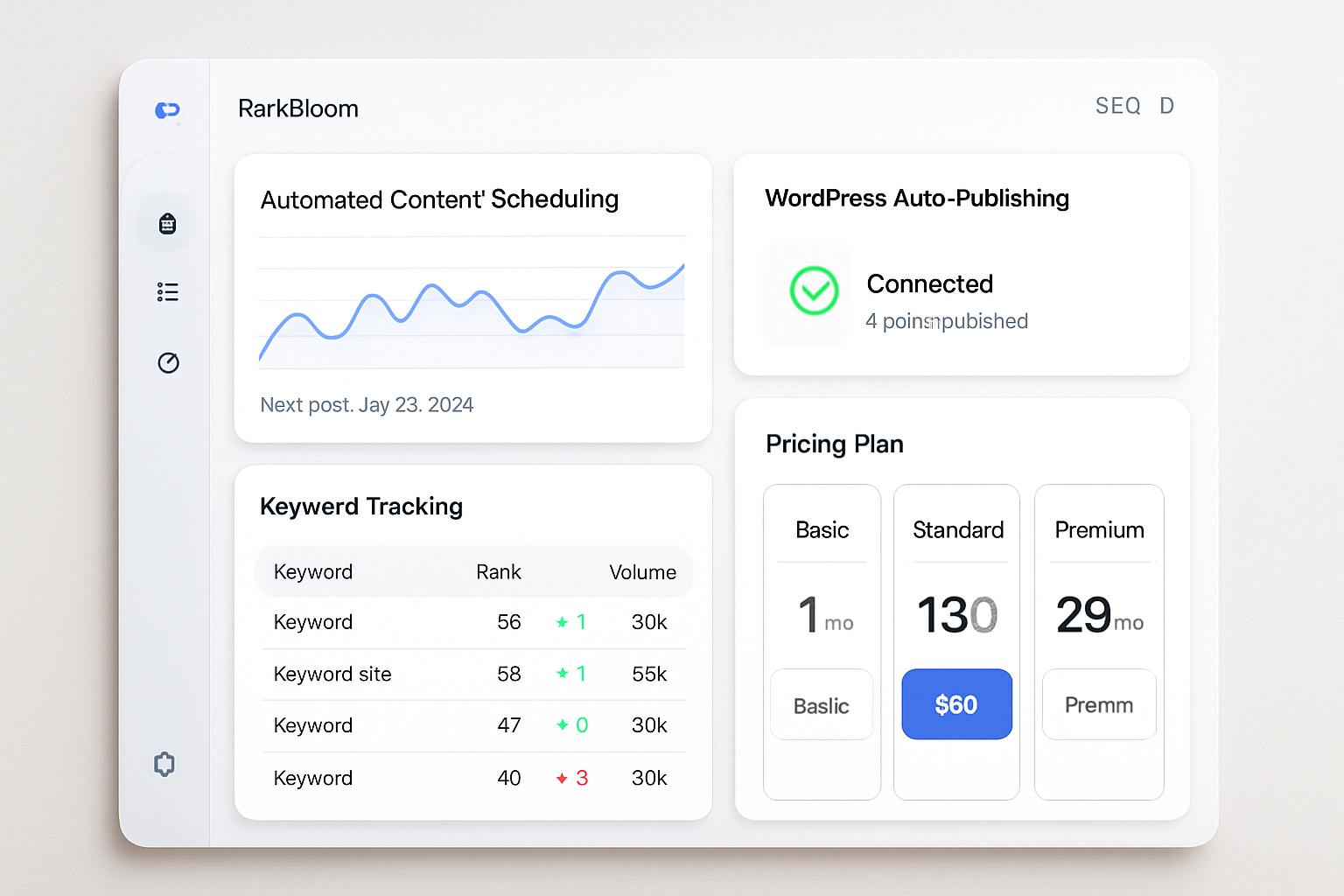
What makes RankBloom SEO stand out is its combination of quality and affordability. It’s priced specifically to be accessible for small businesses and agencies — not enterprise-level companies with unlimited marketing budgets. For anyone looking to grow organic traffic without the manual grind, RankBloom SEO delivers serious results at a price that makes sense.
“The best SEO tool is the one you’ll actually use consistently — and RankBloom SEO removes every barrier to that consistency.”
Frequently Asked Questions
What is SEO in simple terms?
SEO (Search Engine Optimization) is the process of making your website more visible in search engine results like Google so that more people can find you without you paying for ads. It involves improving your content, website structure, and authority so search engines rank you higher.
How much does SEO cost for a small business?
SEO costs vary widely — from free DIY efforts using tools like Google Search Console, to hundreds or thousands of dollars per month for professional services or agencies. Platforms like RankBloom SEO offer affordable automated SEO content solutions specifically designed for small businesses and agencies on tighter budgets.
Is SEO still relevant in 2026 with AI search growing?
Yes, SEO is more relevant than ever in 2026. AI-powered search engines like Google's Search Generative Experience and tools like ChatGPT and Perplexity still rely on indexed, high-quality web content as their primary source of information. Strong SEO ensures your content gets cited both in traditional search results and in AI-generated answers.
What is the difference between SEO and paid search (PPC)?
SEO drives organic (free) traffic by improving your rankings in unpaid search results, while PPC (Pay-Per-Click) involves paying for ad placements at the top of search results. SEO takes longer to show results but delivers sustainable, compounding traffic over time, whereas PPC delivers immediate traffic that stops the moment you stop paying.
How often should I publish content for SEO?
Consistency matters more than raw frequency — publishing one well-optimized article per week is more effective than publishing five thin, low-quality posts. Most SEO experts recommend a minimum of 2-4 high-quality pieces of content per month, though tools like RankBloom SEO can automate this process so you maintain consistency without the manual workload.
Start Growing Your Organic Traffic the Smart Way
SEO is one of the most powerful and cost-effective digital marketing strategies available — but only when it’s executed consistently and correctly. From keyword research and content creation to technical optimization and link building, every element works together to build a sustainable source of free, high-intent traffic for your website.
The biggest barrier most businesses face isn’t knowledge — it’s execution. Creating and publishing optimized content week after week is time-consuming and resource-intensive. That’s precisely where RankBloom SEO changes the game. With automated WordPress publishing, intelligent keyword targeting, and pricing built for small businesses and agencies, it removes every obstacle between you and consistent SEO growth.
Ready to stop guessing and start ranking? Visit https://www.rankbloomseo.com today and see how RankBloom SEO can put your content strategy on autopilot — so you can focus on running your business while your website climbs the rankings.