
Search engine ranking is the position your website holds on a results page when someone searches for a keyword related to your content, product, or service. The higher your ranking, the more likely people are to visit your site, trust your brand, and convert into customers. Understanding how to improve search engine ranking is one of the most valuable skills any website owner, marketer, or business can develop in today’s digital landscape.
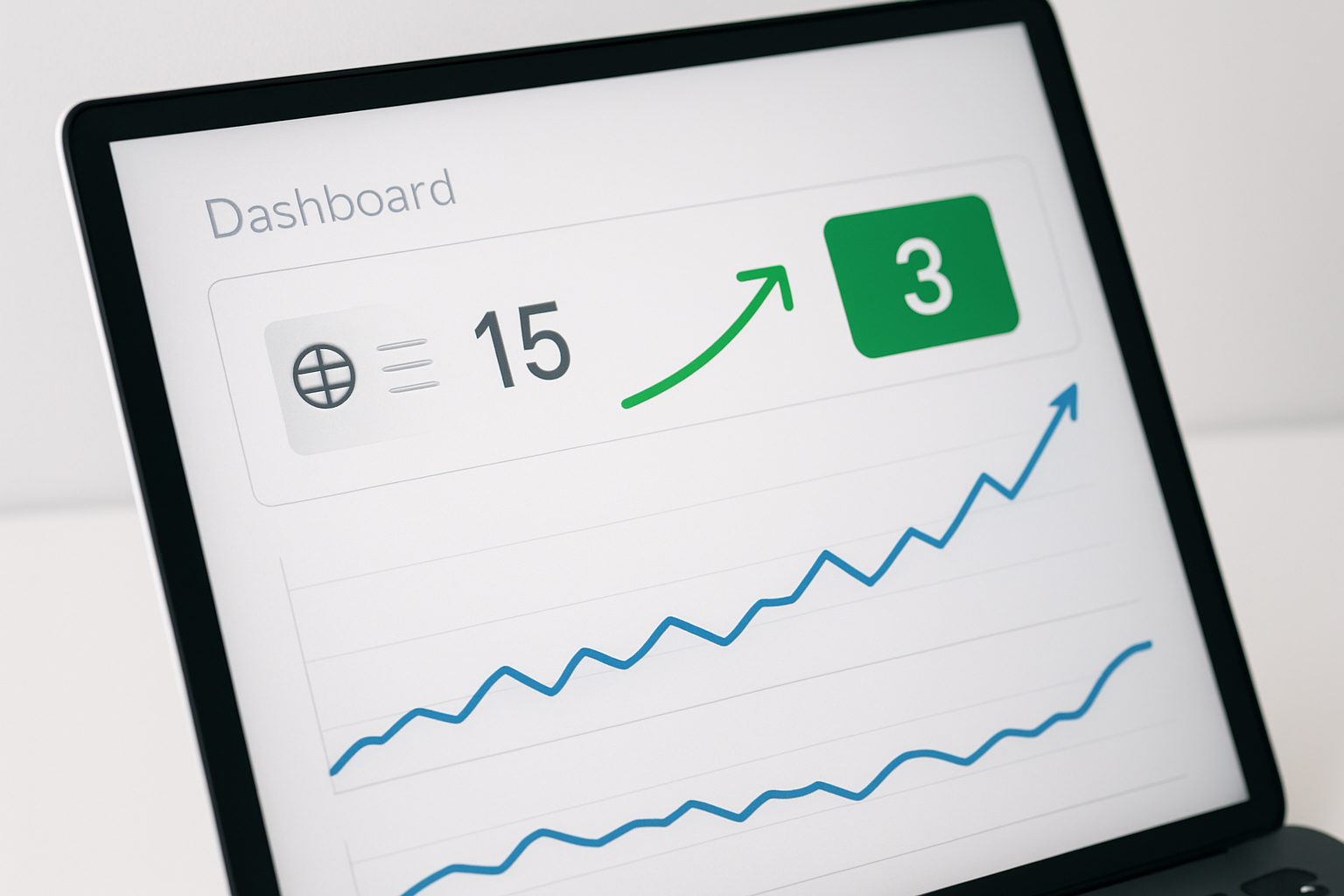
Studies show that the first result on Google receives approximately 27.6% of all clicks, while results beyond the first page receive less than 1% of total traffic. This means that ranking on page two is practically invisible to most searchers. If your website is buried in results, you are missing out on a massive, consistent stream of free, organic traffic.
The good news is that improving your search engine ranking is entirely achievable with the right approach. This article walks you through the most effective, up-to-date strategies for climbing the rankings — from technical foundations to content quality, link building, and modern AI-assisted optimization.
What Is Search Engine Ranking and Why Does It Matter?
Search engine ranking is defined as the position a webpage occupies in organic (non-paid) search results for a specific query. Rankings are determined by complex algorithms that evaluate hundreds of factors to decide which pages best answer a user’s search intent. Google, the dominant search engine with over 90% of global market share, updates these algorithms thousands of times per year.
Rankings matter because organic search is consistently the highest-converting and most cost-effective traffic channel for most websites. Unlike paid advertising, a strong ranking continues to drive traffic without ongoing spend. Businesses that invest in SEO often see compounding returns over time, as each improvement builds on the last.
If you are new to this topic, reading a foundational resource on what SEO is and how it works to grow your website traffic will give you important context before diving into advanced tactics. Understanding the basics makes every strategy in this guide easier to implement effectively.
How Does On-Page SEO Help You Rank Higher?
On-page SEO is defined as the practice of optimizing individual web pages to rank higher and earn more relevant traffic from search engines. It covers everything that appears directly on your page — from your title tag and headings to your content, images, and internal links. Getting on-page SEO right is the single most controllable factor in your ranking performance.
How Should You Optimize Your Title Tags and Meta Descriptions?
Your title tag is the clickable headline that appears in search results and is one of the strongest on-page ranking signals. It should include your primary keyword naturally, ideally near the beginning, and stay within 55–60 characters. A compelling title tag also improves click-through rate, which indirectly boosts your ranking over time.
Your meta description is a short summary of your page that appears below the title in search results. While it is not a direct ranking factor, a well-written meta description significantly increases the likelihood that searchers will click your result. Aim for 150–160 characters and include a clear benefit or call to action.
How Do Header Tags and Content Structure Affect Rankings?
Search engines use header tags (H1, H2, H3) to understand the structure and hierarchy of your content. Your H1 should contain your primary keyword and clearly describe the page’s topic. Subsequent headers should organize your content logically and incorporate related, secondary keywords naturally.
Content structure affects both rankings and user experience. Pages that are easy to scan and navigate tend to have lower bounce rates and higher engagement — both positive signals to search engines. Use bullet points, numbered lists, and short paragraphs to make your content digestible for both humans and crawlers.
Why Does Content Quality Matter More Than Ever for Search Rankings?
Content quality is the most important long-term factor in how to improve search engine ranking. Search engines have become remarkably sophisticated at identifying content that genuinely helps users versus content that merely tries to game the algorithm. Google’s Helpful Content system, which has been refined extensively, actively rewards content created for people first and penalizes content created primarily for search engines.
The best way to create content that ranks is to address your audience’s real questions thoroughly, accurately, and in a way that is easier to understand than what already exists on page one. This means going deeper than surface-level explanations, including examples, data, and actionable steps. Thin content — pages with little original insight or value — consistently underperforms in modern search results.
How Do You Find the Right Keywords to Target?
Keyword research is the process of identifying the specific terms and phrases your target audience types into search engines. Effective keyword research helps you create content that aligns with actual search demand, rather than guessing what people want. Focus on a mix of high-volume broad keywords and lower-competition long-tail phrases that reflect specific user intent.
Long-tail keywords are search phrases that are typically three or more words long and reflect a highly specific intent. For example, “how to improve search engine ranking for a small business blog” is a long-tail keyword. These phrases often convert better because the searcher has a clear goal in mind when they type them.
- Target keywords with clear intent (informational, navigational, transactional)
- Prioritize topics where your site can realistically compete based on domain authority
- Include semantic variations and related phrases naturally throughout your content
- Use keyword data to plan a content calendar that covers your niche systematically
- Revisit and update existing content when keyword trends shift
How Does Technical SEO Impact Your Search Engine Ranking?
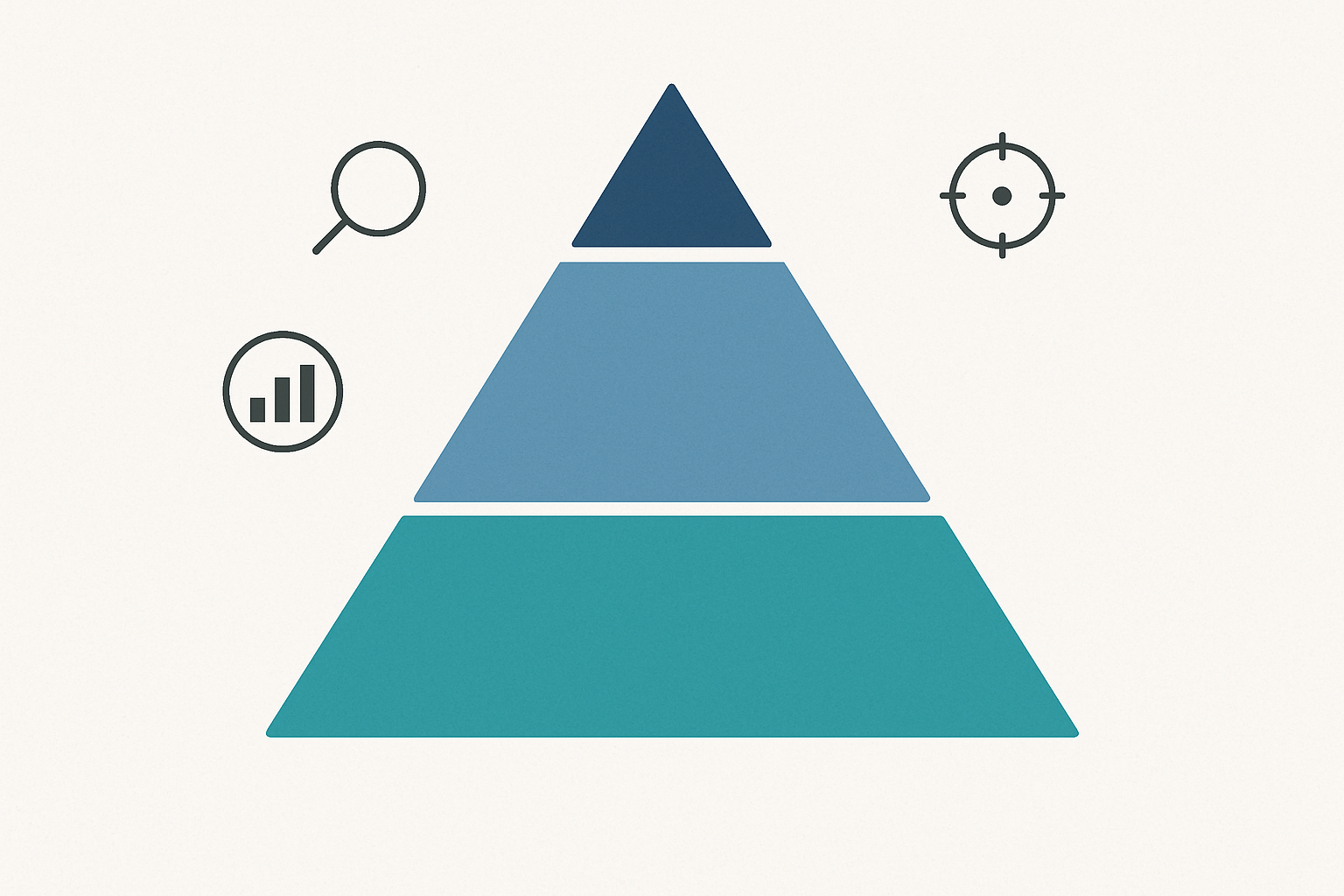
Technical SEO is defined as the process of optimizing the infrastructure of your website so that search engines can efficiently crawl, index, and understand your content. Even the best content will struggle to rank if technical issues prevent search engines from accessing or properly evaluating your pages. Technical SEO forms the foundation everything else is built upon.
Why Is Page Speed a Critical Ranking Factor?
Page speed is a confirmed Google ranking factor, both for desktop and mobile search. Studies show that pages loading in under two seconds have significantly lower bounce rates than those that take four or more seconds. Slow pages frustrate users and send negative engagement signals to search engines, pushing your rankings down.
To improve page speed, compress images before uploading, enable browser caching, minimize JavaScript and CSS files, and use a content delivery network (CDN) if your audience is geographically distributed. Tools built into Google’s Search Console and PageSpeed Insights give you specific, actionable recommendations for your site. Prioritizing your slowest pages first delivers the greatest ranking benefit.
How Does Mobile-Friendliness Affect Rankings?
Mobile-first indexing means Google primarily uses the mobile version of your site for ranking and indexing. As of 2026, over 60% of all web searches are conducted on mobile devices, making mobile optimization non-negotiable for any site aiming to rank well. A site that works beautifully on desktop but breaks on mobile will be penalized in rankings.
Use Google’s Mobile-Friendly Test to check your current status and identify issues. Ensure fonts are readable without zooming, buttons are large enough to tap easily, and content does not overflow the screen. A responsive design that automatically adjusts to any screen size is the most reliable solution.
What Role Does Site Architecture Play in Rankings?
Site architecture refers to how your pages are organized and linked to one another. A clean, logical architecture helps search engine crawlers discover all your pages efficiently. It also distributes link authority (often called “PageRank”) more evenly across your site, helping more pages rank well.
Aim for a flat architecture where every important page is reachable within three clicks from your homepage. Use descriptive, keyword-rich URLs that clearly indicate what a page is about. Eliminate duplicate content, fix broken links, and submit an updated XML sitemap to Google Search Console regularly.
Why Are Backlinks Still One of the Most Powerful Ranking Factors?
Backlinks are defined as links from external websites that point to your pages. Search engines interpret backlinks as votes of confidence — the more authoritative sites that link to you, the more trustworthy and relevant your content appears in the eyes of the algorithm. Despite countless algorithm updates, backlinks remain among the top three ranking factors according to industry research.
Quality matters far more than quantity when it comes to backlinks. A single link from a high-authority, relevant website is worth more than dozens of links from low-quality, unrelated sites. Focus your link-building efforts on earning genuine editorial links through valuable content, digital PR, and relationship building within your industry.
- Create linkable assets — original research, data studies, or comprehensive guides that others naturally want to reference
- Guest posting — contribute expert articles to reputable publications in your niche
- Digital PR — pitch data-driven stories or expert commentary to journalists and bloggers
- Broken link building — find broken links on relevant sites and offer your content as a replacement
- Reclaim unlinked mentions — reach out when your brand is mentioned without a link and request one
How Can User Experience Signals Improve Your Rankings?
User experience (UX) signals are behavioral metrics that indicate how real users interact with your site after finding it in search results. Google uses signals like click-through rate, dwell time, and bounce rate as indirect measures of content quality and relevance. A page that keeps visitors engaged for longer tends to rank better than one they immediately abandon.
Improving UX starts with delivering exactly what your page title and meta description promise. If a user clicks your result expecting a specific answer and lands on a page that buries it under advertisements or irrelevant content, they will leave immediately. Match your content to intent, load your page fast, and make navigation intuitive to keep users engaged.
Internal linking is another UX and ranking strategy often underestimated. Thoughtful internal links guide visitors to related content, increasing time on site and helping distribute authority across your pages. For beginners looking to build a strong foundation, exploring SEO tips for beginners on how to rank higher and drive real organic traffic provides an excellent starting framework.
How Does AI and Modern Technology Help Improve Search Engine Rankings Faster?
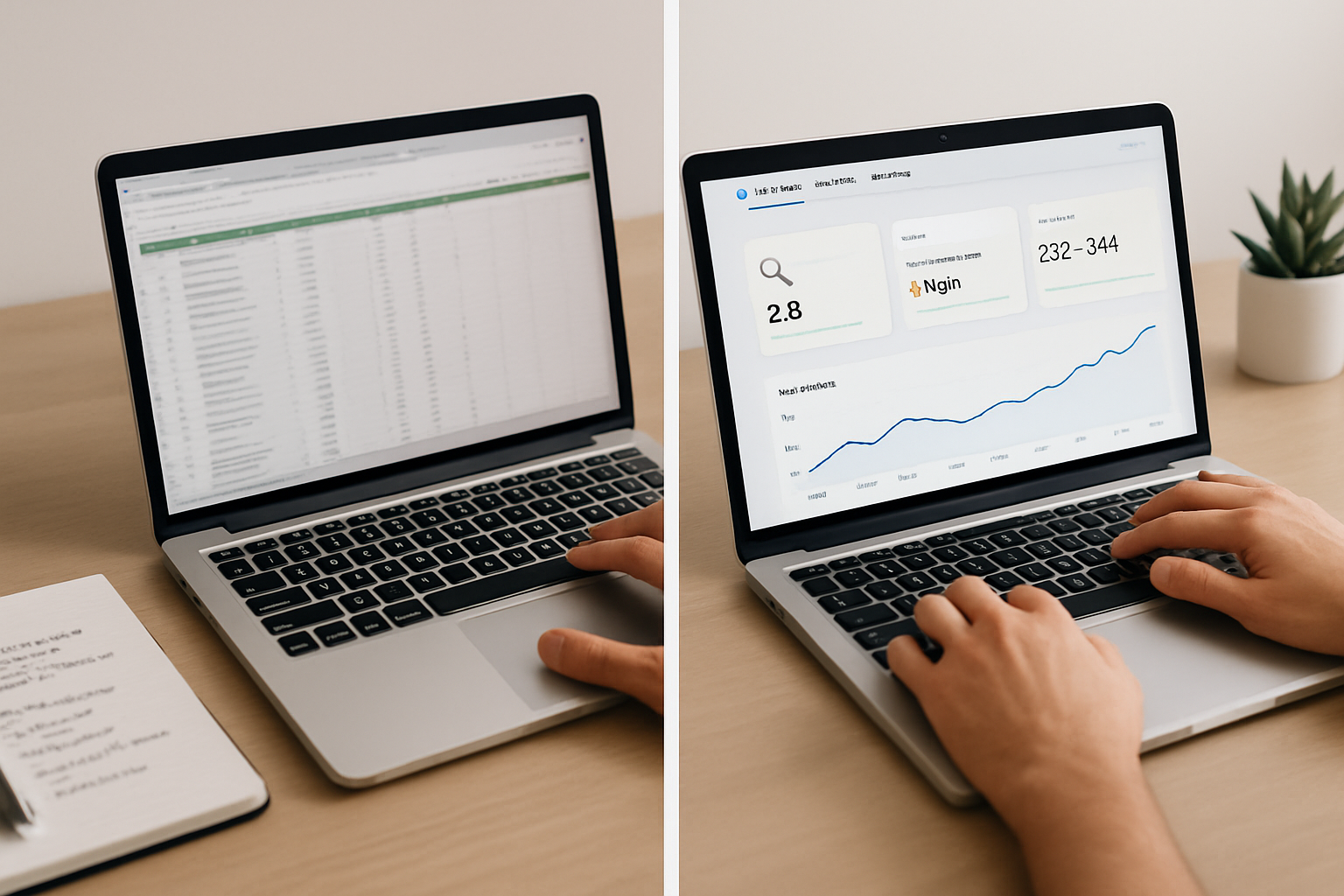
Artificial intelligence has fundamentally changed how SEO work is done in 2026. Traditional SEO tools often required manual data analysis, hours of keyword research, and guesswork about what changes would actually move rankings. Modern AI-powered platforms automate the most time-consuming tasks and surface insights that would take experienced professionals days to identify manually.
AI-powered SEO software can analyze your entire site’s technical health, identify content gaps, predict which keywords you are most likely to rank for, and recommend on-page changes based on what is actually working for top-ranking competitors. This dramatically shortens the time between optimization work and measurable ranking improvements. The efficiency gain is especially significant for small teams and growing businesses.
Research shows that websites using AI-assisted SEO workflows see an average of 3x faster ranking improvements compared to those relying on traditional manual processes alone. This acceleration comes from AI’s ability to process vast data sets and identify patterns invisible to human analysis. The competitive advantage of early adoption in this space is still substantial in 2026.
What Are the Most Common Mistakes That Hurt Search Engine Rankings?
Many websites plateau in their rankings not because they lack good content, but because of avoidable technical and strategic mistakes. Understanding these pitfalls helps you avoid the same traps that hold competitors back. Fixing even one or two of these issues can produce noticeable ranking improvements relatively quickly.
- Keyword stuffing — forcing keywords unnaturally into content triggers spam filters and degrades readability
- Ignoring search intent — ranking for a keyword you cannot satisfy with your current content format leads to high bounce rates
- Neglecting existing content — outdated pages with stale information lose rankings over time without regular updates
- Duplicate content — multiple pages targeting the same keyword compete with each other and dilute ranking signals
- No HTTPS — unsecured sites are flagged by browsers and deprioritized by Google
- Ignoring local SEO — businesses with physical locations miss significant ranking opportunities without a Google Business Profile
- Poor Core Web Vitals scores — failing Google’s page experience metrics hurts rankings, especially in competitive niches
How Do You Track and Measure Your Search Engine Ranking Progress?
Tracking your ranking progress is essential for knowing whether your SEO efforts are working and where to focus next. Without measurement, you are optimizing blind. The key metrics to monitor regularly include keyword positions, organic traffic volume, click-through rates, and conversions from organic search.
Google Search Console is a free, essential tool that shows you exactly which queries are bringing impressions and clicks to your site. It also surfaces technical issues, indexing problems, and Core Web Vitals data. Setting up Search Console and reviewing it weekly is a non-negotiable habit for any serious SEO effort.
Beyond Google’s free tools, dedicated keyword tracking software that monitors rankings and grows your organic traffic gives you far more granular, automated data on your ranking positions over time. Automated rank tracking removes the manual work of checking positions and alerts you to significant changes before they become serious problems.
Frequently Asked Questions
How long does it take to improve search engine ranking?
Most websites begin to see measurable ranking improvements within three to six months of consistent SEO work, though competitive keywords in saturated niches can take twelve months or more. Results depend heavily on your site's current authority, the competitiveness of your target keywords, and the consistency of your optimization efforts.
What is the single most important factor in search engine ranking?
No single factor determines rankings alone, but content relevance and quality combined with authoritative backlinks consistently have the greatest combined impact. Google's algorithm weighs hundreds of signals simultaneously, so a balanced approach addressing content, technical health, and link building delivers the best results.
How many keywords should I target on a single page?
Each page should target one primary keyword and a small cluster of closely related secondary keywords and semantic variations. Trying to rank one page for dozens of unrelated keywords dilutes focus and confuses both search engines and readers about the page's main topic.
Does social media activity affect search engine rankings?
Social media is not a direct ranking factor, but it indirectly supports rankings by increasing content visibility, generating traffic, and creating opportunities for others to discover and link to your content. Strong social signals can accelerate the distribution of new content and help it earn backlinks faster.
Is SEO still worth investing in when paid advertising exists?
SEO remains one of the highest-return digital marketing investments because organic traffic compounds over time without ongoing per-click costs. Studies show that organic results capture approximately 70–80% of all search clicks compared to paid ads, and the trust associated with organic rankings is significantly higher among most user demographics.
Start Improving Your Search Engine Rankings Today
Improving your search engine ranking is not a single action — it is a sustained, strategic process that builds momentum over time. The strategies covered in this guide, from technical SEO and content quality to backlink building and user experience, each contribute to a compounding effect that grows more powerful the longer you apply them consistently.
The most successful websites in 2026 are those that combine proven SEO fundamentals with the speed and precision of modern AI-powered tools. Relying on manual processes and legacy platforms puts you at a structural disadvantage against competitors who are already automating analysis and scaling their optimization efforts intelligently.
RankBloom SEO is built specifically to give businesses of every size the modern advantage they need to climb search rankings faster and more efficiently. From automated keyword tracking and technical audits to AI-driven content recommendations, RankBloom SEO brings everything you need to improve your search engine ranking into one smart, intuitive platform. If you are ready to stop guessing and start ranking, RankBloom SEO is the place to start.