
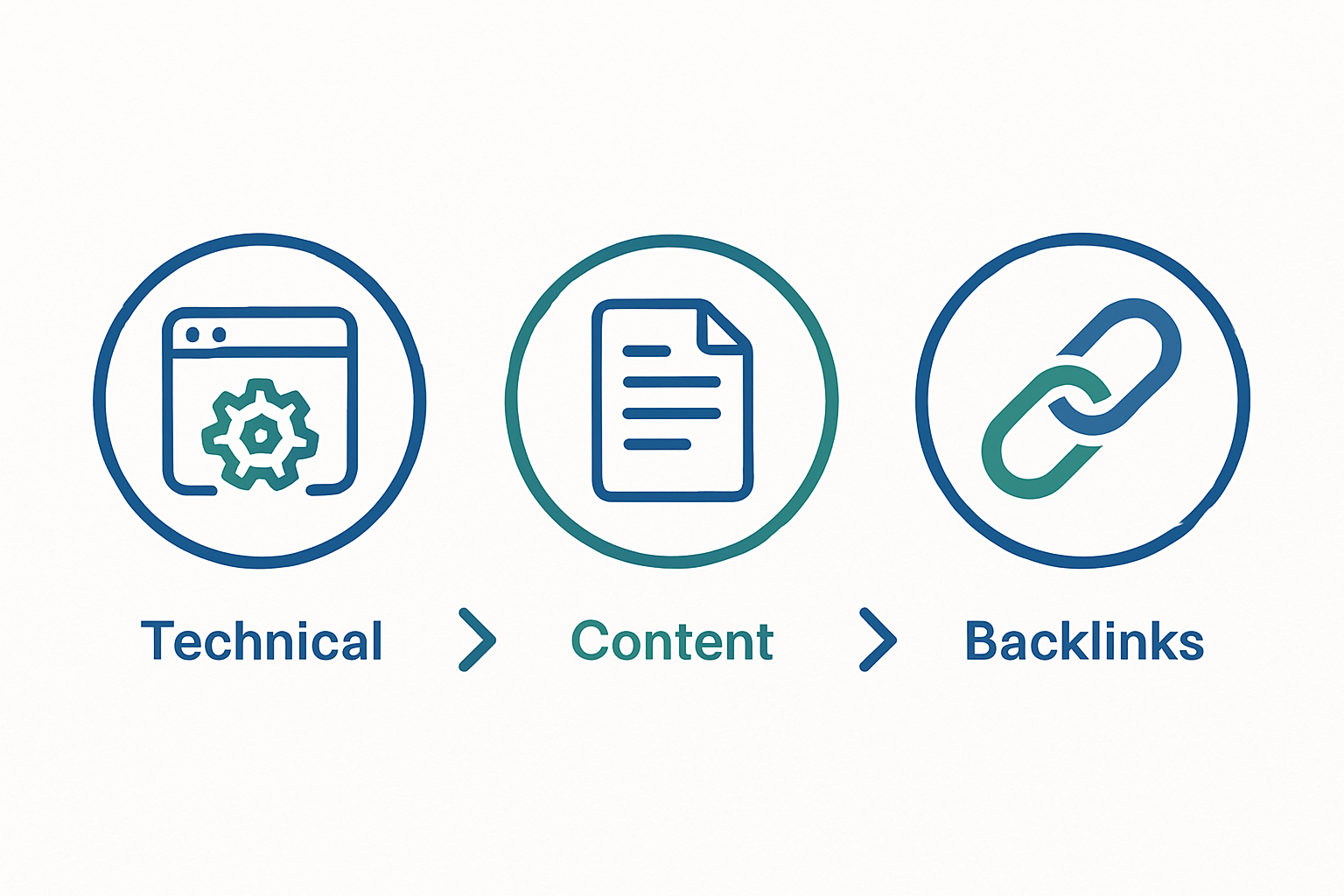
SEO, or Search Engine Optimization, is the practice of improving your website so that it appears higher in search engine results pages, driving more organic (unpaid) traffic to your site. It combines technical strategy, content creation, and link building to help search engines understand and trust your website. In 2026, SEO remains one of the most cost-effective digital marketing strategies available to businesses of any size.
Studies show that the first result on Google receives approximately 27.6% of all clicks, while results on page two receive less than 1% of total traffic. This means where you rank directly determines how many people find your business online. Understanding what SEO is — and how to apply it — can be the difference between a thriving website and one that goes completely unseen.
The best way to think about SEO is as a long-term investment in your website’s visibility, credibility, and authority. Unlike paid advertising, which stops delivering results the moment you stop spending, SEO builds momentum over time. A well-optimized page can continue attracting visitors for months or even years after it was first published.
What Does SEO Actually Mean?
SEO is defined as the process of optimizing web content and technical infrastructure so that search engines rank it higher for relevant queries. The term breaks down simply: “Search Engine” refers to platforms like Google or Bing, and “Optimization” means making your content the best possible answer to a user’s question. Together, they describe a discipline focused entirely on earning free, high-quality traffic from search.
Search engines use automated programs called crawlers (also known as spiders or bots) to discover and analyze web pages. Crawlers are defined as software agents that systematically browse the internet, following links and collecting data about page content. This data is then stored in what’s called an index — a massive database that search engines use to serve relevant results in milliseconds.
When someone types a search query, the search engine scans its index and ranks pages based on hundreds of factors. SEO is the art and science of understanding those factors and applying them to your website. Businesses that master SEO earn a sustainable competitive advantage in their market.
How Does a Search Engine Decide Who Ranks First?
Search engines use complex algorithms to evaluate and rank web pages across three core dimensions: relevance, authority, and user experience. Relevance means your content genuinely answers the user’s query. Authority refers to how trustworthy and credible your website appears based on the quality and quantity of backlinks pointing to it.
Google’s algorithm is reported to use over 200 ranking signals when determining where a page should appear. These signals include keyword usage, page loading speed, mobile-friendliness, content depth, and the number of reputable websites that link back to yours. No single factor dominates — it’s the combination of all signals that determines your rank.
User experience has become increasingly important as a ranking factor, particularly since Google’s Core Web Vitals update. Core Web Vitals is defined as a set of specific metrics that measure real-world user experience, including loading performance, interactivity, and visual stability. Pages that load slowly, shift unexpectedly, or feel clunky on mobile devices are penalized in rankings.
What Are the Main Types of SEO?
SEO is not a single tactic — it’s a multi-disciplined field with several distinct categories, each targeting a different aspect of how search engines discover and rank content. Understanding these types helps you build a complete and effective strategy. The three primary categories are on-page SEO, off-page SEO, and technical SEO.
On-Page SEO
On-page SEO refers to all the optimizations you make directly within your website’s content and HTML. This includes using your target keywords naturally throughout your pages, writing compelling meta descriptions, structuring content with clear headings, and ensuring each page has a single, focused topic. On-page SEO is where most beginners start — and rightfully so, because it has a direct and measurable impact on rankings.
Effective on-page SEO also means creating genuinely helpful content that satisfies search intent. Search intent is defined as the underlying goal a user has when typing a query into a search engine. A page optimized for the right intent will naturally outperform a page that targets the right keyword but delivers the wrong type of content.
Off-Page SEO
Off-page SEO focuses on building your website’s authority through external signals, primarily backlinks. A backlink is a link from another website pointing to yours, and it acts as a vote of confidence in your content’s quality. According to industry research, pages with a higher number of quality backlinks consistently rank above those with fewer links, even when the content quality is similar.
Off-page SEO also includes brand mentions, social signals, and influencer partnerships. While these don’t pass link authority directly, they expand your brand’s visibility and often lead to natural backlink acquisition. Building relationships with reputable websites in your niche is one of the smartest off-page strategies you can pursue.
Technical SEO
Technical SEO is the process of optimizing your website’s backend infrastructure so search engines can crawl, index, and render it efficiently. This covers areas like site speed optimization, XML sitemaps, robots.txt configuration, structured data markup, and HTTPS security. Without a technically sound foundation, even the best content can fail to rank.
Many website owners overlook technical SEO because it feels intimidating. However, addressing common technical issues — like broken links, duplicate content, or missing canonical tags — can produce noticeable ranking improvements quickly. Modern SEO tools, including AI-powered platforms, now make technical audits accessible even to non-developers.

Why Does SEO Matter More Than Ever in 2026?
Organic search remains the single largest source of website traffic globally, accounting for over 53% of all trackable web traffic. Paid advertising costs have risen sharply over the last several years, making organic visibility even more valuable for businesses operating on lean budgets. SEO levels the playing field, allowing small businesses to compete with large corporations for the same audience.
The rise of AI-generated search summaries and answer engines has made SEO strategy more nuanced than ever before. Users increasingly receive answers directly in the search results page without clicking a link, which means content must be structured to be both click-worthy and citation-worthy. Optimizing for generative AI engines — often called GEO — is now an extension of traditional SEO practice.
Brands that invest in SEO build compounding returns. Every piece of content you optimize today becomes a permanent asset that can drive traffic, leads, and sales for years. That compounding effect is why SEO consistently outperforms most other marketing channels in long-term return on investment.
How Does Keyword Research Fit Into SEO Strategy?
Keyword research is the process of identifying the exact words and phrases your target audience types into search engines when looking for products, information, or solutions. It forms the foundation of any effective SEO strategy because you cannot optimize for what you don’t understand. Without keyword research, you risk creating content that nobody is actually searching for.
Effective keyword research goes beyond finding high-volume terms. It means identifying keywords with the right combination of search volume, competition level, and commercial intent. A keyword with 500 monthly searches and low competition is often more valuable than a keyword with 50,000 searches and dozens of authoritative competitors already ranking for it.
If you want to explore how AI is transforming keyword research, read this detailed breakdown of an AI-driven keyword research and content optimization tool that helps you rank smarter and write better content. AI tools can now surface keyword opportunities that traditional platforms miss entirely, giving modern marketers a significant edge.
What Are the Most Important SEO Ranking Factors?
While Google keeps its exact algorithm private, industry research and data analysis have identified the factors that correlate most strongly with high rankings. These factors apply across almost every niche and industry. Understanding them helps you prioritize your SEO efforts for maximum impact.
- Content quality and depth: Pages that thoroughly cover a topic tend to outrank thin, superficial content.
- Keyword optimization: Using your target keyword naturally in the title, headings, and body text signals relevance.
- Backlink profile: Links from authoritative, relevant websites signal trust and credibility to search engines.
- Page speed: Faster pages rank higher and retain users longer — Google has confirmed speed as a direct ranking factor.
- Mobile optimization: Google uses mobile-first indexing, meaning it evaluates your mobile site before your desktop version.
- User engagement signals: Click-through rate, time on page, and bounce rate all influence how Google perceives content quality.
- Structured data: Schema markup helps search engines understand your content and can trigger rich results in SERPs.
How Do You Get Started With SEO?
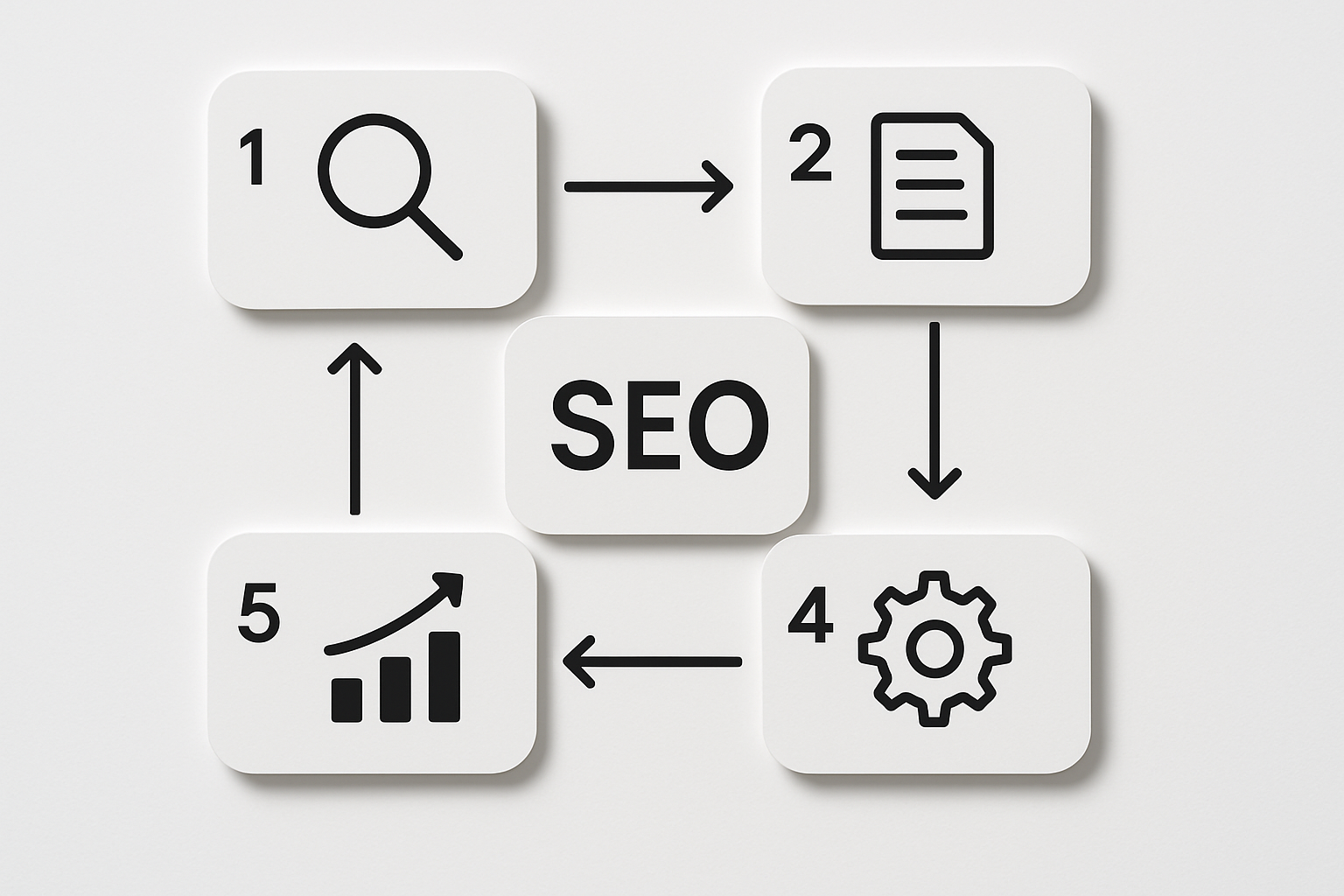
Starting SEO does not require a large budget or a technical background — it requires a clear understanding of your audience, a commitment to creating helpful content, and a consistent approach to optimization. The most effective first step is always an audit of your existing website. Understanding what’s already working and what’s holding you back gives you a clear roadmap for improvement.
If you’re new to the field, start with the fundamentals covered in this guide to SEO tips for beginners that explain how to rank higher and drive real organic traffic. Building a strong foundation in the basics will prevent costly mistakes and set you up for faster, more sustainable growth.
- Audit your website — identify technical issues, thin content, and missing metadata.
- Research your keywords — find terms your audience actually searches for.
- Optimize existing pages — update titles, headings, and content to match user intent.
- Create new content — publish in-depth, helpful articles targeting identified keyword opportunities.
- Build backlinks — reach out to relevant websites and offer valuable content worth linking to.
- Track your progress — monitor rankings, organic traffic, and conversions monthly.
- Iterate and improve — SEO is ongoing; refine your approach based on data.
For a deeper look at what moves the needle, explore these proven strategies for improving your search engine ranking and driving real results. These actionable tactics work for websites at every stage of growth.
What Tools Do SEO Professionals Use?
SEO professionals rely on a range of tools to research keywords, audit websites, analyze competitors, and track rankings. Traditional SEO tools built on older technology often require significant manual effort and expertise to extract actionable insights. Many legacy platforms present overwhelming amounts of data without helping users understand what to do next.
The shift toward AI-powered SEO tools has transformed how marketers approach optimization. AI platforms can analyze thousands of data points in seconds, surface actionable recommendations, and even generate optimized content briefs automatically. This makes professional-grade SEO accessible to solo entrepreneurs and small teams who previously couldn’t afford the time or expertise.
If you’re looking for budget-friendly options, this guide to affordable SEO software for solo entrepreneurs and startups covers practical solutions that help you rank without overspending. The right tool makes a significant difference in how quickly you see measurable results.
How Does SEO Compare to Paid Advertising?
SEO and paid advertising (such as Google Ads) are both valid strategies for driving website traffic, but they work very differently. Paid ads deliver immediate traffic but require ongoing spend — the moment your budget runs out, your traffic disappears. SEO takes longer to produce results but creates lasting, compounding value that continues working even when you’re not actively investing.
Research shows that organic search results are trusted by users significantly more than paid listings. Studies indicate that over 70% of users skip paid ads and scroll directly to organic results when searching for information. This trust advantage makes SEO especially powerful for building brand credibility alongside traffic.
For most businesses, the ideal approach combines both strategies. Paid ads drive quick wins while SEO builds long-term authority. Over time, a strong SEO foundation typically reduces your dependence on paid traffic — and your overall cost per acquisition.
“SEO is not about gaming the system. It’s about learning how to play by the rules.” — Jordan Kasteler
How Is AI Changing the Way SEO Works?
Artificial intelligence has fundamentally reshaped the SEO landscape in the last two years. Google’s own algorithms are now deeply powered by AI, including systems like RankBrain and the Helpful Content system, which evaluate content quality and user satisfaction at a scale no human team could replicate. This means optimizing for AI-driven rankings requires a new approach centered on genuine helpfulness and expertise.
On the practitioner side, AI tools are enabling marketers to conduct smarter keyword research, generate optimized content outlines, automate technical audits, and predict ranking opportunities with far greater accuracy. If you want to see how AI can directly increase your website’s visibility, explore this resource on how to increase organic visibility with AI SEO software.
The integration of AI into SEO strategy is not optional — it’s now a competitive necessity. Businesses that adopt AI-powered workflows are consistently outpacing those still relying on manual, time-consuming traditional methods. The gap between AI-enabled and legacy SEO approaches will only continue to widen.
Frequently Asked Questions
What is SEO in simple terms?
SEO (Search Engine Optimization) is the process of improving your website so it appears higher in search engine results, helping more people find your business organically without paying for ads.
How long does SEO take to show results?
Most websites begin seeing meaningful ranking improvements within 3 to 6 months of consistent SEO effort, though highly competitive niches can take longer to produce significant results.
Is SEO still worth it in 2026?
Yes — organic search drives over 53% of all website traffic globally, making SEO one of the highest-return marketing investments available, especially compared to the rising costs of paid advertising.
What is the difference between on-page and off-page SEO?
On-page SEO involves optimizations made directly on your website, such as content and metadata, while off-page SEO focuses on external signals like backlinks from other websites that build your site’s authority.
Can I do SEO myself, or do I need to hire an expert?
Many foundational SEO tasks can be done independently, especially with the help of modern AI-powered tools that simplify keyword research, audits, and content optimization — no deep technical expertise required.
What is the most important ranking factor in SEO?
No single factor determines rankings; however, content quality and relevance, authoritative backlinks, and technical performance are consistently the most impactful elements across all niches.
What is keyword research and why does it matter for SEO?
Keyword research is the process of identifying the words and phrases your audience searches for, and it matters because targeting the right keywords ensures your content reaches the people most likely to become customers.
Start Growing Your Organic Traffic With the Right SEO Strategy
SEO is one of the most powerful, durable, and cost-effective strategies available for growing your website’s visibility and attracting the right audience. Understanding what SEO is — and how its core components work together — gives you the foundation to compete in search results regardless of your budget or industry. The businesses winning in organic search today are those that treat SEO as an ongoing priority, not a one-time task.
Whether you’re just starting out or looking to accelerate your existing results, the tools and tactics you use make an enormous difference. RankBloom SEO is designed specifically to help modern marketers and business owners implement smarter SEO strategies — combining AI-powered keyword research, content optimization, and performance tracking in one intuitive platform. It’s the intelligent alternative to outdated legacy tools that make SEO feel harder than it needs to be.
If you’re ready to move beyond guesswork and start ranking with confidence, explore what RankBloom SEO can do for your website today. You can also deepen your understanding of how SEO works in practice by reading this comprehensive resource on what SEO is and how it works to grow your website traffic. Your next page-one ranking starts with the right strategy — and the right tools to execute it.