
Keyword tracking is the practice of monitoring your website’s position in search engine results pages (SERPs) for specific search terms over time. It tells you exactly where your pages rank, how rankings shift day by day, and whether your SEO efforts are actually moving the needle. Without keyword tracking, you’re essentially flying blind — investing time and money into SEO with no way to measure what’s working.
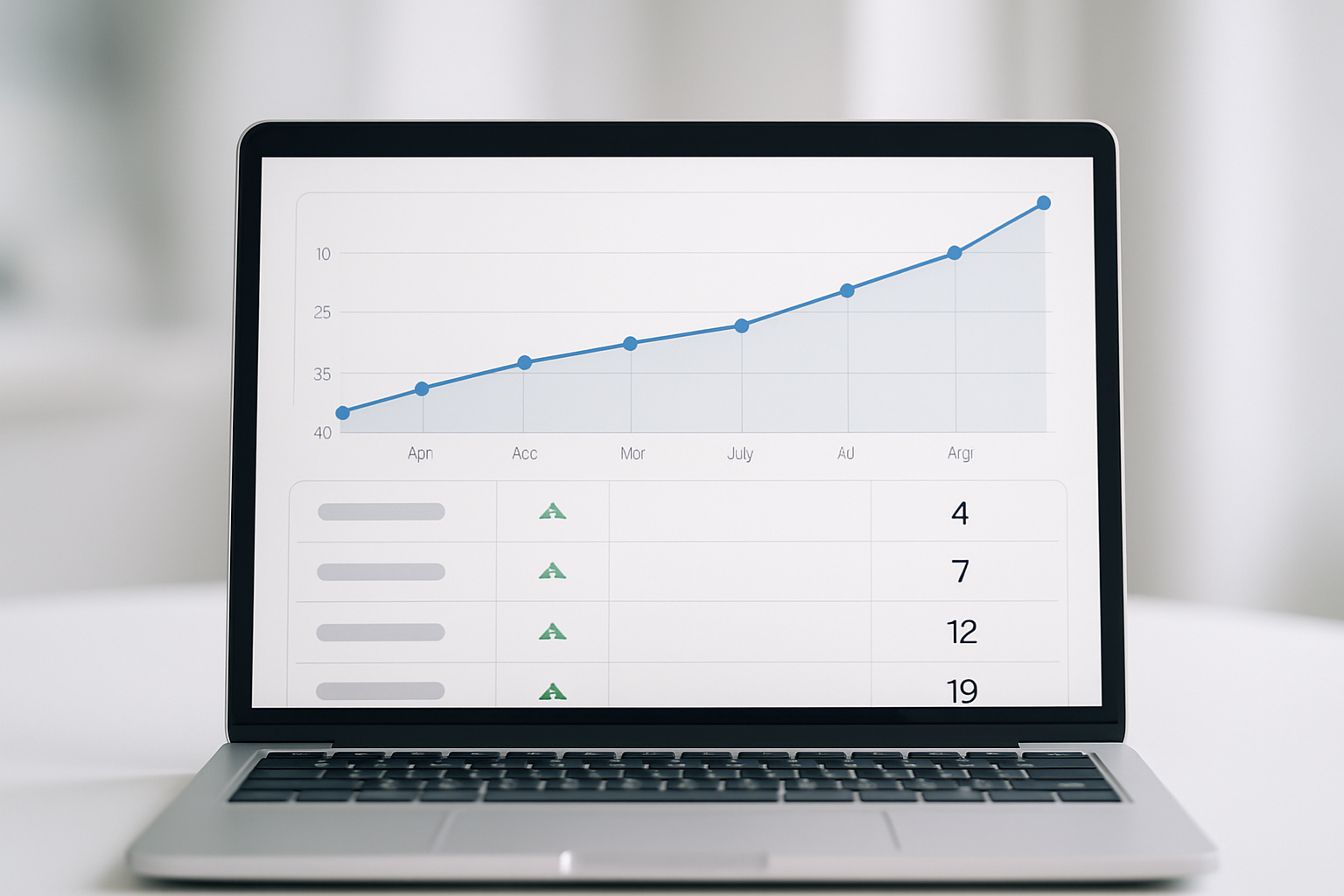
Keyword tracking is not just a reporting tool — it’s a strategic compass. It connects your content decisions, link-building efforts, and technical SEO work to real, measurable outcomes. Every serious SEO strategy, whether for a small blog or a large e-commerce site, depends on consistent keyword rank tracking to stay competitive.
In this article, you’ll learn exactly what keyword tracking is, how it works, why it matters, and how to use it effectively to grow your organic search traffic.
What Is Keyword Tracking and Why Does It Matter for SEO?
Keyword tracking is defined as the ongoing process of recording and analyzing where a specific URL or domain ranks in search engines for chosen target keywords. The goal is to understand ranking trends, measure SEO performance, and identify opportunities for improvement. Think of it as your SEO report card — updated daily or weekly.
Rankings matter because position directly influences traffic. Studies show that the #1 organic result in Google receives approximately 27.6% of all clicks, while the #10 result receives less than 2.5%. Dropping even a few positions can mean a dramatic loss in organic visitors and potential revenue.
Keyword tracking gives you the data you need to make confident decisions. Instead of guessing whether a content update helped your rankings, you can see the impact in real time. This makes it one of the most valuable ongoing activities in any SEO workflow.
How Does Keyword Tracking Actually Work?
A keyword rank tracker works by querying search engines — typically Google, and sometimes Bing or others — to check where a specific URL appears for a given search term. This process is automated, meaning the tool does the searching for you and logs the position data over time. You choose which keywords to monitor, and the tool does the rest.
Most keyword tracking tools check rankings based on:
- Geographic location — Rankings can differ by city, state, or country
- Device type — Mobile and desktop results often differ significantly
- Search engine — Google, Bing, and others may rank your content differently
- Language and locale settings — Relevant for international SEO campaigns
The tool records a “snapshot” of your ranking position on a given day. Over time, these snapshots build into a historical chart that shows ranking trends. You can then analyze whether your position is climbing, dropping, or holding steady.
Modern keyword tracking tools also track additional data points alongside raw position, including search volume, estimated traffic, keyword difficulty, and competitor rankings. This gives you a fuller picture of your keyword’s performance ecosystem.
What Types of Keywords Should You Track?
Not all keywords deserve equal attention, and tracking the right ones makes your data far more actionable. A target keyword is defined as any search term you intentionally want your website or page to rank for in search engines. Selecting the right target keywords is a foundational step before you begin tracking anything.
Here are the main categories of keywords worth tracking:
- Primary keywords — Your most important, high-priority terms directly tied to your core offerings
- Secondary keywords — Related terms that support and surround your primary keywords
- Long-tail keywords — Longer, more specific phrases with lower volume but higher conversion intent
- Brand keywords — Searches that include your company or product name
- Competitor-gap keywords — Terms where competitors rank but you don’t yet
- Local keywords — Location-specific phrases crucial for local SEO campaigns
For most websites, starting with 20 to 50 carefully chosen keywords is more effective than tracking hundreds at once. Quality over quantity applies here — tracking irrelevant keywords creates noise that makes it harder to spot meaningful trends.
If you’re just getting started with building your keyword strategy, the beginner-friendly SEO tips for ranking higher and generating real traffic are an excellent starting point before you dive into tracking.
How Does Keyword Tracking Help You Measure SEO Performance?
Keyword tracking transforms vague SEO activity into measurable performance data. Instead of asking “is our SEO working?”, you can answer with specifics: “We moved from position 18 to position 6 for our target keyword over the last 60 days.” That kind of clarity is what separates strategic SEO from guesswork.
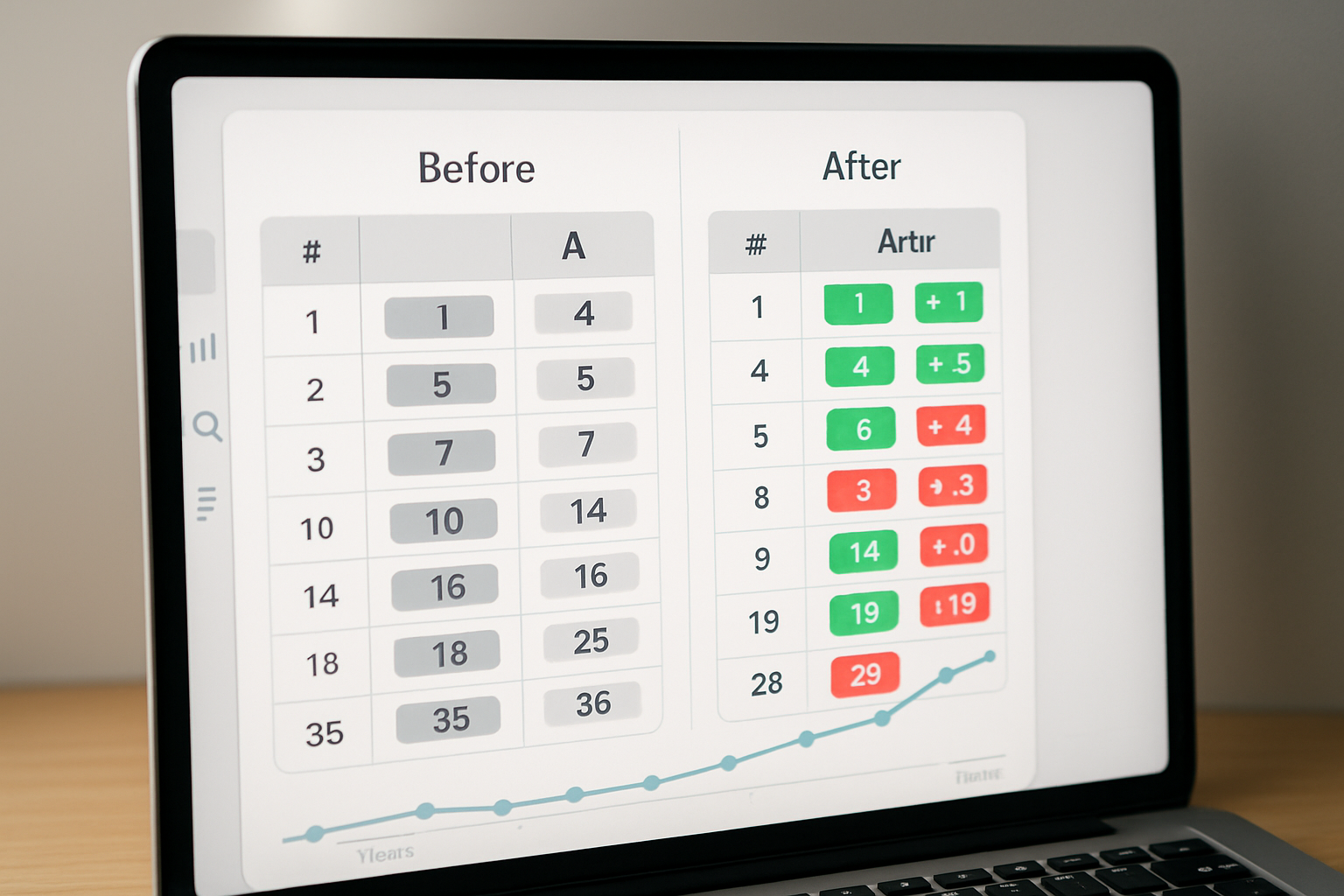
Here are the key performance insights keyword tracking provides:
- Ranking velocity — How quickly your pages are climbing or falling in SERPs
- Content effectiveness — Whether a page update improved its target keyword position
- Algorithm impact — Detecting sudden ranking drops that may correlate with Google updates
- Competitive movement — Seeing when competitors gain or lose ground on shared keywords
- Traffic opportunity — Identifying keywords near the top 10 that need a small push to drive significant traffic
Research indicates that websites actively monitoring and optimizing for keyword rankings grow organic traffic up to 3x faster than those that don’t track at all. Consistent tracking creates a feedback loop that makes every SEO action smarter and more targeted.
Keyword tracking also helps you prioritize. When you see a keyword sitting in position 11 or 12 — just outside the first page — you know exactly where to focus your next content optimization effort for maximum impact.
What Is the Difference Between Keyword Tracking and Keyword Research?
Keyword research and keyword tracking are related but distinctly different activities. Keyword research is defined as the process of discovering and evaluating search terms that your target audience uses, typically performed before content creation. Keyword tracking, on the other hand, is what happens after — monitoring how well your content ranks for those terms over time.
Think of it this way: keyword research answers “what should I target?” while keyword tracking answers “how well am I performing for what I’ve targeted?” Both are essential, and they work together in a continuous improvement cycle.
Here’s a simple comparison:
| Keyword Research | Keyword Tracking |
|---|---|
| Done before publishing content | Done after publishing content |
| Identifies opportunities | Measures results |
| One-time or periodic activity | Ongoing, continuous process |
| Focuses on search volume and intent | Focuses on ranking position and trends |
| Informs content strategy | Informs optimization decisions |
The best SEO strategies weave both activities together seamlessly. Your tracking data often reveals new keyword opportunities to research, and your research always feeds back into what you decide to track next.
How Do You Set Up Keyword Tracking Effectively?
The best way to set up keyword tracking is to start with a clear list of target keywords organized by priority, then choose tracking settings that reflect where your audience actually searches. Rushing this setup stage leads to messy data that’s hard to act on.
Follow these steps to set up keyword tracking properly:
- Define your target URL — Track the specific page you want to rank, not just your homepage
- Select your keywords — Prioritize terms tied to revenue, leads, or your core content goals
- Set your target location — Choose the city, region, or country most relevant to your audience
- Choose your device type — Track mobile and desktop separately if your traffic is split
- Set tracking frequency — Daily tracking is ideal for competitive niches; weekly works for lower-competition topics
- Add competitor domains — Track how competitors rank for the same keywords you’re targeting
- Establish a baseline — Record your starting positions so you can measure improvement accurately
Once your tracking is live, build a habit of reviewing your rankings at least weekly. Spotting trends early — both positive and negative — lets you respond quickly rather than discovering problems weeks after they’ve hurt your traffic.
For a deeper dive into strategies that complement your tracking efforts, exploring proven strategies to improve search engine rankings will give you a powerful framework to act on the data your tracking reveals.
What Are the Most Common Keyword Tracking Mistakes to Avoid?
Even experienced SEOs fall into predictable keyword tracking traps. The most damaging mistake is tracking vanity keywords — high-volume terms where you have almost no chance of ranking — instead of realistic, winnable opportunities. This creates false impressions of progress (or failure) that don’t reflect your actual SEO health.
Here are the most common keyword tracking mistakes and how to avoid them:
- Tracking too many keywords at once — Leads to unfocused data; start small and scale
- Ignoring location settings — Rankings vary significantly by location; always match your target market
- Checking rankings manually — Manual checks are inconsistent and time-consuming; use automated tracking
- Reacting to single-day fluctuations — Look for trends over 2–4 weeks, not daily noise
- Not connecting rankings to traffic data — A higher ranking that brings no traffic suggests a keyword mismatch
- Neglecting SERP features — Featured snippets, maps, and image packs affect click-through rates even at position 1
Many traditional SEO tools make these mistakes worse by overwhelming users with data. A well-designed, modern platform keeps your keyword tracking clean, actionable, and focused on what actually matters for growth.
How Does Keyword Tracking Support Long-Term SEO Growth?
Keyword tracking is the backbone of long-term SEO success because it makes your entire strategy measurable, repeatable, and improvable. According to industry data, websites that actively monitor keyword rankings and respond to trends generate 55% more organic traffic growth year-over-year than those that don’t. Consistent tracking turns SEO from a one-time effort into a self-improving system.
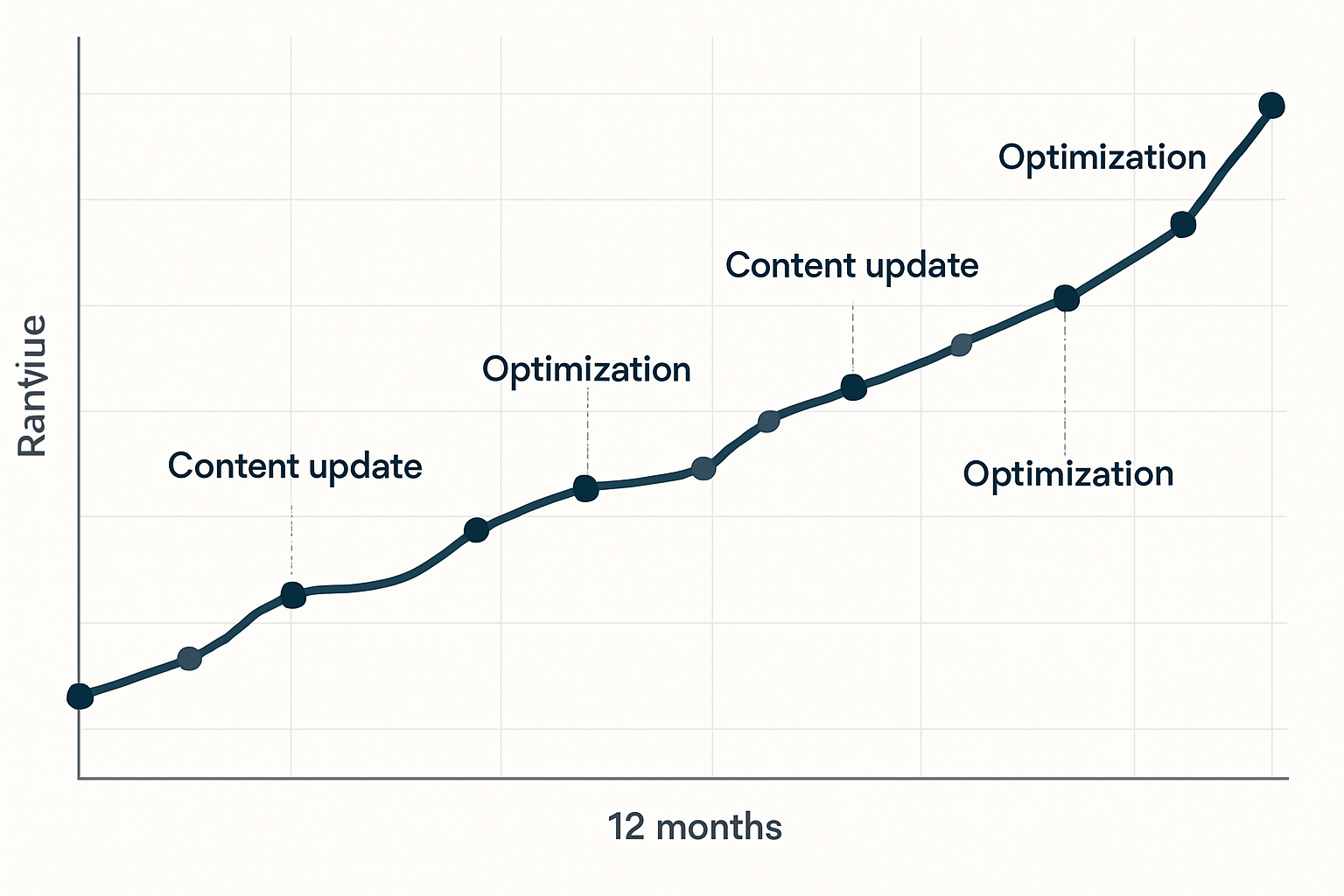
Over time, your tracking data builds into a library of SEO intelligence. You’ll know which content types earn rankings fastest, which topics are hardest to crack, and which keywords consistently drive conversions. This institutional knowledge is a significant competitive advantage.
Keyword tracking also keeps you alert to threats. If a competitor overtakes your position on a high-value keyword, your tracking system flags it immediately. You can investigate why — whether they published better content, earned new backlinks, or benefited from a technical improvement — and respond before the ranking loss impacts your revenue.
What Should You Look for in a Keyword Tracking Tool?
The right keyword tracking tool should be accurate, affordable, and easy to act on. Many legacy platforms were built when SEO was simpler — they’re cluttered with features most users never need, and they price out smaller businesses and solo entrepreneurs who need tracking just as much as enterprise teams do.
When evaluating a keyword tracking solution, look for these essential features:
- Daily rank updates — Fresh data lets you respond to changes quickly
- Local and mobile tracking — Essential for targeting specific audiences
- Competitor tracking — Knowing where competitors rank is as important as knowing where you rank
- Historical data and trend charts — Visualizing progress over time is critical for strategy
- SERP feature monitoring — Tracks featured snippets, local packs, and other ranking opportunities
- Clean, actionable reports — Data you can actually present to clients or stakeholders
- Affordable pricing — Especially important for freelancers, startups, and growing businesses
If budget is a concern — and it often is for solo entrepreneurs and small teams — understanding your options among affordable SEO software built for entrepreneurs and startups can help you find powerful tracking without overspending.
—
Frequently Asked Questions
What is keyword tracking in simple terms?
Keyword tracking is the process of monitoring where your website appears in search engine results for specific search terms over time. It helps you measure your SEO progress and make smarter optimization decisions.
How often should I check my keyword rankings?
For competitive niches, daily tracking is ideal, but reviewing your keyword data weekly is sufficient for most websites. Avoid reacting to single-day fluctuations — look for trends over two to four weeks instead.
Does keyword tracking work for local SEO?
Yes, keyword tracking is especially important for local SEO because rankings vary significantly by city and region. Good tracking tools let you set a specific geographic target so you see rankings as your local audience actually experiences them.
How many keywords should I track?
Most websites benefit from tracking between 20 and 100 keywords to start, prioritizing terms directly tied to their goals. Tracking too many keywords at once creates noise that makes it harder to spot meaningful patterns and act on them.
Is keyword tracking different from Google Search Console?
Google Search Console shows data about keywords that already drive impressions and clicks to your site, but it doesn’t provide precise daily position tracking or competitor comparisons. A dedicated keyword tracking tool gives you more accurate, granular, and actionable ranking data.
Start Tracking Keywords and Take Control of Your SEO Results
Keyword tracking is not optional for anyone serious about SEO — it’s the foundation that makes every other effort measurable. Without it, you’re optimizing content, building links, and improving site speed without any reliable way to know whether any of it is working. With it, every decision is backed by real data and every win is clearly visible.
The good news is that effective keyword tracking doesn’t require an expensive, complex enterprise platform. RankBloom SEO is built as the smart, modern alternative for businesses, freelancers, and entrepreneurs who want clean, accurate, and affordable keyword tracking without the bloat of legacy tools. It gives you the ranking data you actually need, presented in a way that’s easy to understand and even easier to act on.
Start tracking your most important keywords today, review your data consistently, and use what you learn to refine your strategy week over week. The websites that rank consistently well aren’t the ones with the biggest budgets — they’re the ones paying closest attention to their data. RankBloom SEO makes that close attention simple, affordable, and genuinely effective.