
SEO, or Search Engine Optimization, is defined as the process of improving a website’s visibility in organic (non-paid) search engine results pages. It involves a combination of technical improvements, content creation, and link building strategies that help search engines understand and rank your pages. When done correctly, SEO connects your website with people who are actively searching for what you offer.
SEO is one of the most cost-effective digital marketing strategies available to businesses of any size. Unlike paid advertising, which stops delivering traffic the moment your budget runs out, organic search traffic can compound over time. A well-optimized page published today can continue attracting visitors for months or even years.
According to a 2025 study by BrightEdge, organic search drives over 53% of all website traffic across industries. That means more than half of your potential visitors are coming through search engines before they ever see an ad. Ignoring SEO means leaving a significant majority of your audience on the table.
What Are the Main Types of SEO?
SEO is not a single tactic — it is an umbrella term covering several distinct disciplines that work together. Understanding each type helps you build a balanced strategy rather than focusing on just one area. Here are the core types every website owner should know:
- On-Page SEO: Optimizing the content and HTML elements on individual pages, including titles, headings, meta descriptions, and keyword usage.
- Off-Page SEO: Building your website’s authority and reputation through backlinks, brand mentions, and external signals.
- Technical SEO: Improving the backend structure of your site so search engines can crawl, index, and understand it efficiently.
- Local SEO: Optimizing your presence for location-based searches, especially critical for businesses serving specific geographic areas.
- Content SEO: Creating high-quality, relevant content that satisfies user intent and earns rankings for target keywords.
Most successful SEO strategies combine all five of these disciplines. Focusing exclusively on just one — say, writing great content without fixing technical issues — will limit your results. A holistic approach is always more effective than isolated tactics.
What Is Technical SEO and Why Does It Matter?
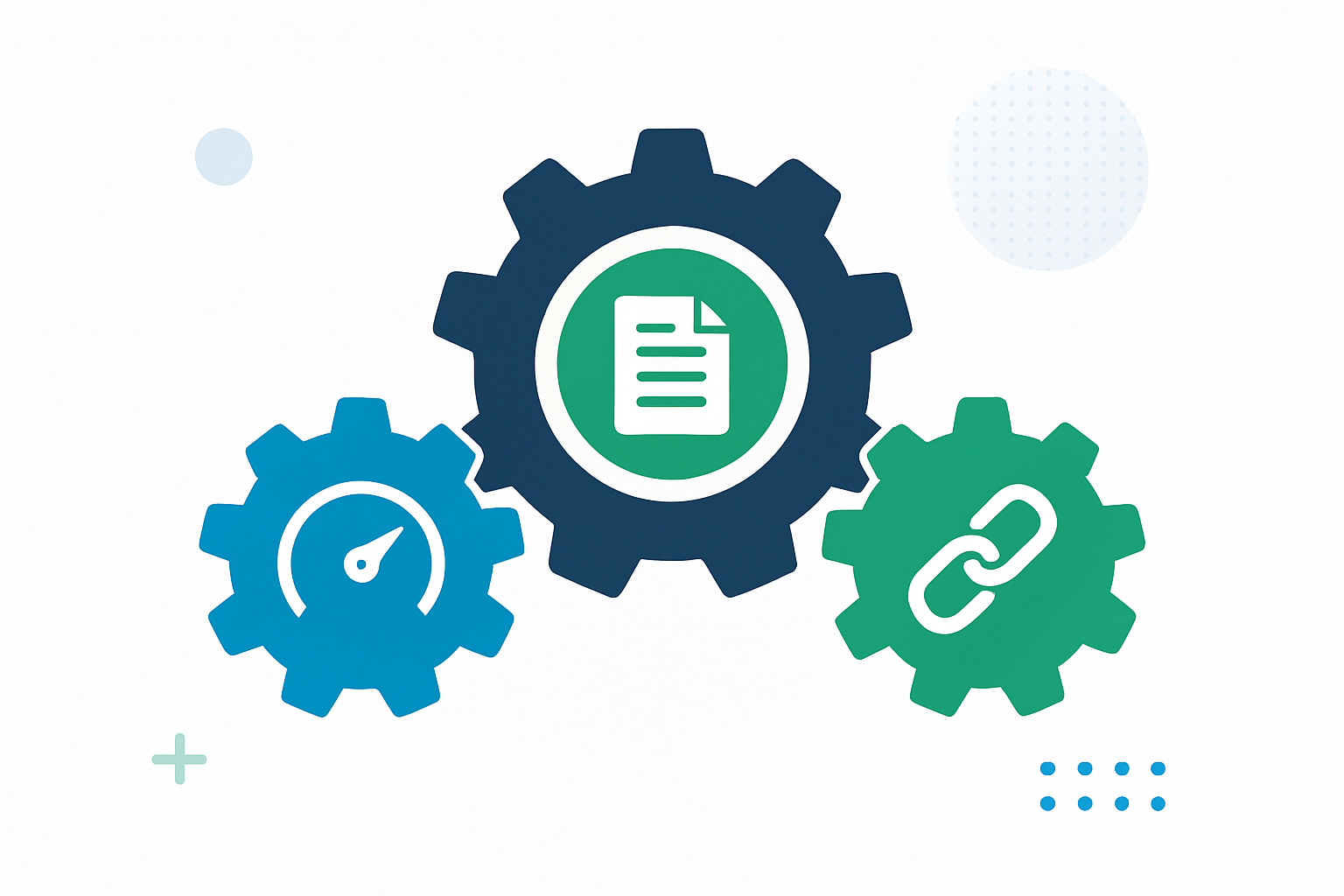
Technical SEO is defined as the process of optimizing a website’s infrastructure so that search engines can efficiently crawl, render, and index its pages. This includes improving page speed, fixing broken links, implementing structured data, and ensuring mobile-friendliness. If search engines cannot properly read your site, even your best content will struggle to rank.
Google’s Core Web Vitals — a set of performance metrics measuring loading speed, interactivity, and visual stability — have been a confirmed ranking signal since 2021. Pages that score well on these metrics tend to rank higher and provide a better user experience. Ignoring technical health is like building a beautiful storefront on a road with no signage — nobody finds it.
What Is On-Page SEO and How Should You Use It?
On-page SEO refers to all the optimizations you make directly within your content and HTML code to improve relevance for target keywords. This includes writing compelling title tags, using descriptive header tags, and naturally incorporating keywords throughout your content. It also means making sure your content genuinely answers what users are searching for.
User intent is one of the most important on-page factors in modern SEO. Google’s algorithms are sophisticated enough to distinguish between informational, navigational, commercial, and transactional queries. Matching your content format and depth to the correct intent dramatically increases your chances of ranking.
How Do Search Engines Actually Work?
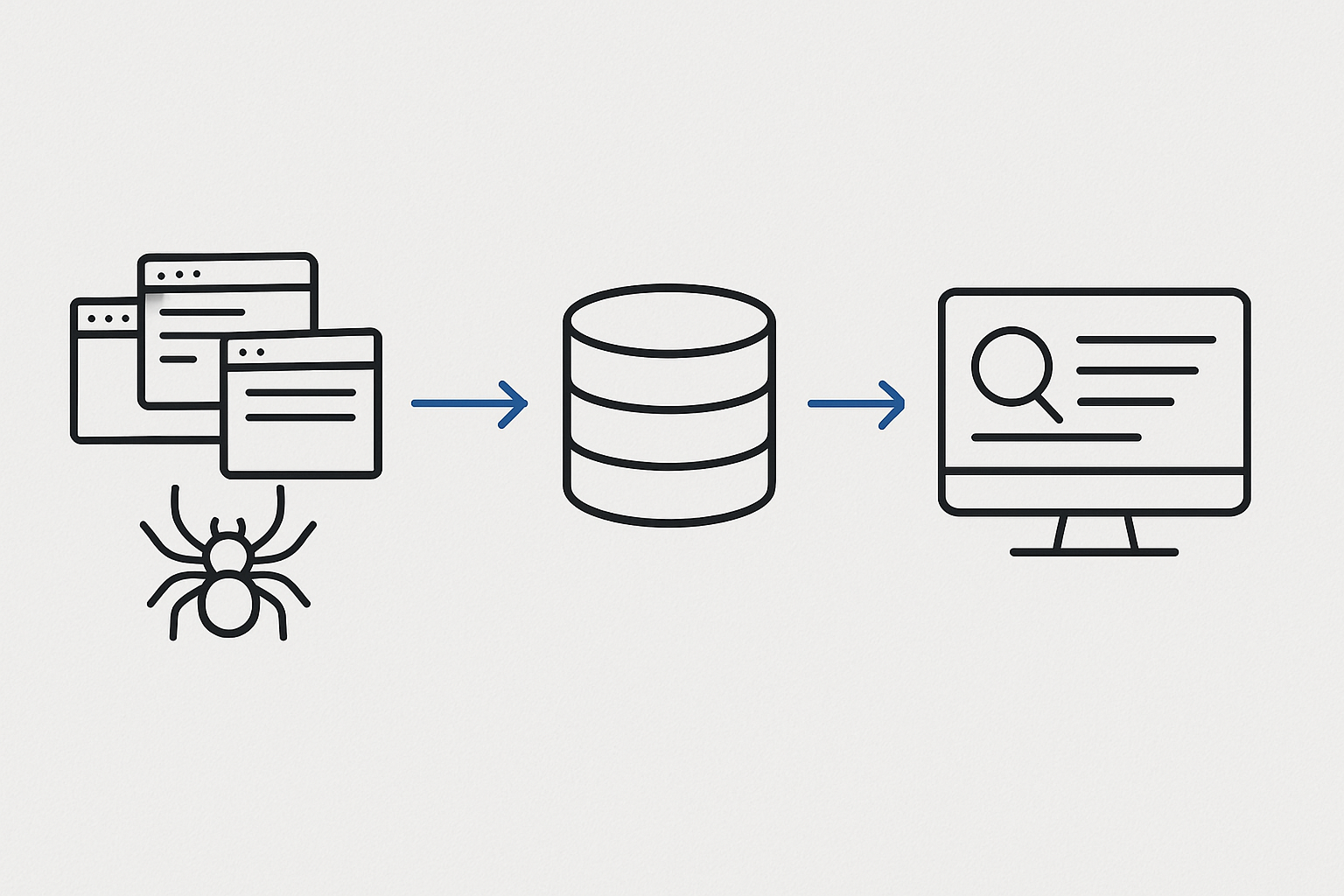
Search engines work through three core processes: crawling, indexing, and ranking. Crawling is when search engine bots visit pages across the web by following links. Indexing is when those pages are stored and organized in the search engine’s massive database. Ranking is when the engine determines which pages are most relevant and authoritative for a given search query.
Google uses hundreds of ranking factors to determine where a page appears in search results. These factors include the quality and relevance of the content, the number and quality of backlinks pointing to the page, and the technical health of the site. No single factor dominates — it is the combination that determines your position.
In 2026, AI-driven search features like Google’s AI Overviews have added a new layer of complexity to SEO. These features pull information directly from web pages to display summarized answers at the top of search results. Optimizing your content to be cited in these AI-generated responses is now part of what modern SEO professionals call Generative Engine Optimization (GEO).
What Is Keyword Research and Why Is It the Foundation of SEO?
Keyword research is defined as the process of identifying the specific words and phrases your target audience types into search engines when looking for products, services, or information. It forms the foundation of any SEO strategy because it tells you exactly what content to create and how to frame it. Without keyword research, you are essentially guessing what your audience wants.
Effective keyword research goes beyond just finding high-volume terms. It involves understanding search intent, evaluating keyword difficulty, and identifying long-tail keywords — more specific phrases with lower competition but highly motivated searchers. For example, someone searching “best running shoes for flat feet under $100” is much closer to making a purchase than someone searching just “shoes.”
If you want a deeper foundation before diving into tactics, reading up on beginner-friendly SEO tips for ranking higher and driving real organic traffic is a great next step. These fundamentals will make every other SEO effort more effective and targeted.
Why Does SEO Matter More Than Ever in 2026?
Studies show that 68% of online experiences begin with a search engine, according to data from Search Engine Journal. That number has remained remarkably consistent over the years, demonstrating that search remains the dominant way people discover new websites, brands, and services. If your business is not visible in search results, you are invisible to the majority of your potential customers.
The rise of AI-powered search has made SEO both more complex and more rewarding. Search engines are now better at understanding context, intent, and the quality of information — which means thin, keyword-stuffed content no longer works. But it also means genuinely helpful, well-structured content gets rewarded more than ever before.
Businesses that invest in SEO gain a compounding advantage over competitors who rely solely on paid channels. Every well-ranked page becomes a permanent asset that generates traffic 24/7. Paid ads, by contrast, require ongoing investment and deliver zero residual value once the campaign ends.
How Does SEO Compare to Paid Advertising?
| Factor | SEO (Organic) | Paid Advertising (PPC) |
|---|---|---|
| Cost | Time and effort investment | Direct financial cost per click |
| Timeline | 3–6 months to see results | Immediate traffic |
| Longevity | Traffic continues over time | Stops when budget runs out |
| Trust Level | Higher user trust | Lower (labeled as ads) |
| Scalability | Scales without proportional cost increases | Costs scale with traffic |
The most effective digital marketing strategies combine both channels strategically. Use paid ads for immediate visibility while your SEO foundation builds. Once your organic rankings grow strong, you can reduce ad spend without losing traffic volume.
How Do You Build an Effective SEO Strategy?
The best way to build an SEO strategy is to start with a clear audit of your current website, identify your target audience, and map keywords to specific content goals. Without this foundation, your efforts will lack direction and consistency. A structured approach always outperforms random, ad-hoc optimization attempts.
Here is a straightforward framework for getting started:
- Conduct a technical SEO audit — Identify crawl errors, slow pages, mobile issues, and broken links that need fixing first.
- Research your target keywords — Find terms your audience is searching for that align with your products, services, or content topics.
- Analyze competitor content — Understand what is already ranking and identify gaps or opportunities you can fill better.
- Create high-quality, intent-matched content — Publish pages that genuinely answer what your target audience is searching for.
- Build authoritative backlinks — Earn links from reputable, relevant websites to boost your domain authority.
- Monitor your rankings and traffic — Track performance consistently and adjust your strategy based on real data.
- Iterate and improve — Update older content, fix underperforming pages, and expand into new keyword opportunities over time.
Consistency is the most underrated element of successful SEO. Many businesses see early results and then slow down their efforts, only to watch rankings slip. Treating SEO as an ongoing program rather than a one-time project is what separates long-term winners from short-term experimenters.
What Role Does Content Play in SEO?
Content is the primary vehicle through which your website communicates relevance to both search engines and human readers. Every piece of content you publish is an opportunity to rank for new keywords, answer specific questions, and attract qualified visitors. Without content, there is nothing for search engines to index or rank.
High-performing SEO content has several consistent characteristics: it is comprehensive yet concise, structured with clear headings, backed by credible information, and written with genuine user value in mind. It also tends to incorporate different content formats — explanations, lists, tables, and examples — to satisfy different learning styles. Google’s helpful content guidelines reinforce that content created primarily for people, not search engines, performs best in the long run.
What Are Backlinks and Why Do They Still Matter?
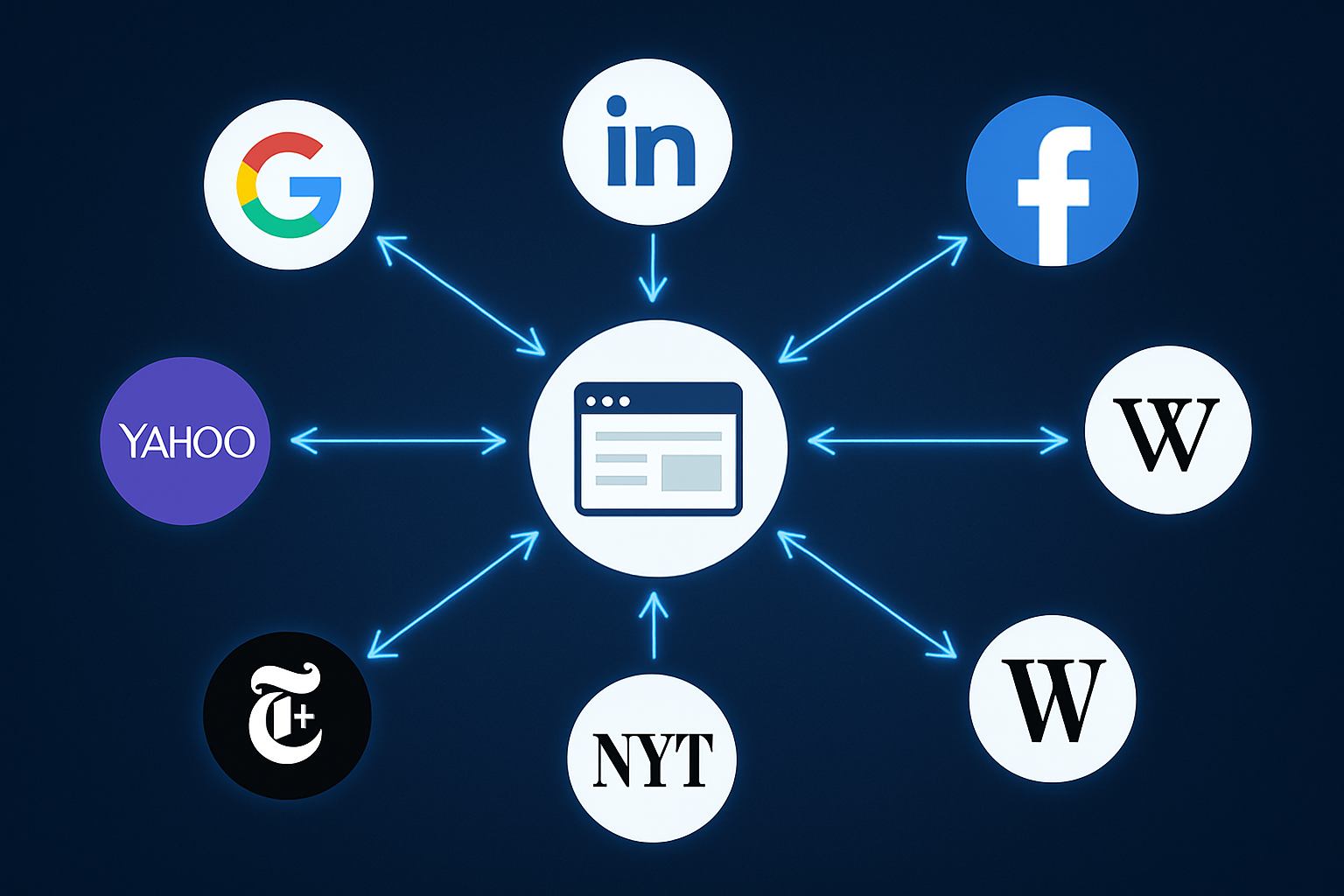
A backlink is defined as a hyperlink from one external website that points to a page on your website. Search engines treat backlinks as votes of confidence — the more high-quality sites linking to you, the more authoritative your site appears. According to industry research, pages with more authoritative backlinks consistently outrank pages with fewer, even when content quality is comparable.
Not all backlinks are equal, however. A single link from a well-respected industry publication is worth far more than dozens of links from low-quality, unrelated sites. Quality always trumps quantity in link building, and pursuing spammy or manipulative link schemes can result in manual penalties from Google.
How Can AI and Modern Tools Improve Your SEO Results?
Artificial intelligence has fundamentally changed how SEO is practiced, analyzed, and scaled in 2026. AI-powered tools can now automate time-consuming tasks like keyword clustering, content gap analysis, rank tracking, and technical audits that used to require hours of manual work. This shift allows marketers to focus more on strategy and creativity rather than repetitive data collection.
Traditional SEO tools — many of which were built over a decade ago — often feel clunky, siloed, and overwhelming for small to mid-sized businesses. Modern platforms are designed to be more intuitive, actionable, and accessible without requiring a deep technical background. The shift toward AI-assisted SEO is not a trend — it is a permanent evolution in how competitive digital marketing works.
If you are looking to leverage AI to grow your search presence faster, understanding how to increase organic visibility with AI SEO software is one of the most valuable investments of your time right now. The businesses adopting these tools early are building a compounding advantage over those still relying on manual processes.
For growing businesses especially, scalability is a major concern. What works for a 10-page website will not work for a 1,000-page e-commerce store. If you are in a growth phase, exploring proven strategies to scale SEO for growing businesses can help you build systems that grow with you rather than bottleneck your progress.
What Metrics Should You Track to Measure SEO Success?
Measuring SEO performance requires looking beyond just keyword rankings. A comprehensive approach tracks multiple signals that together paint an accurate picture of your organic growth. Here are the most important metrics to monitor:
- Organic Traffic: The total number of visitors arriving from search engines, segmented by landing page and keyword.
- Keyword Rankings: Where your target pages appear in search results for specific queries over time.
- Click-Through Rate (CTR): The percentage of searchers who see your listing and choose to click on it.
- Backlink Profile: The quantity, quality, and diversity of external sites linking to your domain.
- Bounce Rate and Engagement: How users interact with your pages once they land — signals whether your content matches their intent.
- Conversion Rate from Organic: The percentage of organic visitors who complete a desired action, like signing up or purchasing.
- Core Web Vitals Scores: Performance metrics that directly influence both rankings and user experience.
Tracking these metrics consistently — ideally in a unified dashboard — allows you to identify what is working, what needs improvement, and where new opportunities exist. SEO without measurement is just guesswork dressed up as strategy.
Frequently Asked Questions
What is SEO in simple terms?
SEO, or Search Engine Optimization, is the practice of improving your website so it appears higher in search engine results like Google, attracting more visitors without paying for ads. It involves optimizing your content, site structure, and online reputation to match what your target audience is searching for.
How long does it take to see results from SEO?
Most websites begin to see measurable SEO results within 3 to 6 months of consistent effort, though competitive industries may take longer. The timeline depends on factors like your domain age, content quality, technical health, and how aggressively competitors are investing in SEO.
Is SEO still worth it in 2026 with AI search changing everything?
Yes — SEO is arguably more important than ever in 2026 because AI-powered search features like Google's AI Overviews pull content directly from well-optimized web pages. Websites that follow strong SEO practices are the ones most likely to be cited and surfaced in these AI-generated responses.
What is the difference between on-page SEO and off-page SEO?
On-page SEO refers to optimizations made directly on your website — such as content quality, title tags, and heading structure — while off-page SEO involves external signals like backlinks and brand mentions from other websites. Both are essential and work together to determine your overall search authority and rankings.
How much does SEO cost?
SEO costs vary widely depending on whether you do it yourself, hire a freelancer, or use an agency or software platform. DIY SEO with a good tool can cost as little as $50–$200 per month, while professional agency services typically range from $1,000 to $5,000+ per month depending on scope and competition level.
Start Growing Your Organic Traffic With the Right SEO Foundation
SEO is one of the most powerful, sustainable, and cost-effective ways to grow your website’s visibility and attract qualified visitors who are actively looking for what you offer. It is not a one-time task — it is an ongoing investment in your digital presence that compounds in value over time. The businesses that commit to SEO consistently are the ones that dominate their markets in the long run.
Whether you are just starting out or looking to take your existing strategy to the next level, having the right tools and guidance makes an enormous difference. RankBloom SEO is built specifically to make smart, modern SEO accessible to businesses without requiring a dedicated team of specialists or a confusing stack of legacy platforms. It brings keyword tracking, content insights, and performance analytics together in one streamlined, AI-powered workspace.
If you are ready to stop guessing and start growing, the foundation you need is already within reach. Give your website the visibility it deserves — and let RankBloom SEO help you earn it.