
An enterprise SEO automation platform is defined as a comprehensive software solution designed to automate, manage, and optimize SEO workflows across large websites, multiple domains, and high-volume content operations. These platforms replace manual, repetitive tasks — like rank tracking, crawl analysis, and content auditing — with intelligent, automated processes. For organizations managing thousands of pages or multiple digital properties, automation is no longer optional; it is the foundation of a competitive SEO strategy.
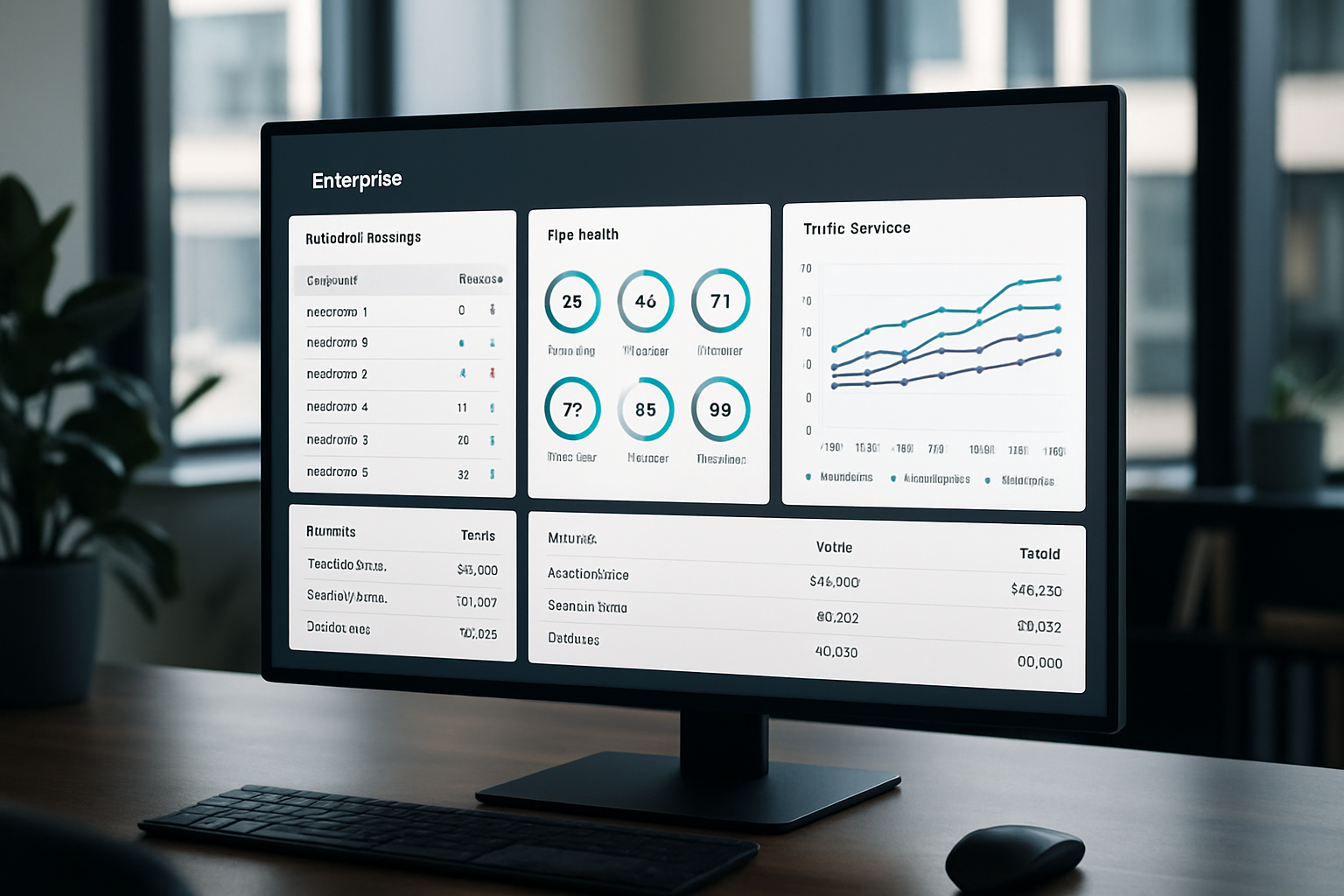
Studies show that enterprise-level organizations that adopt SEO automation report up to a 40% reduction in time spent on routine optimization tasks, freeing SEO teams to focus on strategy and content quality. This is not a minor efficiency gain — it translates directly into faster execution, better agility, and stronger organic performance. In a competitive digital environment where speed and scale matter, automation is the edge that separates growing brands from stagnant ones.
If you are new to the broader concept of how organic search works, understanding what SEO is and how it works to grow your website traffic provides the essential foundation before diving into enterprise-level automation strategies.
What Is an Enterprise SEO Automation Platform and Who Needs It?
An enterprise SEO automation platform is specifically built to handle the complexity, scale, and collaborative demands of large organizations. Unlike standard SEO tools designed for small websites or solo practitioners, enterprise platforms accommodate thousands of URLs, multi-team workflows, custom reporting, and integration with broader marketing technology stacks. They are designed for scale from the ground up.
Organizations that typically need this type of platform include:
- E-commerce stores with tens of thousands of product pages
- Media publishers managing high-volume content calendars
- Global brands with multilingual and multi-domain SEO requirements
- Marketing agencies handling SEO for dozens of enterprise clients
- SaaS companies scaling content-led growth strategies
The defining characteristic is not just the size of the website — it is the need for systematic, repeatable, and measurable SEO processes. Manual spreadsheets and disconnected tools simply cannot keep pace with enterprise demands.
How Does an Enterprise SEO Automation Platform Actually Work?
The best way to understand how enterprise SEO automation works is to think of it as a connected ecosystem rather than a single tool. The platform pulls data from search engines, your website, analytics systems, and content management tools, then automates the analysis and action steps that your team would otherwise do manually. Every component works together in a unified workflow.
Core Automation Capabilities to Expect
A mature enterprise SEO automation platform typically includes several interconnected feature sets. These are not isolated features — they form a coordinated system that reduces human bottlenecks at every stage of the SEO lifecycle. Here is what each major capability delivers:
- Automated Site Crawling and Technical Audits: The platform regularly crawls your entire site and flags technical issues like broken links, duplicate content, slow page speeds, and missing metadata — without requiring your team to manually trigger these audits.
- Keyword Rank Tracking at Scale: Enterprise platforms track thousands of keywords across multiple locations, devices, and search engines simultaneously, delivering daily or real-time ranking updates.
- Content Gap and Opportunity Analysis: Automated analysis identifies which topics your competitors are ranking for that you are not, surfacing high-value opportunities without hours of manual research.
- Internal Linking Automation: The system identifies pages with low internal link equity and recommends or automatically implements linking improvements across large content libraries.
- Reporting and Dashboard Automation: Custom reports are generated and delivered to stakeholders on a scheduled basis, eliminating manual data aggregation that traditionally consumes significant team hours.
Each of these capabilities removes a specific bottleneck that slows down enterprise SEO teams. Together, they allow a lean team to manage an SEO operation that would previously have required a much larger headcount.
Why Does Technical SEO Automation Matter at Enterprise Scale?
Technical SEO is defined as the process of optimizing a website’s infrastructure — including crawlability, indexability, site speed, structured data, and URL architecture — so that search engines can efficiently discover, understand, and rank the site’s content. At enterprise scale, technical SEO problems multiply rapidly. A single template error can affect thousands of pages simultaneously.
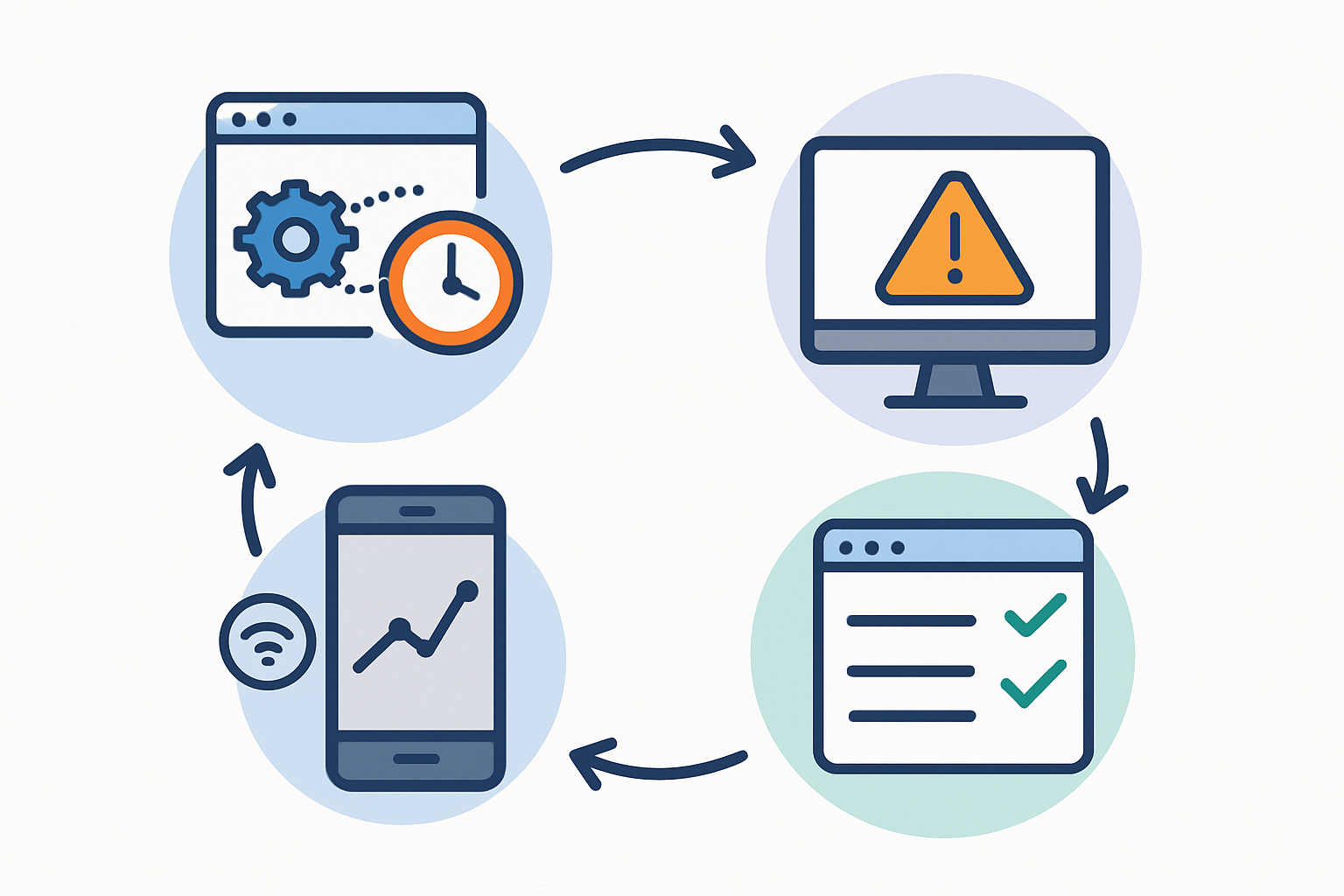
According to industry research, technical SEO issues are responsible for blocking up to 30% of enterprise content from being properly indexed by search engines. This means that even excellent content can fail to rank simply because of crawlability or indexation problems that go undetected without automated monitoring. Automation closes this gap by providing continuous visibility rather than periodic snapshots.
Legacy platforms and traditional SEO tools often require manual configuration and periodic manual audits. Enterprise automation platforms, by contrast, run persistent crawls and trigger alerts the moment a technical problem is detected. This shift from reactive to proactive technical management is one of the most significant advantages of investing in a proper enterprise solution.
Structured Data and Schema Automation
Schema markup is defined as a standardized vocabulary of tags added to website HTML that helps search engines understand the context and meaning of content — enabling rich results like review stars, FAQs, and product pricing in search listings. Implementing schema at scale across thousands of pages is one of the most time-consuming manual tasks in enterprise SEO. Automation platforms handle schema validation, error flagging, and in some cases, automated schema generation at the template level.
For teams that want to go deeper on technical optimization strategies, exploring proven strategies that drive real search engine ranking improvements provides an excellent complement to automation-focused approaches. Automation handles the execution layer, while strategic thinking shapes the direction.
How Does AI Enhance Enterprise SEO Automation Platforms?
Artificial intelligence has fundamentally changed what enterprise SEO automation platforms can deliver. AI is no longer simply a buzzword layered onto existing tools — it is embedded into the core analytical and decision-making functions of modern platforms. The result is a system that does not just surface data but interprets it and recommends intelligent actions.
Key AI-powered capabilities in leading enterprise platforms include:
- Predictive keyword opportunity scoring: AI models analyze search trend data, competition levels, and your domain’s authority to predict which keywords are most likely to generate ROI.
- Automated content briefs: AI generates detailed content briefs based on top-ranking pages, semantic keyword clusters, and search intent analysis — dramatically accelerating content production.
- Anomaly detection: AI continuously monitors traffic and ranking patterns, alerting teams to sudden drops or spikes that indicate algorithmic changes, technical issues, or competitive movements.
- Natural language processing for content scoring: AI evaluates existing content for relevance, depth, and search intent alignment, recommending specific optimizations at the page level.
The integration of AI transforms the platform from a reporting tool into an active strategic partner. Teams that leverage AI-powered enterprise SEO automation consistently outperform those relying on manual analysis alone.
For a detailed look at how AI software is changing organic visibility outcomes, the resource on increasing organic visibility with AI SEO software offers practical context for understanding this shift.
What Are the Key Features to Evaluate When Choosing an Enterprise SEO Automation Platform?
The best way to evaluate enterprise SEO automation platforms is to assess them against your specific organizational needs rather than a generic feature checklist. A platform that works brilliantly for a global e-commerce brand may not be the right fit for a B2B SaaS company with a smaller but highly technical content library. Context matters enormously in this decision.
Must-Have Features for Enterprise Teams
| Feature Category | What to Look For | Why It Matters |
|---|---|---|
| Crawl Capacity | Ability to crawl millions of URLs on a scheduled basis | Ensures technical issues are caught at scale |
| Keyword Tracking | Tracking for 10,000+ keywords with geo-location | Provides accurate local and global ranking visibility |
| API Access | Robust API for data integration with BI tools | Enables custom reporting and data warehousing |
| User Management | Role-based permissions and team collaboration tools | Supports multi-team and multi-stakeholder workflows |
| AI Recommendations | Automated actionable insights and prioritization | Reduces decision fatigue and accelerates execution |
| Reporting Automation | Scheduled, customizable reports for different audiences | Saves hours of manual reporting per week |
Beyond these core features, evaluate the platform’s customer support quality, onboarding process, and update cadence. Enterprise tools require ongoing partnership, not just a software subscription. The vendor relationship is as important as the product itself.
How Can Enterprise Teams Maximize ROI from SEO Automation?
X is only as powerful as the strategy guiding it — and enterprise SEO automation is no exception. Platforms deliver maximum ROI when teams combine automation capabilities with clear workflows, defined ownership, and regular strategic reviews. Without this structure, even the most powerful platform becomes an underutilized reporting dashboard.
Practical Steps to Drive Results
- Conduct a workflow audit before implementation: Map out every existing SEO task your team performs manually and identify which ones the platform can absorb immediately.
- Set clear KPIs linked to business outcomes: Track metrics like organic revenue contribution, indexed page growth, and crawl error resolution rate — not just traffic volume.
- Establish an automation governance model: Define who owns each automated process, who reviews flagged issues, and how recommendations are prioritized and actioned.
- Integrate with your content and development pipelines: SEO automation delivers the greatest value when it is embedded into content production and engineering workflows rather than operating in isolation.
- Review automation outputs regularly: Schedule monthly reviews to assess which automated recommendations are generating results and refine the platform’s settings accordingly.
Research from enterprise marketing teams indicates that organizations with clearly defined SEO automation governance models see 2.3x higher ROI from their platform investment compared to teams that deploy the tool without structured processes. Governance is not bureaucracy — it is the operational infrastructure that makes automation actually work.
For organizations that are in the growth phase and need a scalable approach, the strategies outlined in how to scale SEO for growing businesses align closely with the automation priorities covered here.

Why Choose a Dedicated Enterprise SEO Automation Platform Over General Marketing Tools?
General-purpose marketing platforms often include basic SEO features as one component of a broader suite. Enterprise SEO automation platforms, by contrast, are purpose-built for the depth, scale, and complexity that serious organic search programs demand. The difference is significant in practice, not just in marketing language.
Traditional SEO tools and legacy platforms were designed for a simpler search landscape with smaller websites and slower content cycles. Today’s enterprise environment requires platforms that handle continuous crawling, real-time ranking shifts, AI-driven content optimization, and cross-team collaboration simultaneously. General tools hit their ceiling quickly when applied to enterprise demands.
Dedicated enterprise platforms also offer significantly stronger integrations with the broader marketing technology ecosystem — including CRM platforms, content management systems, analytics tools, and data visualization software. These integrations allow SEO data to flow directly into business intelligence systems, making organic search a visible and measurable contributor to overall revenue reporting.
Frequently Asked Questions
Frequently Asked Questions
What makes an SEO platform "enterprise-grade" compared to a standard tool?
An enterprise-grade SEO automation platform is built to handle massive scale — including millions of URLs, thousands of keywords, multi-team workflows, and complex integrations — whereas standard tools are optimized for smaller websites and individual users. The distinction lies in crawl capacity, collaboration features, API access, and the depth of automation and AI capabilities.
How long does it typically take to see results from an enterprise SEO automation platform?
Most enterprise teams begin to see measurable efficiency gains — such as reduced manual task time and faster issue resolution — within the first 30 to 60 days. Organic traffic and ranking improvements typically become statistically significant within three to six months, depending on the competitiveness of the industry and the scale of technical issues addressed.
Can enterprise SEO automation platforms handle multilingual and multi-regional SEO?
Yes, leading enterprise SEO automation platforms are designed to support multilingual websites, hreflang management, and geo-targeted keyword tracking across multiple regions and search engines. This is particularly important for global brands that need to maintain SEO performance across different language markets simultaneously.
Is SEO automation suitable for companies that already have a large in-house SEO team?
Absolutely — in fact, large in-house teams benefit most from automation because it eliminates the repetitive, time-consuming tasks that consume skilled SEO professionals' capacity. Automation handles the execution layer, allowing experienced team members to focus on high-value strategic work like content planning, link strategy, and competitive analysis.
What integrations should an enterprise SEO automation platform offer?
A well-built enterprise SEO automation platform should integrate with web analytics systems, content management platforms, CRM tools, data visualization software, and developer workflows. API access is essential for connecting the platform to custom business intelligence dashboards, ensuring SEO data flows into company-wide performance reporting.
The Bottom Line: Automation Is the Future of Enterprise SEO
Enterprise SEO automation platforms are not simply efficiency tools — they are strategic infrastructure for organizations that take organic growth seriously. The brands winning in organic search today are those that have replaced fragmented manual workflows with unified, intelligent automation systems that operate continuously and at scale.
The competitive advantage created by an enterprise SEO automation platform compounds over time. As the platform learns your website’s patterns, your team’s workflows become sharper, your content output improves, and your technical health stays consistently strong — creating a self-reinforcing cycle of organic growth.
If you are ready to stop managing SEO manually and start scaling it intelligently, RankBloom SEO is built precisely for this challenge. RankBloom SEO combines enterprise-grade automation capabilities with AI-powered insights, giving your team the tools to execute faster, optimize smarter, and grow organic traffic without growing your headcount. It is the modern alternative to legacy platforms that were never designed for today’s search landscape.
Start your enterprise SEO automation journey with RankBloom SEO today — and discover what your organic growth looks like when it is no longer limited by manual processes.