
An automated SEO platform for marketers is a software solution that replaces repetitive, time-consuming SEO tasks — like keyword tracking, site audits, and content optimization — with intelligent, automated workflows. Marketers who adopt these platforms consistently report faster results, fewer errors, and more time to focus on strategy rather than data entry. In a competitive digital landscape where every ranking point matters, automation is no longer a luxury — it’s a necessity.
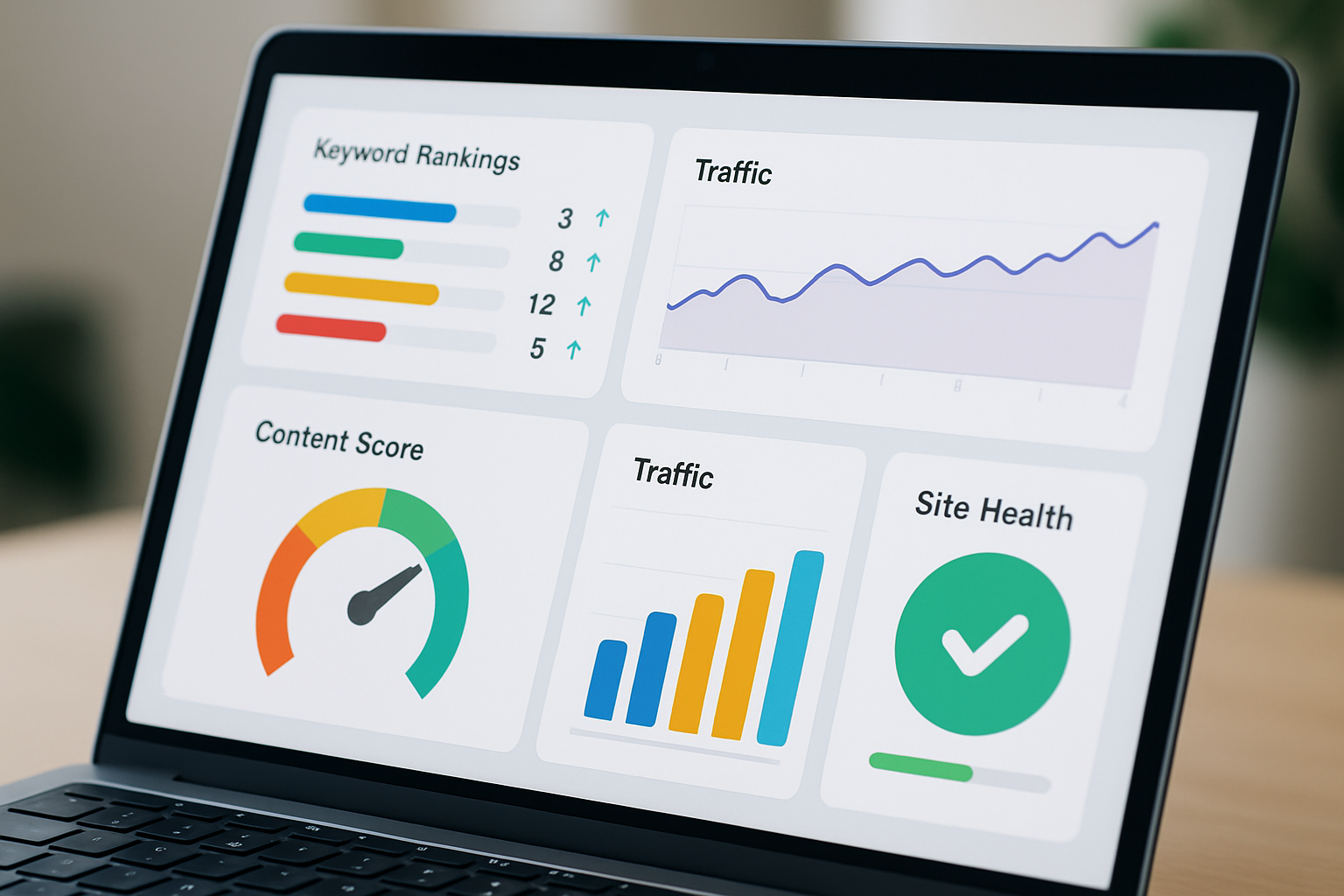
Studies show that marketing teams using automated SEO tools save an average of 12 hours per week on manual SEO tasks compared to those relying on legacy platforms. That’s nearly a full work day and a half reclaimed every single week. Over a quarter, that time savings translates directly into more campaigns, more content, and more revenue opportunities.
The best way to understand the value of an automated SEO platform is to compare it against traditional approaches — spreadsheets, disconnected tools, and manual reporting — that fragment your workflow and slow down your decision-making. This article walks you through what these platforms do, how they work, who benefits most, and what to look for when choosing one. You’ll also find actionable advice to help you get started right away.
What Is an Automated SEO Platform for Marketers?
An automated SEO platform is defined as a unified software system that uses rules, algorithms, and artificial intelligence to perform SEO tasks with minimal human input. These tasks include crawling your website, identifying technical issues, tracking keyword positions, generating content briefs, and producing performance reports. The goal is to eliminate the manual bottlenecks that slow marketing teams down.
Traditional SEO tools typically required users to run audits manually, pull data from multiple sources, and piece together insights by hand. An automated platform does this work continuously in the background, alerting you only when action is needed. This shift from reactive to proactive SEO is the defining characteristic of modern marketing automation.
Keyword tracking is defined as the ongoing process of monitoring where specific search terms rank in search engine results pages (SERPs) over time. Automated platforms handle this tracking 24/7, giving marketers real-time visibility into ranking changes without any manual logging. To understand keyword tracking in depth, explore this guide on what keyword tracking is and how it powers your SEO strategy.
How Does Automation Change the Way Marketers Work With SEO?
Automation fundamentally shifts the marketer’s role from data collector to data interpreter. Instead of spending hours pulling rank reports or running site crawls, marketers focus their energy on acting on insights that the platform surfaces automatically. This change improves both efficiency and the quality of strategic decisions.
Here are the core workflows that an automated SEO platform handles on your behalf:
- Site audits: Scheduled crawls identify broken links, slow pages, missing meta tags, and duplicate content automatically.
- Keyword research: AI-driven tools suggest keyword opportunities based on your niche, competition level, and current rankings.
- Content optimization: The platform analyzes top-ranking pages and recommends improvements to your existing content.
- Rank tracking: Daily or weekly position updates for every tracked keyword, without manual input.
- Reporting: Automated reports are generated and sent to stakeholders on a schedule you define.
- Backlink monitoring: New and lost backlinks are flagged automatically so you can respond quickly.
Each of these workflows, when handled manually, is prone to human error and inconsistency. Automation standardizes execution so nothing slips through the cracks. For marketers managing multiple websites or clients, this consistency is invaluable.
Why Should Marketers Choose an Automated SEO Platform Over Manual Methods?
Marketers should choose an automated SEO platform because manual methods simply cannot keep pace with the speed and complexity of modern search. Google updates its algorithm an estimated 500 to 600 times per year, and each update can shift rankings overnight. Automated platforms monitor these changes in real time, while manual tracking often catches issues days or weeks too late.
Beyond speed, automation delivers three strategic advantages:
- Scalability: An automated platform can track thousands of keywords and audit hundreds of pages simultaneously — a task that would require an entire team if done manually.
- Accuracy: Automated data collection removes human error from the equation, ensuring your reports reflect reality.
- Consistency: Automation runs on a schedule regardless of workload, vacations, or staffing changes.
Research from 2025 found that companies using automated SEO workflows saw a 34% higher year-over-year organic traffic growth rate compared to those relying on manual processes. That gap is widening as AI-powered tools become more capable. The opportunity cost of staying manual is growing every quarter.
What Features Define a High-Quality Automated SEO Platform for Marketers?
Not all automated platforms are created equal, and the wrong choice can waste both budget and time. The best platforms combine breadth of features with ease of use, so marketers at all experience levels can benefit immediately. Here are the features to prioritize when evaluating any automated SEO platform for marketers:
Intelligent Keyword Research and Clustering
Keyword clustering is defined as the process of grouping related search terms into topic-based clusters so that a single page can rank for multiple related queries. Automated platforms with AI-driven clustering save hours of manual spreadsheet work while improving your content structure. The result is a more topically authoritative website that search engines trust.
Look for platforms that not only suggest keywords but also map them to specific pages or content gaps on your site. This mapping feature transforms raw keyword data into an actionable content plan. For deeper guidance on content creation tied to keyword strategy, read this in-depth resource on using an SEO content generation tool to create high-ranking content faster and smarter.
Automated Technical SEO Audits
A strong platform will crawl your entire website on a recurring schedule and categorize issues by severity — critical, warning, and informational. This prioritization ensures your team addresses the problems that matter most to rankings first. Automated alerts mean you’re notified immediately when new issues appear rather than discovering them weeks later.
Technical audit features should cover Core Web Vitals, mobile usability, structured data errors, crawl budget issues, and HTTPS security. Each of these factors directly influences how search engines index and rank your pages. A platform that monitors all of them automatically gives you a significant competitive edge.
AI-Powered Content Optimization
AI-powered content optimization analyzes the top-ranking pages for your target keyword and identifies the topics, entities, and semantic terms your content needs to include to compete. This goes far beyond simple keyword density checking. The best platforms provide a content score that updates dynamically as you write or edit.
This feature is especially valuable for marketing teams producing content at scale. Instead of each writer researching what competitors cover, the platform generates a brief automatically. Consistent use of AI content optimization can dramatically improve the percentage of your pages that rank on page one.

Unified Reporting and Dashboards
Reporting is one of the most time-consuming tasks in any SEO workflow, yet it’s also one of the easiest to automate. A quality platform generates branded, client-ready reports on a schedule and delivers them via email or a shared dashboard. This eliminates the end-of-month reporting crunch that marketing teams dread.
The best dashboards consolidate organic traffic, keyword rankings, backlink health, and technical score in one place. This single-source-of-truth view makes it easy to spot trends, identify wins, and flag problems quickly. Stakeholders get the transparency they need without the team spending hours in spreadsheets.
Who Benefits Most From an Automated SEO Platform?
Virtually every type of marketer benefits from automation, but certain use cases see the highest return on investment. Understanding where you fit helps you choose the right platform configuration and set realistic expectations for results.
- In-house marketing teams: Teams managing a single brand website gain speed and consistency without needing to hire additional SEO specialists.
- Digital marketing agencies: Agencies managing dozens of client websites rely on automation to deliver quality work at scale without proportionally scaling headcount.
- E-commerce marketers: Large product catalogs with thousands of pages require automated auditing and rank tracking that manual methods cannot sustain.
- Content marketers: Writers and content strategists use automated keyword research and optimization tools to produce higher-ranking content with less guesswork.
- Small business owners: Even solo operators benefit from automation by accessing enterprise-level SEO insights without needing deep technical expertise.
If you’re a small business owner just beginning to explore SEO, understanding the foundational benefits is a helpful first step — this article on the benefits of SEO for small businesses and how organic search drives real growth gives you the context you need before choosing a platform.
How Do You Choose the Right Automated SEO Platform for Your Marketing Team?
Choosing the right platform starts with auditing your current SEO workflow and identifying where the biggest time drains and accuracy gaps exist. If your team spends most of its time on manual reporting, prioritize a platform with strong reporting automation. If content production is your bottleneck, focus on AI writing and optimization features.
Use this checklist when evaluating platforms:
- Does it offer automated site audits on a recurring schedule?
- Does it include keyword research with AI-powered clustering?
- Can it track unlimited or a large volume of keywords?
- Does it provide content optimization recommendations?
- Are reports fully automated and customizable?
- Is there a clear onboarding process and responsive support?
- Does it integrate with Google Search Console and Google Analytics?
- Is the pricing transparent and scalable with your team’s growth?
Avoid platforms that lock core features behind expensive enterprise tiers or charge per-user fees that balloon as your team grows. The right automated SEO platform for marketers should feel like an extension of your team, not an additional management burden.
What Common Mistakes Do Marketers Make When Using SEO Automation?
Automation is powerful, but it’s not a substitute for strategy. The most common mistake marketers make is treating an automated platform as a set-it-and-forget-it solution and neglecting to act on the insights it generates. A platform can surface a critical technical issue, but a human still needs to prioritize and implement the fix.
Other frequent mistakes include:
- Ignoring the content angle: Automating keyword tracking and audits without also automating content optimization leaves significant ranking potential on the table.
- Tracking vanity keywords only: Focusing exclusively on high-volume terms while ignoring long-tail opportunities misses a large share of buyer-intent traffic.
- Skipping onboarding: Most platforms have setup steps that dramatically improve data accuracy — skipping them leads to unreliable insights.
- Not aligning automation with business goals: Your platform should track the keywords and pages that directly connect to revenue, not just traffic.
Marketers who treat automation as a decision-support tool — rather than a replacement for strategic thinking — consistently outperform those who don’t. The platform handles the volume; you provide the direction.
How Does AI Enhance Automated SEO Platforms for Marketers?
AI enhances automated SEO platforms by enabling them to learn from data patterns, predict ranking opportunities, and generate actionable recommendations that rule-based systems cannot produce. Modern platforms use natural language processing (NLP) to understand search intent, entity relationships, and content relevance at a level that mimics how search engines evaluate pages. This intelligence layer is what separates truly modern platforms from legacy tools.
AI features you’ll find in leading automated platforms include predictive rank forecasting, automated content briefs, semantic keyword expansion, and smart internal linking suggestions. Each of these features reduces guesswork and accelerates the path from research to ranking. To understand the full scope of how AI is reshaping SEO, explore this comprehensive article on AI SEO software and how artificial intelligence is transforming search optimization.
AI also enables platforms to prioritize recommendations intelligently. Rather than presenting a list of 200 technical issues with equal weight, an AI-powered platform ranks them by potential ranking impact. This means your team always works on the tasks most likely to move the needle first.
Frequently Asked Questions
What is an automated SEO platform for marketers?
An automated SEO platform for marketers is a software solution that handles repetitive SEO tasks — including site audits, keyword tracking, content optimization, and reporting — automatically using AI and scheduled workflows. It allows marketing teams to scale SEO efforts without proportionally increasing manual work.
How much time can automation save in an SEO workflow?
Marketing teams using automated SEO platforms typically save 10 to 15 hours per week compared to manual methods. Over a month, that equals 40 to 60 hours that can be redirected toward strategy, content creation, and campaign execution.
Can small businesses benefit from an automated SEO platform?
Yes, small businesses benefit significantly because automated platforms provide enterprise-level SEO insights without requiring deep technical expertise or a large team. Even a solo business owner can track rankings, fix technical issues, and optimize content using automation.
Is an automated SEO platform suitable for beginners?
Most modern automated SEO platforms are designed with beginners in mind, offering guided onboarding, plain-language recommendations, and prioritized task lists. Beginners benefit most by starting with keyword tracking and content optimization features before exploring advanced technical audit capabilities.
How is an automated SEO platform different from traditional SEO tools?
Traditional SEO tools typically require manual operation — you run audits, pull reports, and analyze data yourself. An automated SEO platform performs these tasks continuously in the background, sends alerts when action is needed, and integrates all functions into one unified dashboard.
What should I look for in an automated SEO platform for a marketing agency?
Agency marketers should prioritize platforms that support multi-site management, white-label reporting, scalable keyword tracking, and team collaboration features. Automated client reporting is especially valuable for agencies managing large portfolios of websites.
Start Growing Smarter With the Right Automated SEO Platform
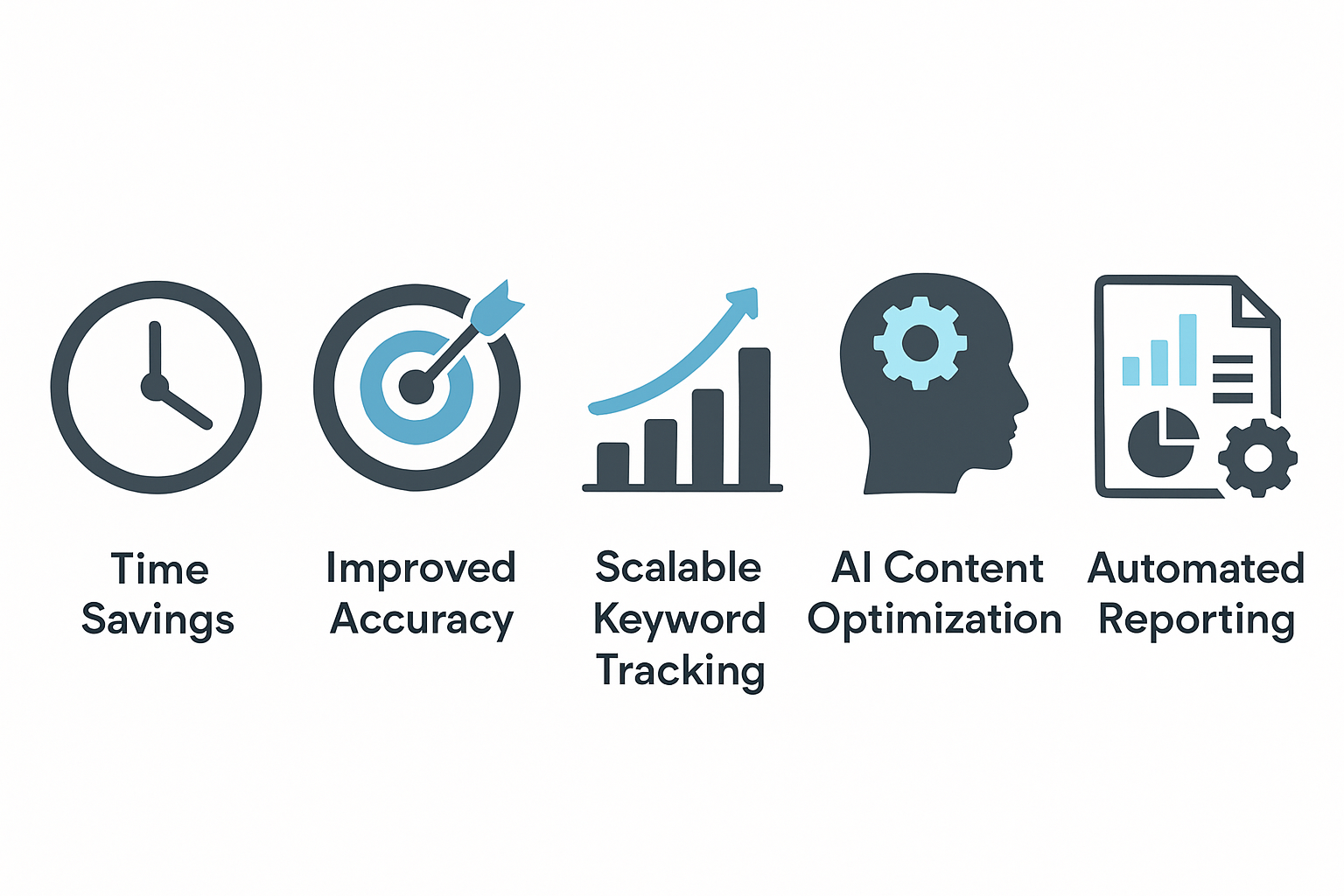
An automated SEO platform for marketers is the single most impactful tool you can add to your digital marketing stack in 2026. It saves time, improves accuracy, scales your efforts, and ensures that every ranking opportunity is identified and acted on. Whether you manage one website or one hundred, automation gives you a structural advantage that manual workflows simply cannot match.
The marketers and teams seeing the strongest organic growth are those who’ve moved beyond disconnected tools and manual processes. They’ve invested in a unified platform that works continuously on their behalf — auditing, tracking, optimizing, and reporting without constant human supervision. That’s the competitive edge that automation delivers.
RankBloom SEO is built specifically for marketers who want all of these capabilities in one streamlined platform. From AI-powered keyword research and automated site audits to intelligent content optimization and scheduled reporting, RankBloom SEO handles the heavy lifting so your team can focus on strategy and growth. If you’re ready to stop working harder and start ranking smarter, RankBloom SEO is the modern, marketer-first platform designed to help you do exactly that.