
An automated SEO content creation tool is software that uses artificial intelligence to research, write, and optimize content for search engines — without requiring manual effort at every step. These tools have transformed how marketers, bloggers, and businesses approach content production in 2026. Instead of spending hours on keyword research and drafting, teams can now generate publication-ready content in minutes.
The demand for high-quality content has never been higher, and search engines are rewarding depth, relevance, and consistency more than ever. Businesses that publish regularly outperform competitors who post sporadically, making content volume a real competitive advantage. Automated tools make that volume achievable — even for small teams with limited resources.
If you are still building your foundational knowledge, reading up on what SEO is and how it works to grow your website traffic will help you get more from everything covered in this article.
What Is an Automated SEO Content Creation Tool?
An automated SEO content creation tool is defined as a platform that combines natural language processing (NLP), keyword intelligence, and content structuring algorithms to produce optimized written content at scale. These tools analyze top-ranking pages for a given keyword and use that data to inform the structure, depth, and tone of new content. The result is content that is built to compete from the moment it is published.
Natural language processing (NLP) is defined as a branch of artificial intelligence that enables computers to understand, interpret, and generate human language in a contextually meaningful way. NLP is the engine behind modern content tools — it is what allows AI to write in a natural, readable voice rather than producing robotic text. Without NLP, automated content would be unusable in real-world publishing environments.
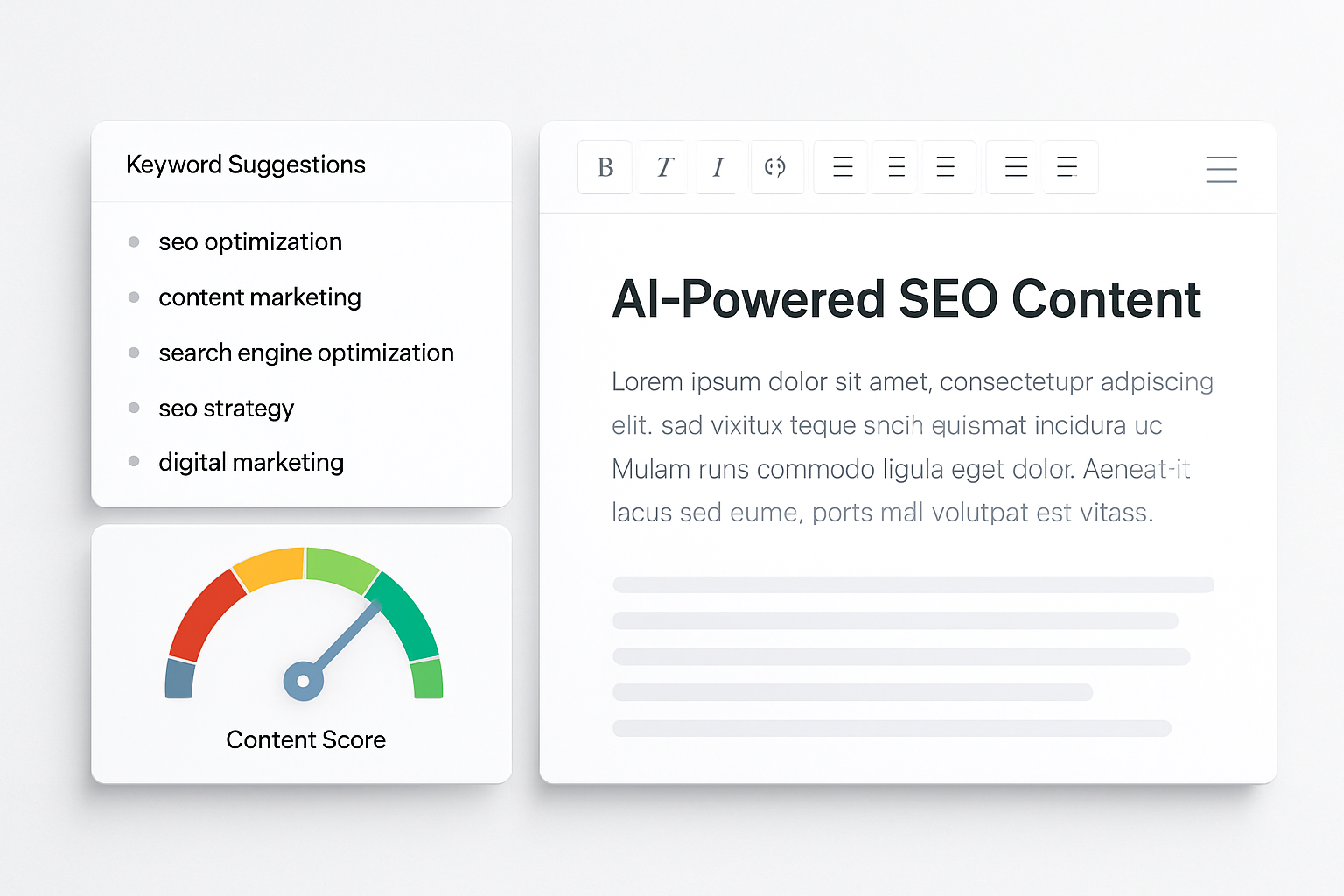
These tools are not just writing assistants. They handle keyword placement, heading structure, internal linking suggestions, meta descriptions, and readability scoring — all in a single workflow. This end-to-end automation is what separates modern platforms from older, single-function tools.
How Does Automated SEO Content Creation Actually Work?
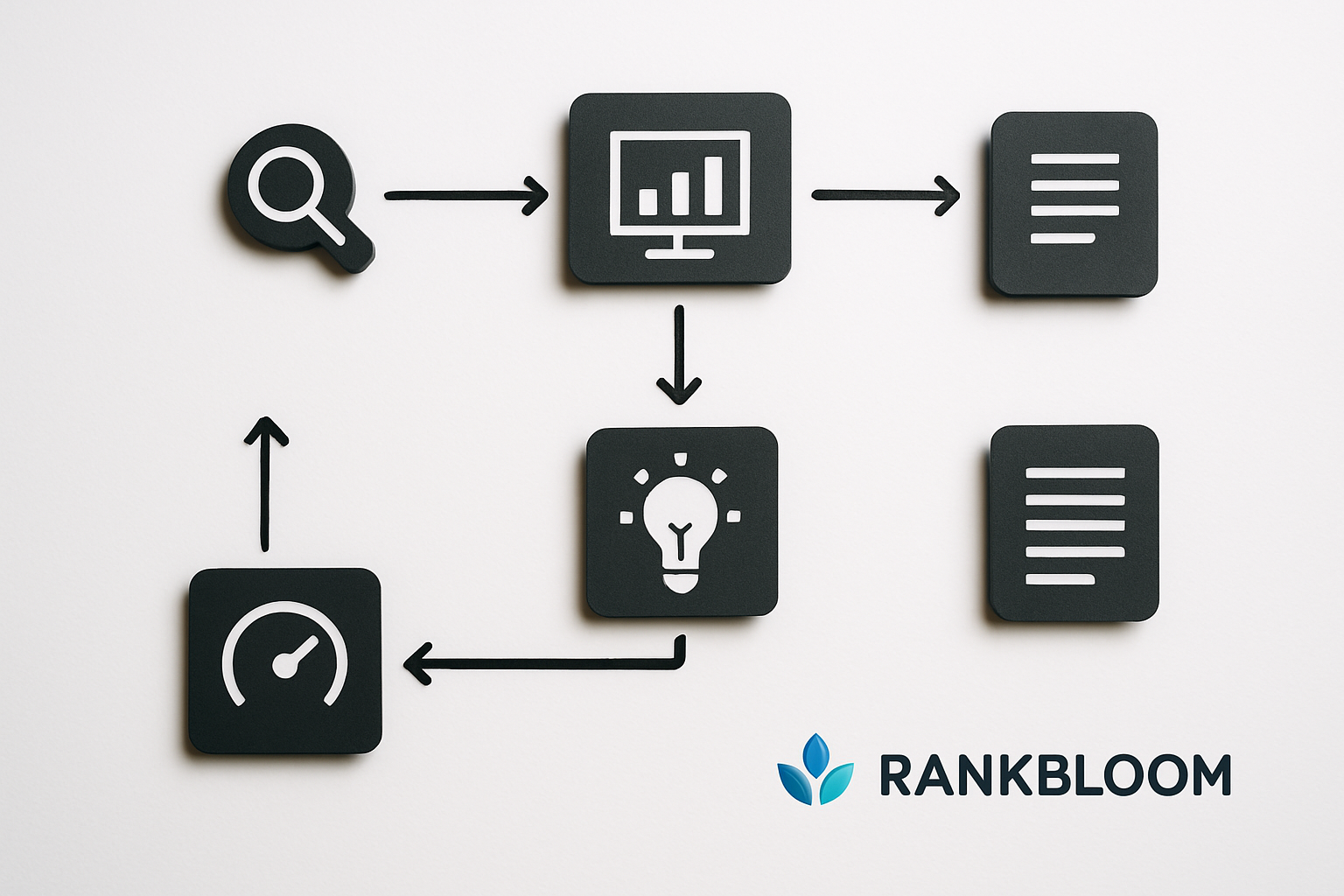
The process typically follows a structured pipeline that moves from research to publication in a few clear steps. Understanding each stage helps you use these tools more strategically and get better results from your content investment.
- Keyword Input: You enter a target keyword or topic, and the tool pulls ranking data, search volume, and competitor insights.
- SERP Analysis: The AI reviews the top-ranking pages for that keyword to identify common headings, subtopics, and content gaps.
- Content Brief Generation: The tool creates a structured outline with suggested H2s, H3s, and key points to cover.
- AI Drafting: The AI writes a full draft based on the brief, incorporating the target keyword at the recommended density.
- Optimization Scoring: The draft is scored against SEO benchmarks — readability, keyword usage, content length, and semantic relevance.
- Human Review and Publishing: A human editor reviews, adjusts tone if needed, and publishes or schedules the content.
According to a 2025 content marketing report, businesses using AI-assisted content workflows publish 3.5 times more content per month than those relying on fully manual processes. That volume advantage compounds over time, creating significantly larger content libraries and broader keyword coverage. More indexed pages means more organic entry points into your site.
The SERP analysis step is particularly powerful because it removes guesswork. Instead of estimating what a top-ranking article should cover, the tool tells you exactly what Google is already rewarding for that keyword. You are essentially given a roadmap to relevance before you write a single word.
Why Are Automated SEO Content Creation Tools So Valuable for Modern Businesses?
Studies show that over 68% of online experiences begin with a search engine query, which means organic search remains one of the highest-value traffic channels available to any business. Feeding that channel requires a consistent publishing cadence that most teams struggle to maintain manually. Automated content tools solve this operational challenge directly.
The value goes beyond speed. These platforms enforce SEO best practices at the structural level, meaning even junior writers or non-technical marketers produce content that is properly optimized. This standardization reduces the quality gap between your best and worst-performing pieces. Consistency at scale is one of the most underrated growth drivers in content marketing.
For businesses looking to grow sustainably, understanding how to scale SEO for growing businesses is essential context for making the most of any automated content tool you adopt.
Key Benefits of Using an Automated SEO Content Creation Tool
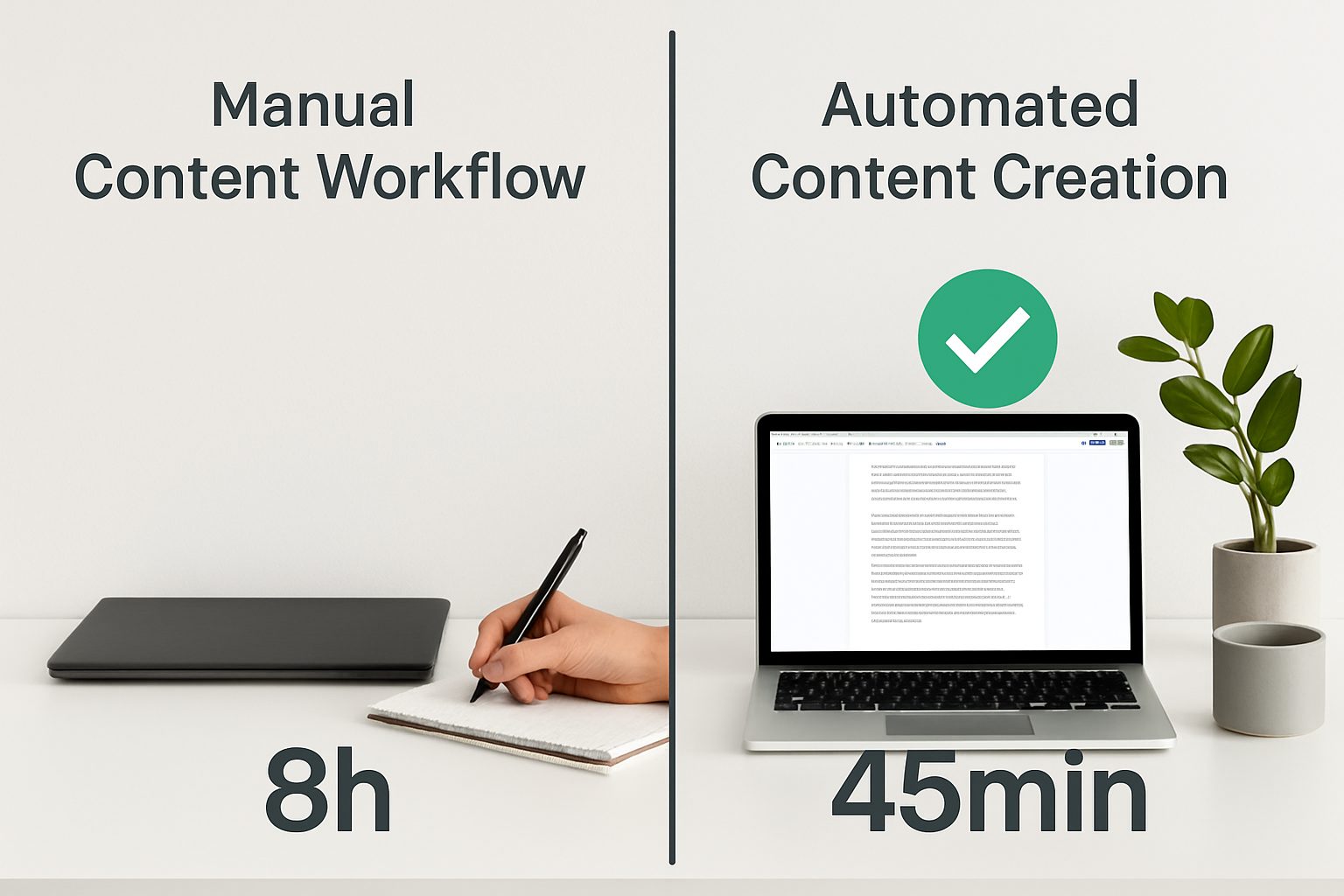
- Speed: Reduce content production time from hours to minutes for each article.
- Consistency: Every piece follows the same SEO structure and quality standards automatically.
- Scale: Publish across dozens of topics and keyword clusters simultaneously without growing your team.
- Cost Efficiency: Lower content production costs compared to relying entirely on freelance writers or large in-house teams.
- Data-Driven Output: Every draft is informed by real ranking data, not assumptions or guesswork.
- Continuous Optimization: Many tools flag content that needs refreshing as ranking conditions change over time.
How Do Automated Tools Handle Keyword Research and Targeting?
Keyword research is the foundation of any effective SEO strategy, and modern automated content tools integrate this process directly into the content creation workflow. Rather than switching between separate research tools and writing platforms, users can identify, evaluate, and target keywords within a single interface. This integration eliminates friction and reduces the chance of keywords getting lost between research and execution.
The best automated SEO content creation tools analyze keywords across multiple dimensions: search volume, keyword difficulty, user intent, and semantic variations. Intent classification is especially critical — a tool that cannot distinguish between informational, navigational, and transactional queries will produce content that ranks for the wrong audience. Matching content type to search intent is one of the fastest ways to improve click-through rates from organic results.
Research published in early 2026 found that content aligned with search intent generates up to 45% more organic clicks than content that targets keywords without intent matching. This is not a minor difference — it is nearly half again as many visitors for the same ranking position. Automated tools that bake intent analysis into their workflow give you this advantage by default.
What Makes a Good Keyword Strategy Inside an Automated Tool?
A strong keyword strategy inside an automated content platform focuses on building topical clusters rather than targeting isolated keywords. Topical authority — where your site is recognized as a trusted resource on a broad subject — is one of the most durable ranking strategies available today. Automated tools help you map these clusters by identifying related terms and recommending content that fills gaps in your existing coverage.
Long-tail keywords are often underutilized, especially by businesses newer to SEO. Long-tail keywords are defined as search phrases with three or more words that target a specific, narrow intent and typically have lower competition than shorter head terms. Automated tools excel at surfacing long-tail opportunities that manual research might overlook. These terms often convert at higher rates because searchers are further along in their decision-making process.
How Does Automated Content Creation Improve On-Page SEO?
On-page SEO is where automated content tools deliver some of their most consistent and measurable value. Every element that Google evaluates on the page — heading hierarchy, keyword placement, internal links, meta descriptions, image alt text — can be handled or prompted by a good automated tool. This means your pages are optimized before they even go live, rather than patched up after the fact.
The best tools provide real-time optimization scoring as you write or review the AI-generated draft. If your keyword density is too low, the tool flags it. If you are missing relevant subtopics that top-ranking competitors cover, the tool suggests them. This live feedback loop makes it nearly impossible to publish a structurally weak piece of content.
For a deeper understanding of the on-page and off-page strategies that drive rankings, exploring proven strategies that improve search engine ranking will complement everything your automated tool does for you. Technical excellence and strategic thinking work together — one without the other limits your results.
What On-Page Elements Should Your Tool Optimize Automatically?
- Title Tags: Generated with the target keyword in the optimal position (front-loaded).
- Meta Descriptions: Written to maximize click-through with a clear value proposition.
- H1, H2, H3 Hierarchy: Structured to guide both readers and search engine crawlers logically.
- Keyword Placement: Naturally distributed throughout the introduction, headings, and body.
- Internal Link Suggestions: Relevant internal pages recommended to strengthen site architecture.
- Readability Score: Flesch-Kincaid or similar scoring to ensure content is accessible to your target audience.
- Content Length Recommendations: Based on what is already ranking for the target keyword.
What Should You Look for When Choosing an Automated SEO Content Creation Tool?
The market for AI content tools has expanded rapidly, and not all platforms deliver the same quality of output or SEO integration. Choosing the wrong tool means investing time in a workflow that produces content requiring heavy editing before it is usable. The right tool should feel like a skilled collaborator, not a source of raw material that still needs to be built from scratch.
There are several critical features to evaluate before committing to any platform. Consider these must-have capabilities when comparing your options:
- SERP-Based Content Briefs: The tool must analyze actual ranking pages, not just keyword databases.
- NLP-Quality Output: Content should read naturally and require minimal editing for tone and flow.
- Real-Time SEO Scoring: Optimization feedback should be live, not a post-draft report.
- Intent Detection: The platform should classify keyword intent before generating content.
- Keyword Cluster Support: Look for tools that help you build topical authority, not just individual articles.
- Integration Capabilities: The tool should connect with your CMS, analytics, and other marketing platforms.
- Content Refresh Alerts: Automated flagging when existing content loses ranking ground.
Avoid legacy platforms that bolt on AI features as an afterthought. Traditional SEO tools built for the pre-AI era often add content generation as a secondary feature, which means the quality and integration are never as deep as purpose-built platforms. You want AI at the core, not at the margins.
How Does Automated Content Creation Fit Into a Broader SEO Strategy?
Automated content creation is one powerful component of a complete SEO strategy — it is not a standalone solution. The highest-performing SEO programs combine great content with technical site health, strong backlink profiles, and ongoing performance monitoring. Content gets you in the game; the rest of the strategy determines how long you stay at the top.
Tracking how your published content performs is essential for continuous improvement. Using keyword tracking software to monitor rankings and grow your organic traffic gives you the data you need to know which content is working and where to focus next. Without tracking, you are publishing in the dark. With it, every new article is informed by the performance of everything that came before.
Content refresh strategy is where many businesses leave significant ranking value on the table. Studies show that updating existing content can increase organic traffic by up to 106% on pages that have started to lose ground. Automated tools that alert you to content decay — pages where rankings are slipping — allow you to act quickly before traffic losses compound. Prevention is always cheaper than recovery in SEO.
How Should You Integrate Automated Content Into Your Editorial Calendar?
The most effective approach treats automated content tools as a production engine within a strategically planned editorial calendar. Use the tool to generate drafts on schedule, but anchor each piece to a specific keyword goal, audience segment, and conversion objective. Content without a strategic purpose, even if well-optimized, is unlikely to drive meaningful business results.
Assign human editors to review AI-generated drafts for brand voice, accuracy, and any industry-specific nuances the AI may have generalized. A 20-minute human review of a well-structured AI draft is far more efficient than writing from scratch. This hybrid workflow — AI for speed and structure, humans for brand and precision — is the gold standard in 2026.
Frequently Asked Questions
What is an automated SEO content creation tool?
An automated SEO content creation tool is a software platform that uses artificial intelligence and NLP to research, write, and optimize content for search engines automatically. It handles keyword analysis, content structuring, and SEO scoring within a single workflow.
Can automated SEO content rank on Google without human editing?
AI-generated content can rank, but human review significantly improves quality, brand voice alignment, and factual accuracy. A hybrid approach — where humans refine AI drafts — consistently outperforms fully automated publishing for long-term ranking results.
How much time does an automated SEO content creation tool save?
Research indicates that AI-assisted content workflows can reduce production time by up to 70% per article. Businesses using these tools publish an average of 3.5 times more content per month compared to fully manual teams.
Is automated content creation suitable for small businesses and beginners?
Yes — automated tools are particularly valuable for small businesses and beginners because they enforce SEO best practices automatically, without requiring deep technical knowledge. They make it possible to produce optimized content at scale even with a very small team.
How do I avoid low-quality output from an AI content tool?
Choose a tool with SERP-based content briefs, strong NLP output quality, and real-time SEO scoring rather than post-draft reports. Always apply a human editing pass to align the content with your brand voice and verify any specific claims or data points.
Start Creating Content That Actually Ranks
An automated SEO content creation tool is one of the highest-leverage investments a business can make in its organic growth strategy today. It solves the two biggest barriers to content marketing success — speed and consistency — while ensuring every piece is built on real ranking data from the start. The businesses winning in organic search right now are the ones publishing more, more strategically, and more efficiently than their competitors.
If you are ready to move from sporadic publishing to a scalable, data-driven content engine, RankBloom SEO is built exactly for that. RankBloom SEO combines AI-powered content creation with keyword intelligence, ranking tracking, and performance analytics in one modern platform — giving you everything you need to grow organic traffic without juggling a dozen separate tools.
Whether you are just starting out or looking to significantly accelerate an existing SEO program, RankBloom SEO gives you the infrastructure to compete at scale. Stop letting your competitors outpublish you — start building the content library your organic rankings deserve.