
A keyword tracking tool online is software that monitors where your website ranks in search engine results for specific search terms, updated on a regular schedule. Without this data, you are essentially flying blind — publishing content and hoping it performs without knowing whether it actually does. Understanding your ranking positions is one of the most fundamental steps in building a successful SEO strategy.
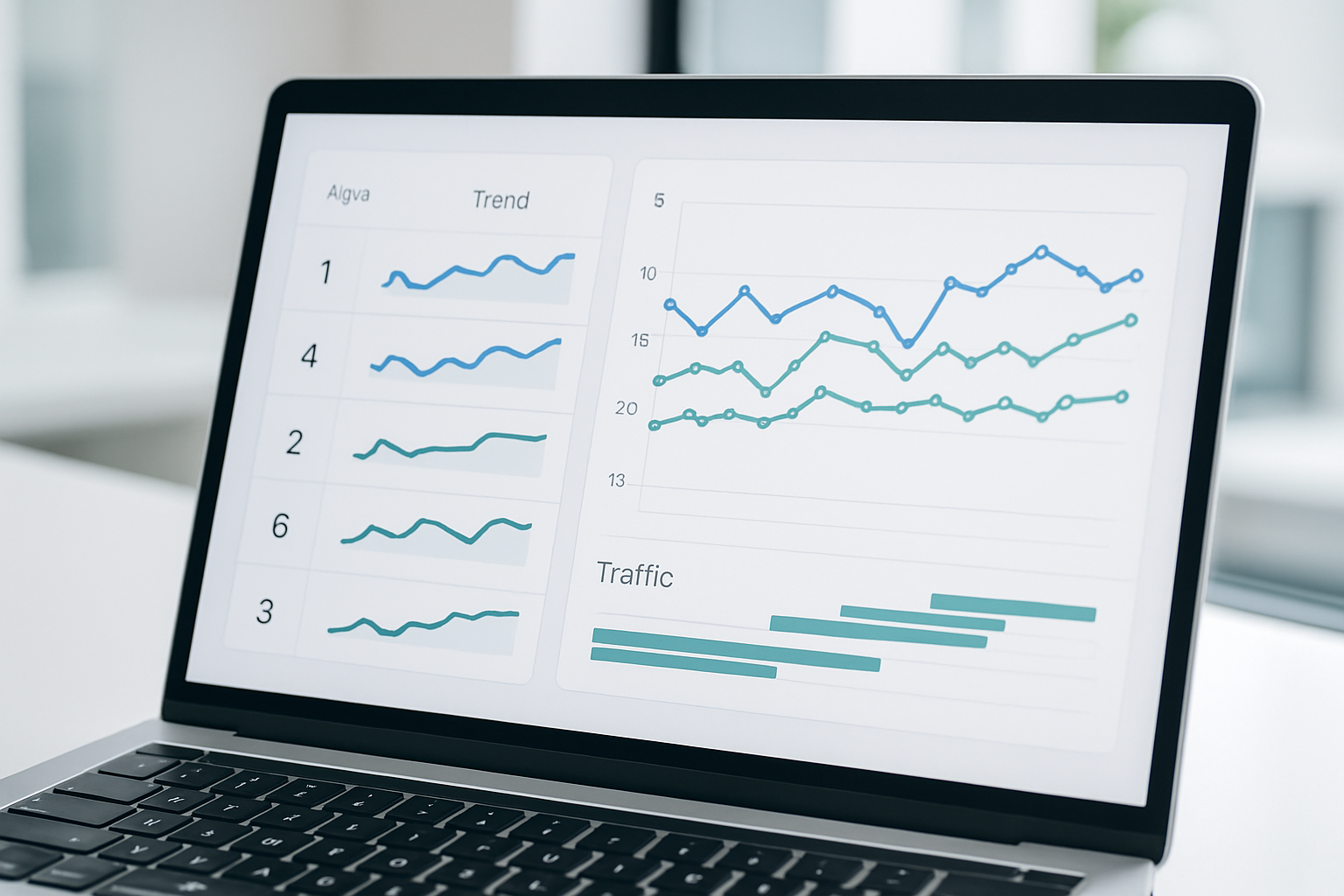
Studies show that the top-ranking result on Google receives approximately 27.6% of all clicks, while positions 2 through 10 receive progressively less traffic. Dropping even one or two positions can significantly impact your organic traffic and revenue. This is exactly why using a keyword tracking tool online is not optional for serious website owners — it is essential.
The best way to use keyword rank tracking is to combine it with content strategy, competitor analysis, and technical SEO improvements. When you know which keywords are rising and which are falling, you can act quickly and efficiently. This article walks you through everything you need to know about keyword tracking and how to do it right.
What Is a Keyword Tracking Tool Online?
A keyword tracking tool online is defined as a web-based application that records your website’s position in search engine results pages (SERPs) for a list of target keywords, then reports changes over time. These tools are cloud-based, meaning you access them through a browser without installing software. They typically update rankings daily, weekly, or on demand.
Rank tracking is different from keyword research. Keyword research helps you discover which terms to target, while rank tracking tells you how well you are performing for those terms after you have created content. Both functions are important, but many people confuse them or skip rank tracking entirely.
Most modern keyword tracking tools online also include features like local rank tracking, mobile versus desktop comparisons, SERP feature detection, and competitor ranking data. These additional layers of insight help you understand not just where you rank, but why and how to improve. Some platforms also integrate directly with Google Search Console for even deeper data.
Why Does Keyword Rank Tracking Matter for SEO Success?
Keyword rank tracking matters because SEO results are not instant, and without tracking, you cannot measure whether your efforts are working. According to research from Backlinko, the average page that ranks in the top 10 is more than two years old — meaning SEO is a long game that requires consistent monitoring. Tracking helps you stay patient with the right content while identifying underperformers that need attention.
Rank tracking also reveals opportunities. A keyword sitting in position 11 or 12 — just off the first page — might need a minor content update to jump into top 10 and start generating meaningful traffic. Without a keyword tracking tool online, you would never spot these near-miss opportunities. Identifying and acting on them is one of the highest-return activities in SEO.
Additionally, tracking protects you from algorithm updates. Google updates its algorithm thousands of times per year, and some of those updates can cause sudden ranking drops. If you are actively monitoring your positions, you will catch a drop within 24 to 48 hours and can begin diagnosing the cause immediately. Without tracking, you might not notice a problem until your traffic has already suffered significantly.
How Does a Keyword Tracking Tool Online Actually Work?
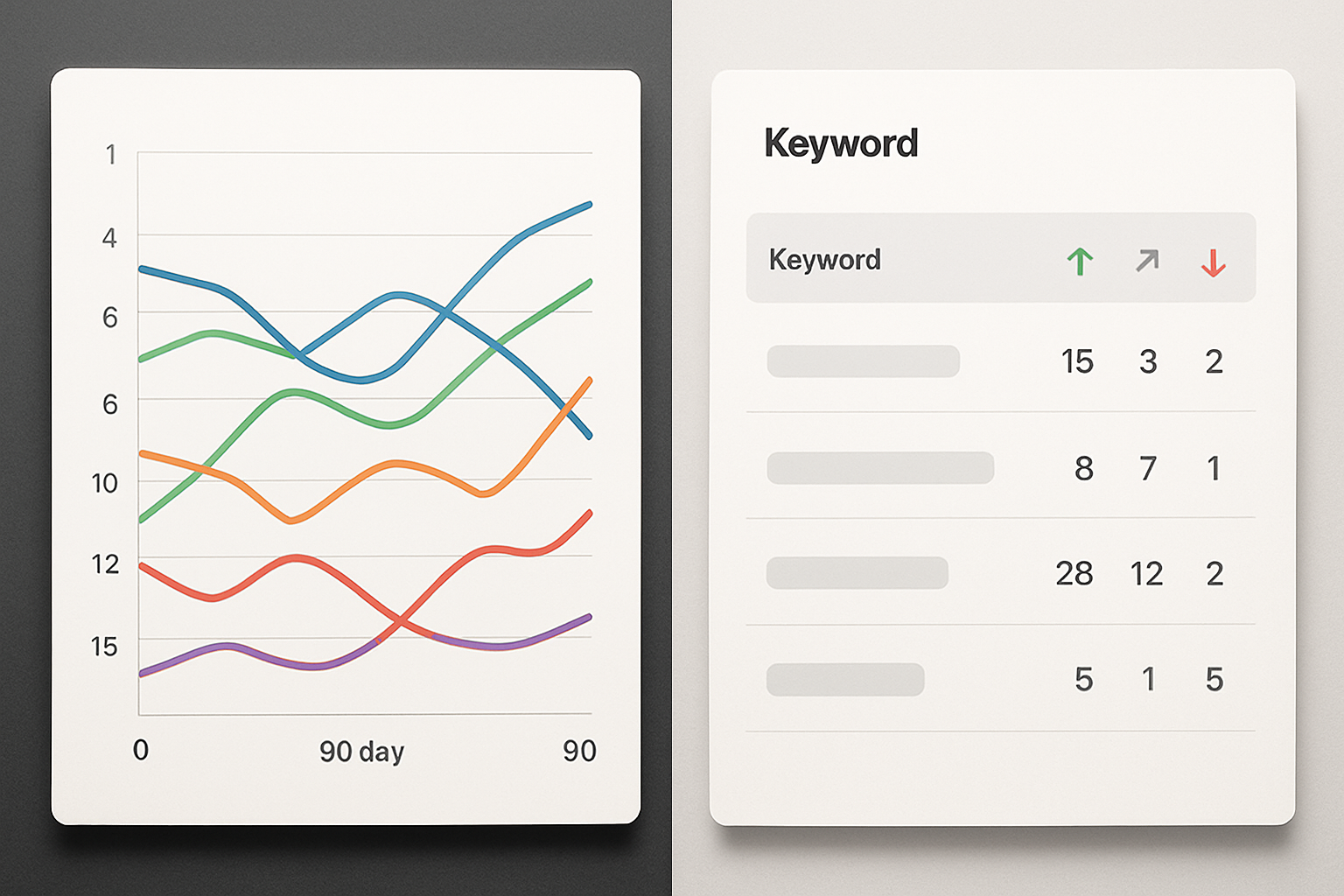
A keyword tracking tool online works by sending automated search queries to Google and other search engines, then recording the position of your target URL for each keyword. This process is called rank crawling, and most professional tools perform it from multiple geographic locations and device types to give you accurate, localized data. The results are then stored in a database and displayed as historical trend charts.
Search engine position tracking is defined as the practice of systematically recording and comparing a URL’s ranking position for a given keyword across multiple time points. This gives you a timeline of your SEO progress rather than just a snapshot. Seeing your trajectory is far more valuable than seeing only your current position.
Here is a simplified breakdown of how the process works step by step:
- You add your target keywords — including the exact phrases you want to rank for.
- You specify your target location — country, state, or city for local tracking.
- The tool queries search engines — simulating real searches for each keyword.
- Results are recorded — your URL’s position is logged in the database.
- Data is displayed visually — rank history charts and alerts are generated for you.
Most tools also let you track competitor domains for the same keywords. This competitive tracking shows you when rivals are outpacing you on specific terms, giving you clear direction on where to invest more content or link-building effort.
What Features Should You Look for in an Online Keyword Tracker?
X is worth paying for when it delivers accurate data, a clean interface, and actionable insights — and that standard applies directly to keyword tracking tools. Not all tools are created equal, and some legacy platforms are slow, cluttered, and expensive without delivering meaningful improvements over time. Here is what to prioritize when evaluating your options.
Accuracy and Update Frequency
Accurate rank data is the foundation of any tracking tool’s value. If the tool reports your position incorrectly — due to caching, geo-targeting errors, or device mismatches — every decision you make based on that data will be flawed. Look for tools that pull fresh data at least daily and that clarify whether they are tracking desktop, mobile, or both.
Update frequency matters especially during and after algorithm updates. A tool that refreshes rankings weekly might miss a short-term fluctuation that stabilizes before the next update, or it might report a false drop that had already recovered. Daily or on-demand tracking gives you a more accurate picture of reality.
Local and Mobile Rank Tracking
Local rank tracking is defined as the process of monitoring search engine positions for specific geographic locations, such as a city, ZIP code, or region, rather than at a national level. This is critical for businesses that serve local customers — a plumber in Chicago needs to know their position in Chicago, not across the entire United States. Many traditional SEO tools treat local tracking as an add-on rather than a core feature.
Mobile tracking is equally important in today’s environment. Google uses mobile-first indexing, meaning your mobile rankings directly affect your organic performance. A good keyword tracking tool online will show you separate rankings for mobile and desktop so you can spot discrepancies and act on them.
SERP Feature Tracking and Visibility Scores
Modern search results pages include far more than just 10 blue links. Featured snippets, local packs, image carousels, video results, and People Also Ask boxes all capture significant traffic. A strong tracking tool will tell you when your keywords trigger these features and whether you currently appear in them.
Visibility scores aggregate your rankings across all tracked keywords into a single metric that reflects your overall SEO health. This makes it easier to measure progress at a glance rather than reviewing dozens of individual keyword positions. It also makes reporting to clients or stakeholders much simpler and more impactful.
How Can You Use Keyword Tracking Data to Improve Your SEO?
Keyword tracking data is most powerful when you act on it systematically. Simply watching numbers go up and down is passive — the goal is to turn rank changes into clear action items. Here are the most effective ways to use your tracking data strategically.
Identify Quick-Win Opportunities
Keywords ranking between positions 4 and 15 are prime candidates for quick-win optimization. These pages are already indexed and performing reasonably well, so they need only incremental improvements to jump significantly in the rankings. According to industry studies, improving a page from position 8 to position 3 can increase its traffic by over 300%.
To optimize these pages, start by refreshing the content to make it more comprehensive and current. Add internal links from high-authority pages on your site, strengthen the title tag, and make sure your target keyword appears naturally in the first 100 words. For more structured guidance, explore these proven SEO strategies that drive real ranking improvements.
Diagnose and Recover from Ranking Drops
When your tracking tool alerts you to a significant drop in rankings, your first step is to determine whether it is isolated to one page or widespread across your site. A site-wide drop often points to a technical issue or algorithm update, while a single-page drop is more likely a content quality issue or a competitor’s content improvement. Tracking data narrows your diagnosis immediately.
Once you identify the affected pages, compare your content to what is currently ranking. Look for gaps in depth, freshness, and relevance. Then make targeted improvements and monitor whether rankings recover over the following two to four weeks.
Track the Impact of Your Content Efforts
Every time you publish a new article or update existing content, your keyword tracking tool tells you exactly how search engines respond. You can see a keyword move from “not ranked” to position 45 within days of publishing, then gradually climb into the top 10 over weeks or months. This feedback loop is incredibly motivating and informative.
If you are producing content at scale, an SEO content generator can help you publish more frequently without sacrificing quality. Pairing fast content production with diligent rank tracking means you can test, learn, and scale what works. This data-driven approach separates top-performing sites from those that rely on guesswork.
Who Needs a Keyword Tracking Tool Online?
X is useful to virtually any website owner who wants to grow organic traffic — from solo bloggers to enterprise marketing teams. The scale and complexity of your tracking needs will vary, but the fundamental need for rank data is universal. Here is how different types of users benefit from tracking tools.
- Small business owners — Monitor local search visibility and compete effectively in their geographic market.
- Bloggers and content creators — Track which articles are gaining traction and which need refreshing.
- SEO agencies — Report ranking progress to clients with clear, visual trend data.
- E-commerce sites — Track product and category page rankings for high-intent buying keywords.
- Marketing teams — Align content strategy with real-world search performance data.
If you are just starting out, understanding keyword tracking is one of the most valuable early lessons in SEO. For foundational knowledge, this guide to SEO tips for beginners covers how to start ranking your website on Google. Once you understand the basics, a keyword tracking tool online becomes even more powerful because you know how to interpret and act on what you see.
How Do Modern Keyword Tracking Tools Compare to Legacy Platforms?
Traditional SEO tools were often built for enterprise clients with massive budgets and large technical teams. They were powerful but complex, expensive, and overwhelming for small business owners or independent creators. Many of these legacy platforms charge hundreds of dollars per month and require significant onboarding time before delivering useful insights.
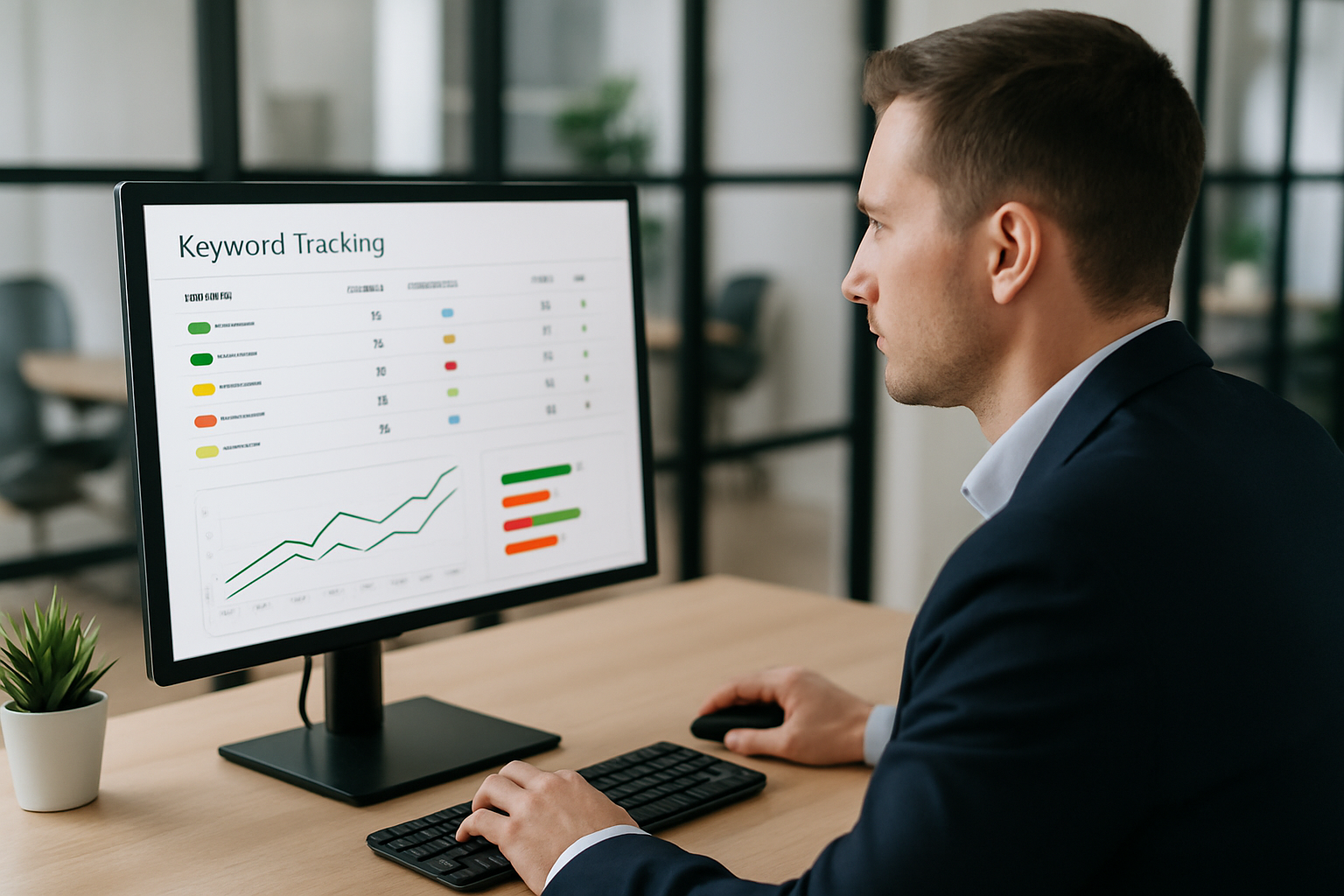
Modern keyword tracking tools online are designed differently. They prioritize clean interfaces, fast setup, affordable pricing tiers, and actionable recommendations rather than raw data dumps. The best modern platforms get you tracking keywords within minutes of signing up, with no technical expertise required.
According to a 2025 survey of small business SEO users, 68% reported that complexity and cost were the primary barriers to consistent rank tracking. Modern tools address both of these barriers directly by simplifying the experience without reducing the depth of data available to power users. This democratization of SEO data is one of the most positive shifts in the industry over the past several years.
What Makes RankBloom SEO Stand Out as a Keyword Tracking Solution?
RankBloom SEO is built specifically to give website owners — regardless of their technical background — the clear, actionable rank data they need to grow. The platform combines a keyword tracking tool online with content optimization, competitor analysis, and performance reporting in a single, affordable interface. There is no steep learning curve and no bloated feature set you will never use.
RankBloom SEO tracks daily keyword rankings across Google, monitors local search positions, and surfaces quick-win opportunities automatically. The platform is designed for small business owners, agencies, and content creators who want professional-grade SEO insights without the enterprise price tag. If you are looking for the best SEO software for small business that drives real growth, RankBloom SEO is built exactly for that purpose.
—
Frequently Asked Questions
What is a keyword tracking tool online and how does it work?
A keyword tracking tool online is a web-based application that monitors your website’s position in search engine results for specific keywords and reports changes over time. It works by automatically querying search engines on a schedule and recording your URL’s ranking position for each target term.
How often should I check my keyword rankings?
Most SEO professionals recommend reviewing keyword rankings at least weekly, though daily monitoring is ideal during active campaigns or after publishing new content. Checking too frequently — multiple times per day — can cause unnecessary alarm over normal short-term fluctuations.
Can a keyword tracking tool help me recover from a Google algorithm update?
Yes — rank tracking alerts you to sudden position drops within 24 to 48 hours of an algorithm update, allowing you to quickly identify affected pages and begin diagnosing the cause. Without tracking, you might not notice a significant drop until your organic traffic has already declined substantially.
Is keyword tracking useful for local businesses?
Absolutely — local keyword tracking allows businesses to monitor their search rankings within specific cities, regions, or ZIP codes, which is far more relevant than national rankings for location-based services. A local business appearing in the top three results for city-specific searches captures the majority of local search traffic.
How many keywords should I track?
For most small businesses and blogs, tracking 30 to 100 keywords provides enough data to be meaningful without becoming overwhelming. Prioritize high-intent keywords directly related to your products or services, plus a mix of informational terms that support your broader content strategy.
Start Tracking and Start Growing
A keyword tracking tool online is not just a reporting feature — it is the feedback mechanism that makes your entire SEO strategy smarter and more responsive. Without it, you are investing time and money into content creation and optimization without knowing what is working. With it, every decision you make is grounded in real data.
The tools and strategies covered in this article apply whether you are a beginner building your first website or an experienced marketer managing a portfolio of sites. The core principle is the same: measure your positions, understand the trends, and act on what the data tells you. Consistent tracking leads to consistent improvement.
If you are ready to take your SEO seriously, RankBloom SEO gives you everything you need to track rankings, identify opportunities, and grow organic traffic — without the complexity or cost of bloated legacy platforms. Start using a smarter keyword tracking tool online today and see exactly where your site stands, where it is headed, and what you need to do next.